


 MENU
MENU SEARCHMENUSEARCH
Loading data...
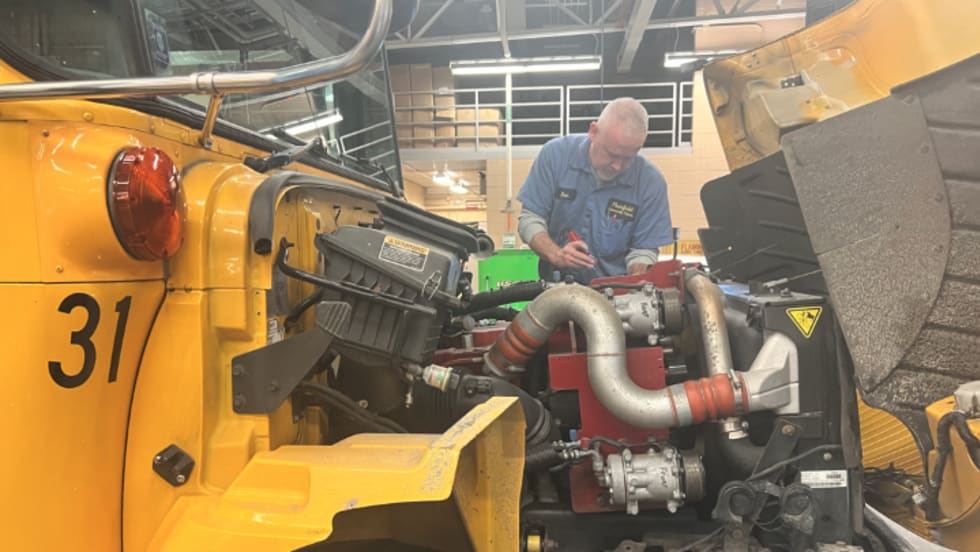
Strategies for fleets, small and large, to attract and retain talent to work on school buses.
Read More →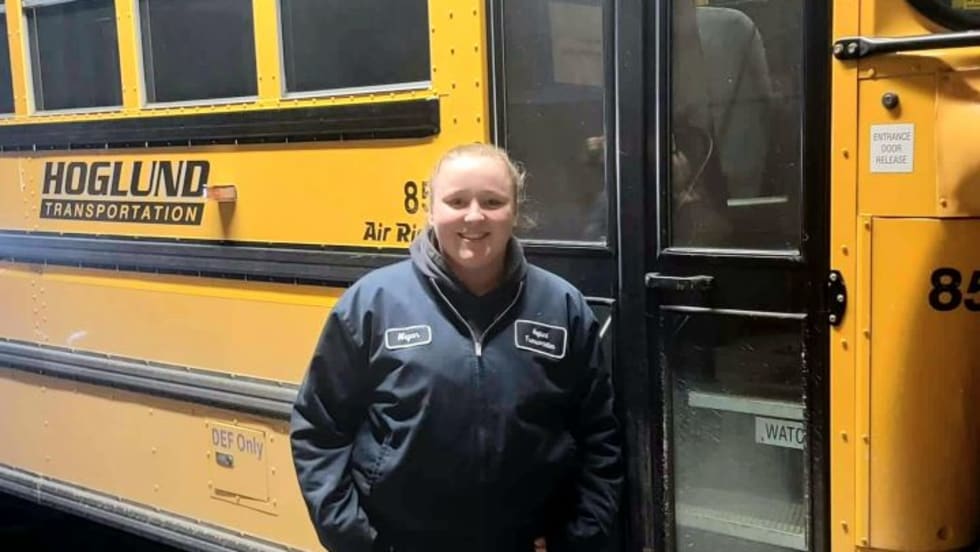

Women make their mark in school bus maintenance shops throughout the United States.
Read More →School-Radio can reach virtually anywhere service is needed, utilizing cellular infrastructure. It comes at a fixed budget point, which includes the device, service and maintenance cost.
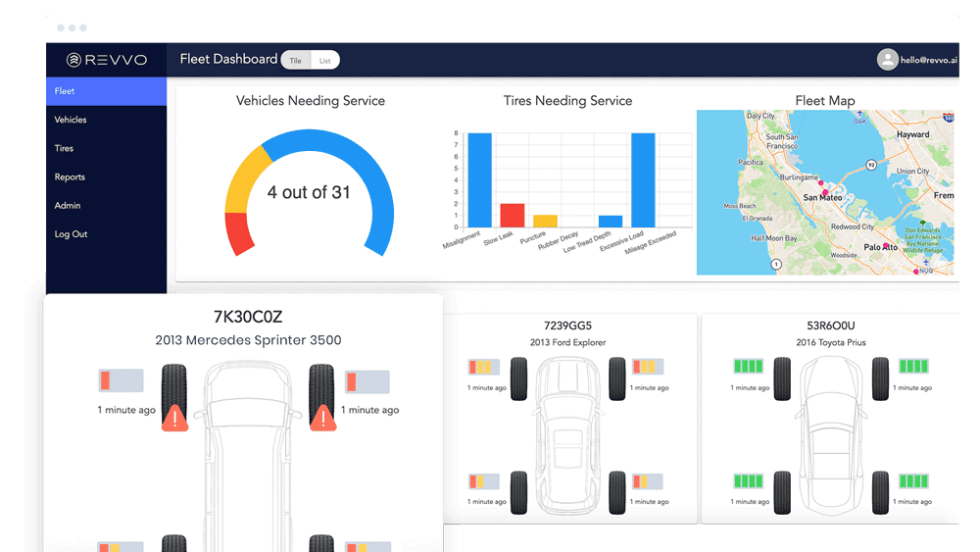
Read More →Telematics solutions allow for predictive maintenance and provide opportunities for data analysis so that fleet managers can spot trends, inform purchasing decisions, or decide when the time’s right to purchase a new school bus.
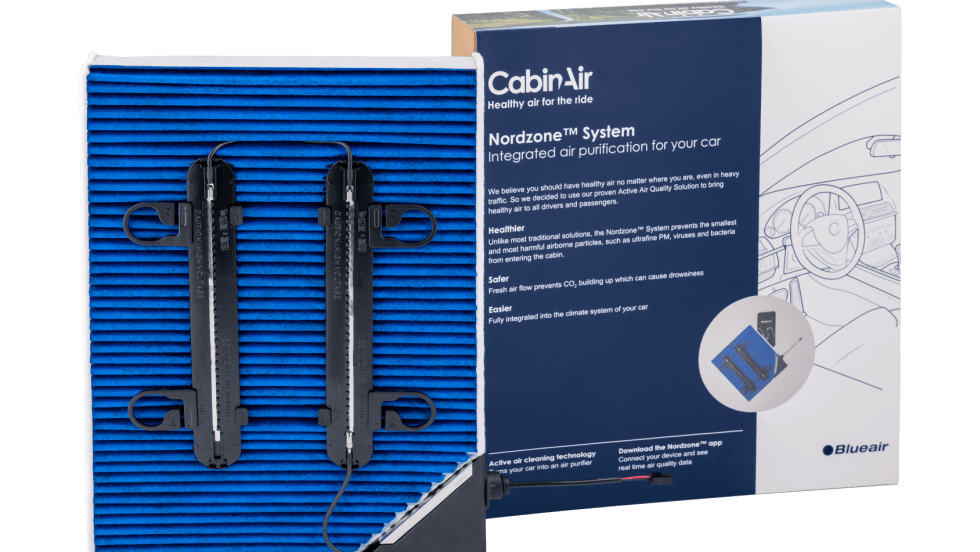
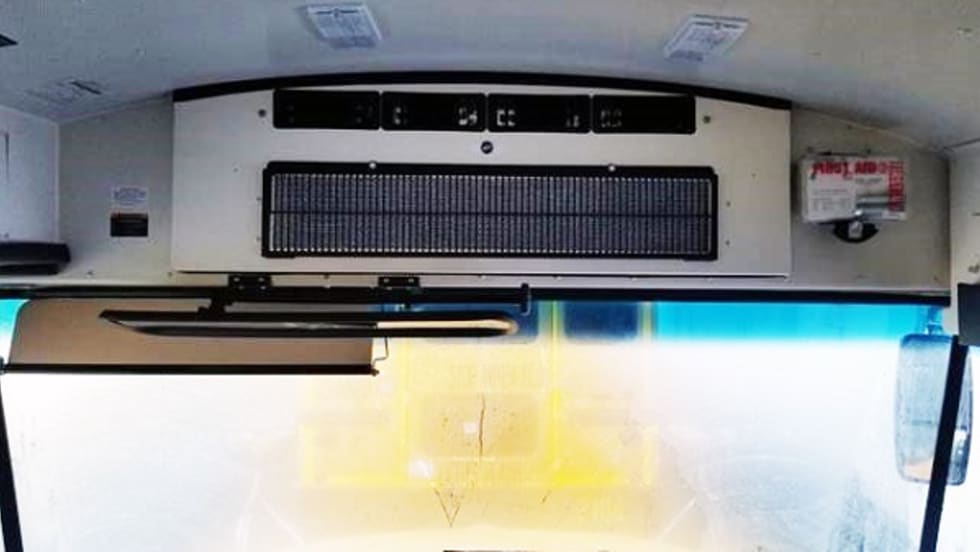
Read More →The product removes up to 99 % of harmful particles in a single pass, keeping in-cabin air quality within WHO-recommended levels throughout the ride.
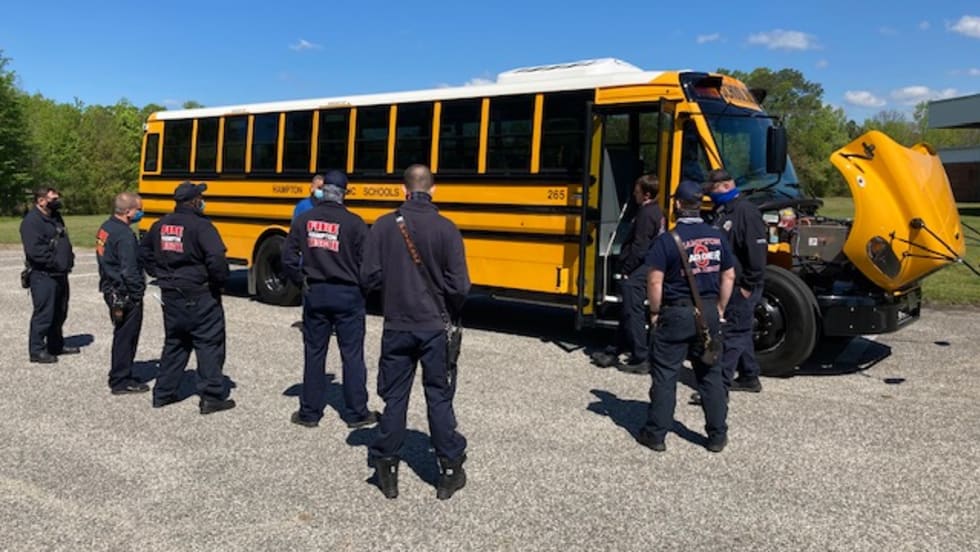
Read More →From dealing with a new electric powertrain and battery technology to different maintenance and safety requirements, the proper training can help ensure a successful emergency response.
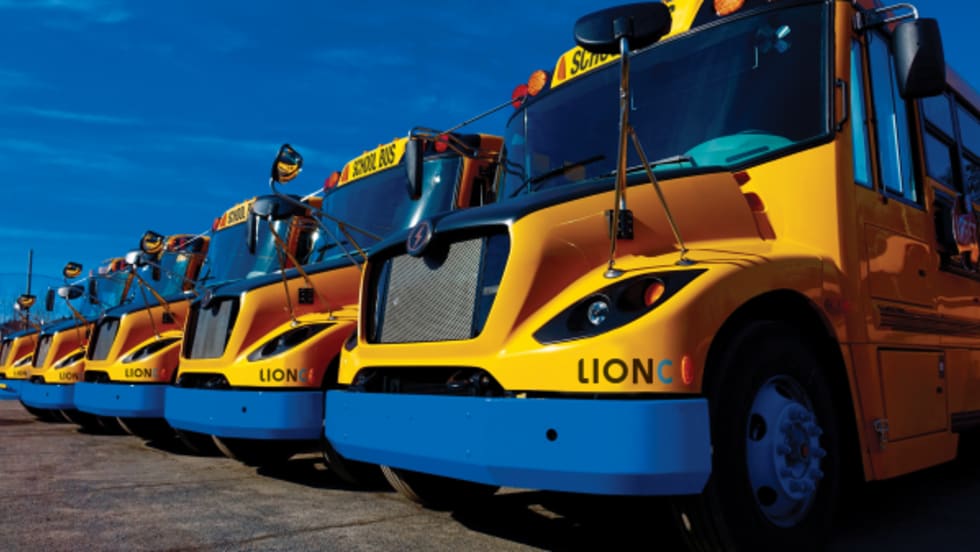
Read More →Differences between electric and internal combustion engine buses also apply to heating and cooling. Choosing the appropriate compressor and communications protocol, determining the heating method, and knowing battery pack voltage are crucial.
Read More →Some components under the hood, such as hoses and coolant, are the same. Key differences include the need to disable batteries during repairs, a noise generator, and significantly fewer parts in an electric motor.
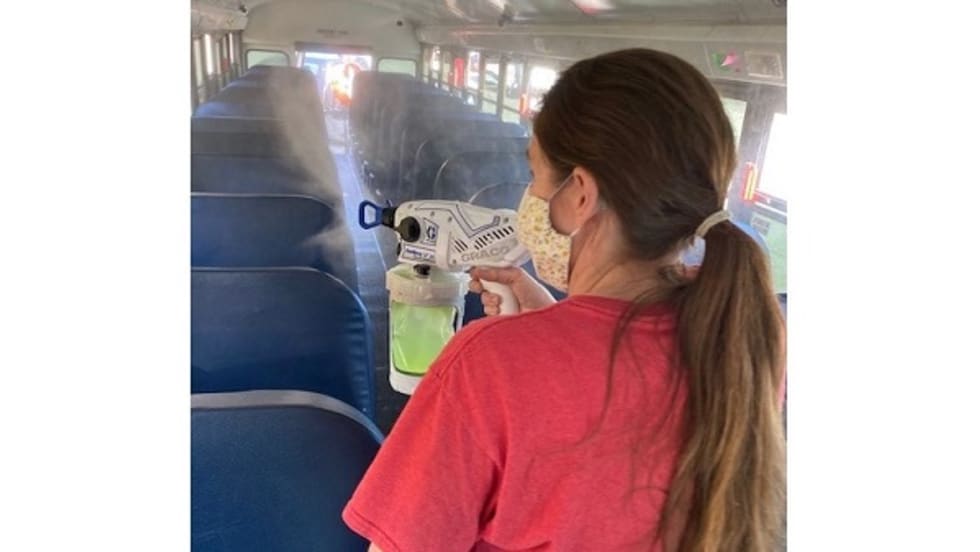
Read More →Hall County Schools is employing a three-step process to clean and disinfect its buses with products from Zep Corp.
Read More →The company’s longtime dealer and equipment installer, TransArtcic, will be stocking its HVAC systems at an installation facility in Tulsa.
Read More →