
 MENU
 SEARCHMENUSEARCH
Loading data...

The propane industry recently launched the latest version of a fleet cost calculator designed to help fleet managers make a business case for operating propane-powered vehicles.
Read More →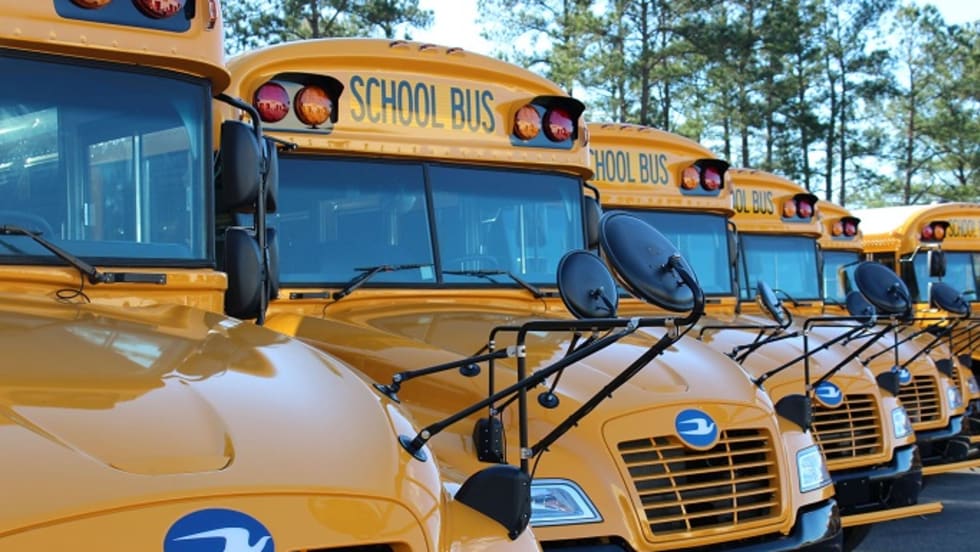

Dallas County Schools is among the school systems in the state running buses on the fuel, and it reportedly saves about $500,000 annually with the $0.50-per-gallon tax credit. Officials from the Propane Council of Texas say that with the recent extension of alternative-fuel tax credits, districts will be able to save more money this year.
Read More →Henry County Schools' Blue Bird Vision propane buses are expected to emit 500 fewer pounds of particulate matter per year and about 19,000 fewer pounds of nitrogen oxide than the diesel buses they replaced.
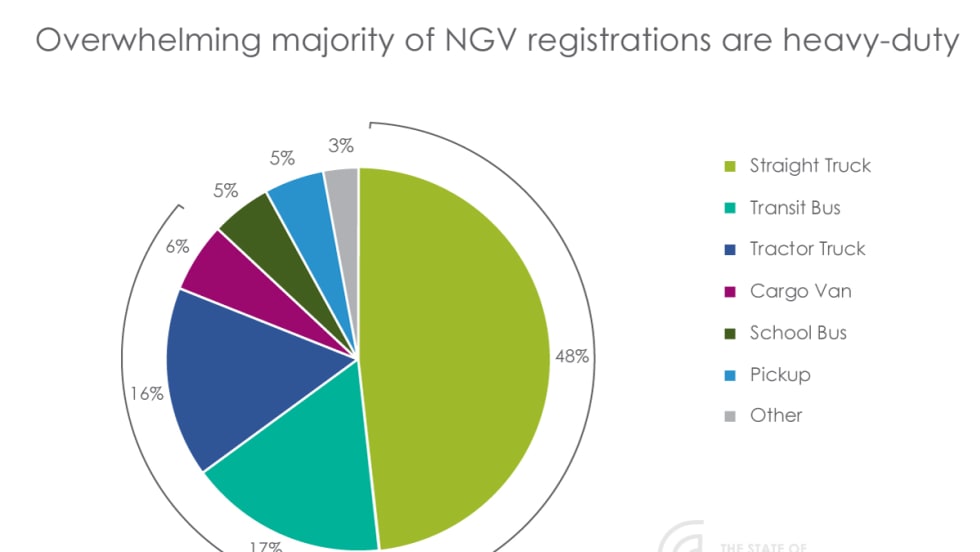
Read More →While diesel and gasoline engines will still be the main power source for commercial vehicles for the next decade, fleets are now testing and buying sustainable vehicle technologies in record numbers. That’s according to a new study of fleet use of sustainable vehicle platforms for medium- and heavy-duty fleets, such as natural gas, propane, electric, and renewable fuels.
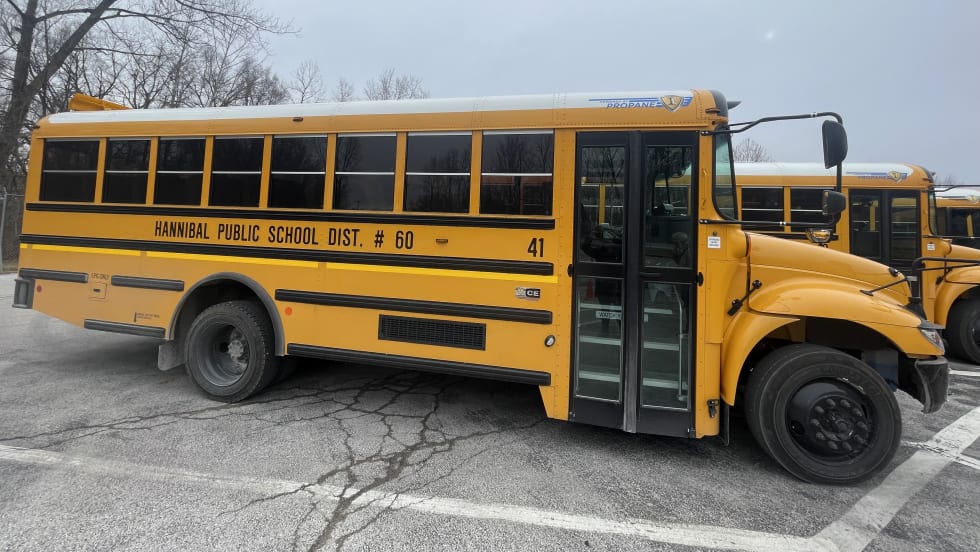
Read More →The federal Clean School Bus Program and the state's Propane Education & Research Council are making it possible for Hannibal Public School District No. 60 to steer toward a fully propane-fueled fleet.
Read More →Gavin Hale previously worked at Deutz Corporation, Power Solutions International, and Caterpillar Machine Engines.
Read More →Fleets in Michigan, Ohio, Washington, Oregon, and Hawaii can now qualify for the rebates until Dec. 31.
Read More →Pupil transporters in Colorado, Georgia, and Illinois share the financial benefits of adding propane buses to their fleets — including reduced costs on oil and filter changes and minimal cold-weather starts.
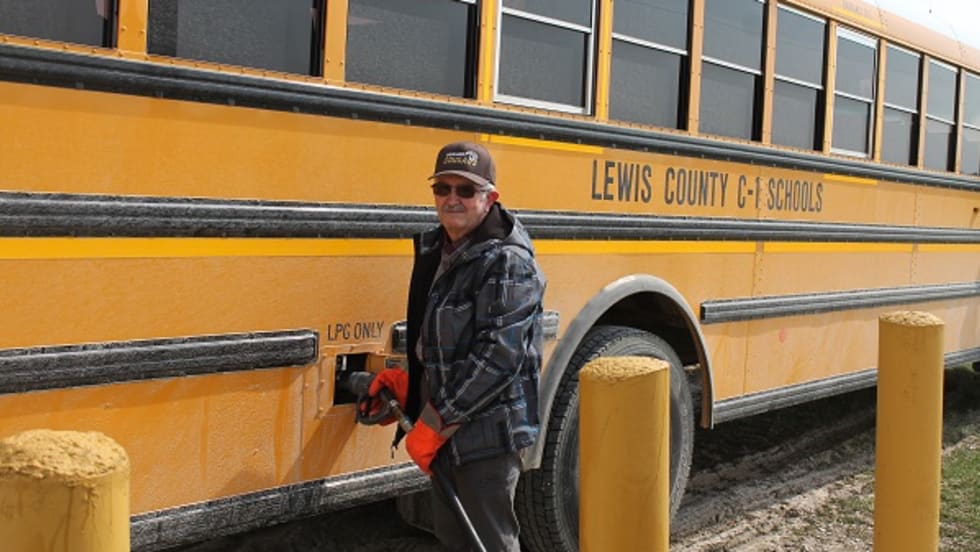
Read More →Lewis County C-1 School District receives a portion of the state’s Volkswagen settlement funds and rebates to purchase the 2022 IC Bus propane buses.
Read More →There’s clearly still a lot of room for growth in alternative fuel use. Fortunately, the vehicle options for pupil transportation operations continue to grow.
Read More →