




Zonar bolsters Washington state school bus inspections
Inspections are now done electronically and stored in a database, allowing the Washington State Patrol and Office of Superintendent of Public Instruction to query the data and develop targeted training programs in response to maintenance problems....

SEATTLE — With National School Bus Safety Week around the corner, the Washington State Patrol (WSP), the Office of Superintendent of Public Instruction (OSPI) and Zonar Systems have announced the results of a public-private partnership to enhance the safety of schoolchildren.
Zonar has provided WSP and OSPI with a technology solution to improve the effectiveness and efficiency of the state’s school bus inspection program. According to the organizations, the technology has eliminated unnecessary paperwork and has provided an electronic database of school bus inspection information that will be used to conduct analyses on a local, regional and statewide basis not previously possible with a paper-based system.
Over the last year, each team of WSP school bus inspectors was provided with a handheld RFID reader that contains the software developed for recording a complete inspection. Every school bus was supplied with an electronic asset tag (or RFID tag) that accesses all information relevant to that bus.
The handheld device electronically reads the RFID data on the school bus asset tag, and a routine inspection is then performed. Each team of inspectors is equipped with an electronic upload system that meets the communication requirements for their geographic area. The inspectors upload the electronic inspection to a central database via cellular connection or a hardwire connection to an Internet-enabled computer.
This year, there were 13,083 total school bus inspections (winter and summer). Of those, there were only two that “failed,” which means the inspections did not go into the database for some reason and needed to be resubmitted. The percentage of failed inspections was 0.02 percent.
The organizations said in a statement that “a success rate of 99.98 percent of entering electronic inspections on a new system is incredible and speaks volumes about the training, equipment and effort put forth in this new program.”
Having the inspections done electronically and stored in a database gives WSP and OSPI the ability to query the school bus inspection data, and it will allow targeted training programs to be developed in response to maintenance problems at state and district levels, resulting in a reduction of out-of-service rates and allowing school district analysis of maintenance trends.
“Providing consistent and uniform inspections will enhance the partnership between WSP and OSPI, school districts and industry professionals,” the organizations said. “The overall result will be to build on the national recognition WSP has received for its partnership with OSPI in maintaining an outstanding school bus inspection program.”
The program will be presented in a demonstration and question/answer period on Oct. 19 at 10 a.m. to kick off National School Bus Safety Week. The event will take place at Zonar Systems’ headquarters, 18200 Cascade Ave. S., Ste. 200, Seattle, WA 98188.
More Safety
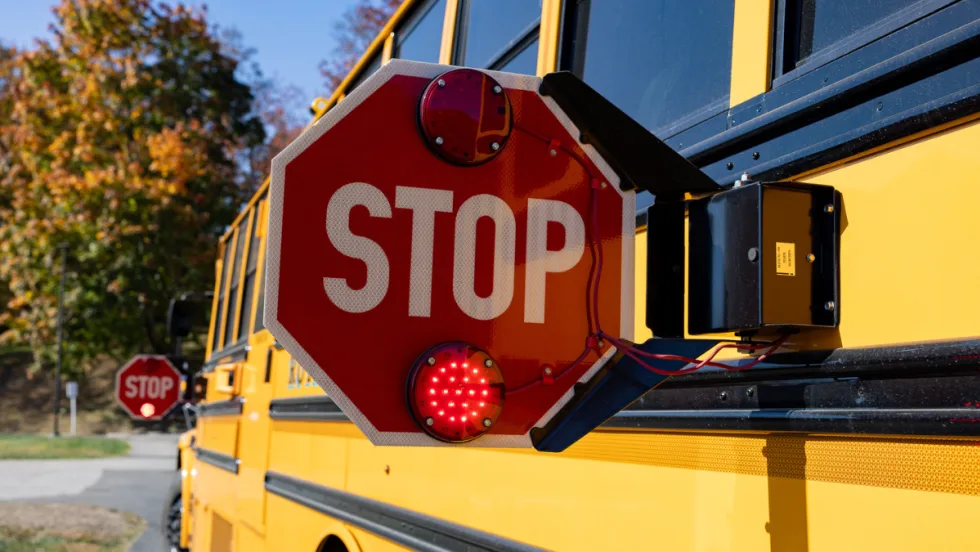
Illegal School Bus Passing Drops 24% in New York Districts
With fewer than 5% of citations involving repeat offenders, Westchester County officials said enforcement, education, and community partnerships are helping change driver behavior.
Read More →
School's Back. Here's What Happened to Traffic, Speeding & Distraction
What happens to traffic when school resumes? New data analysis examines changes in distracted driving, congestion, and speeding around schools.
Read More →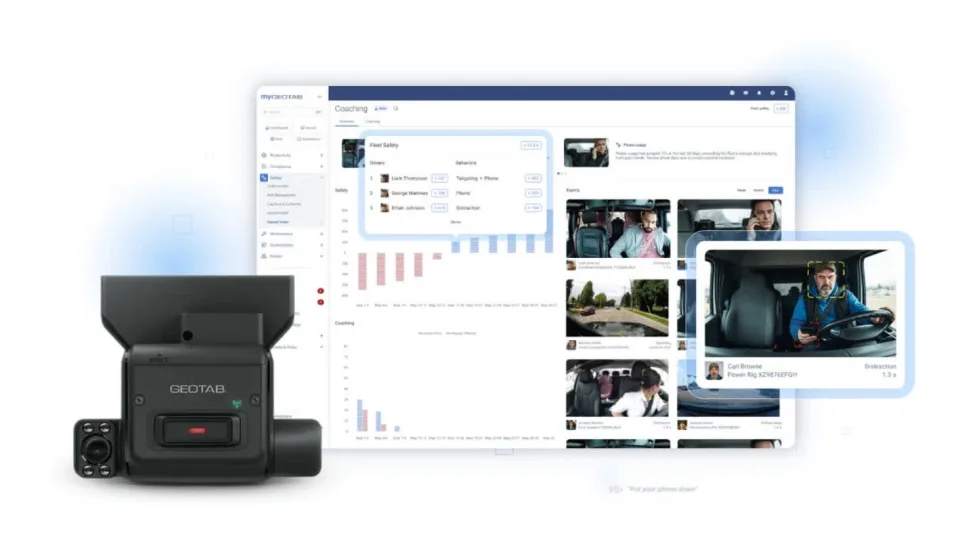
Geotab Expands Fleet Safety Tools With Video Coaching, Risk Insights
New safety and video capabilities aim to help fleet managers assess risk, support drivers, and take targeted action through video coaching, red-light violation detection, and more.
Read More →

How to Build a Better School Bus Driver Training Program
Is it time to strengthen your driver training? Here’s how to pick the right talent and improve recruitment, retention, and safety. This video is brought to you by IC Bus.
Read More →
Recent School Bus Accidents Leave 2 Dead, 2 Injured
Four school bus crashes in Florida, Illinois, and Georgia highlight risks in transportation lots, at bus stops, and during student loading and unloading.
Read More →
When Every Second Matters, Clarity Keeps Routes Moving
From routine delays to urgent incidents, strong communication practices help drivers, dispatchers, schools, and families respond with confidence.
Read More →
What Happens When a School Bus Catches Fire — and What Can Help
School bus fires are rare but can be devastating. Learn how advances in fire suppression and asset protection help fleets detect fires earlier, reduce damage, and improve safety.
Read More →
Geotab Launches Tool to Help Fleets Investigate Road Incidents
Geotab Investigations combines telematics data, video, documents, and other evidence to help fleets reconstruct incidents, resolve claims, and determine what happened.
Read More →
Texas Sixth Grader Wins 2026 National School Bus Safety Poster Contest
Sai Darshana Yekolu of Moseley Middle School in Prosper, Texas, was named the newest winner for her artwork, bringing the theme of “Safe Rides, Everyday Heroes” to life.
Read More →
Doing More With Less: How Transportation Directors Can Prioritize Safety Amid Budget Uncertainty
With diesel prices soaring and nearly one-third of transportation directors expecting budget cuts, maintaining student safety has never been more challenging. Download this guide to learn how leading districts are prioritizing risk, funding critical safety technology, and building stronger budget cases with data.
Read More →