





Check Out: School Transportation and the Legalization of Marijuana
White House Pushes to Reclassify Marijuana
What would marijuana's federal reclassification mean for school bus driver testing and regulations? Here's what we know so far after Trump's December executive order to push the change through.
January 7, 2026
Until further notice, it's still business as usual regarding federal laws, enforcement, and DOT drug testing. We await a formal DEA hearing and briefing schedule on the proposed change.
Photo: School Bus Fleet
3 min to read
Last month on Dec. 18, President Trump issued an executive order to the Department of Justice directing them to change marijuana from a Schedule 1 drug to Schedule 3 under the
Controlled Substances Act (of note: the former category also includes heroin).
The National Association of State Directors of Pupil Transportation Services (NASDPTS) said that it has had inquiries about what impact this order would have on the Department of Transportation’s longstanding regulation about the use of marijuana by safety‐sensitive transportation employees, which includes school bus drivers.
For now, nothing has changed. Marijuana remains a Schedule I drug, and the DOT's drug testing process is the same, until any rescheduling is complete. The guidance on
and
and
are still in effect, too.
What Marijuana Reclassification Would Mean if It Passes
For consumers, not much would change if marijuana is reclassified. It would still remain federally illegal, but formally recognize its medical value.
For commercial drivers, how recategorizing marijuana as a Class III drug would affect the DOT’s drug-testing regulations for safety-sensitive jobs such as truck driving isn’t yet clear. As Heavy-Duty Trucking notes:
Marijuana would still be illegal in multiple states. The change in classification would not automatically change state laws. Most states, even those with legal medical marijuana, would need to make changes to align with Schedule III restrictions.
Changing the drug-testing regulations would require additional rulemakings from both the Department of Health and Human Services and the Department of Transportation.
There is no current standard roadside test for cannabis impairment, which could be a hurdle.
The industry and employers could still have higher standards.
"It remains unacceptable for any safety‐sensitive employee subject to drug testing under the Department of Transportation’s drug testing regulations to use marijuana,"
. "There are no changes to your roles and responsibilities as they relate to marijuana."
Background & Timeline
In 2022, President Joe Biden asked the U.S. Department of Health and Human Services (HHS) and the Drug Enforcement Administration (DEA) to review how marijuana is scheduled under the Controlled Substances Act (CSA). A year later, they recommended that marijuana be moved from Schedule I to Schedule III based on HHS’ scientific and medical evaluation. In 2024, the DEA proposed a rule that would transfer marijuana to Schedule III.
So, why hasn't it happened yet? Well, not surprisingly, there are a lot of passionate arguments on both sides of the issue. According to sources online, the DEA received over 42,000 public comments on its proposal.
The rulemaking process is ongoing and awaiting a hearing (one that was supposed to happen a year ago, before the administrative law judge postponed it while an appeal by an involved party is resolved). Trump's new order seeks to expedite the process.
As of Jan. 5., the DEA still had not set a new briefing schedule.
Why the Change?
The primary reason for reclassifying the drug looks to be for medical reasons. As Moritz Law explains, it could become easier for researchers to study marijuana, with less burdensome requirements compared to Schedule I substances, and it may open up more treatment options to certain individuals.
Trump's order even notes that "The federal government’s long delay in recognizing the medical use of marijuana does not serve the Americans who report health benefits from the medical use of marijuana to ease chronic pain and other various medically recognized ailments... It is the policy of my administration to increase medical marijuana and CBD research to better inform patients and doctors."
More Safety
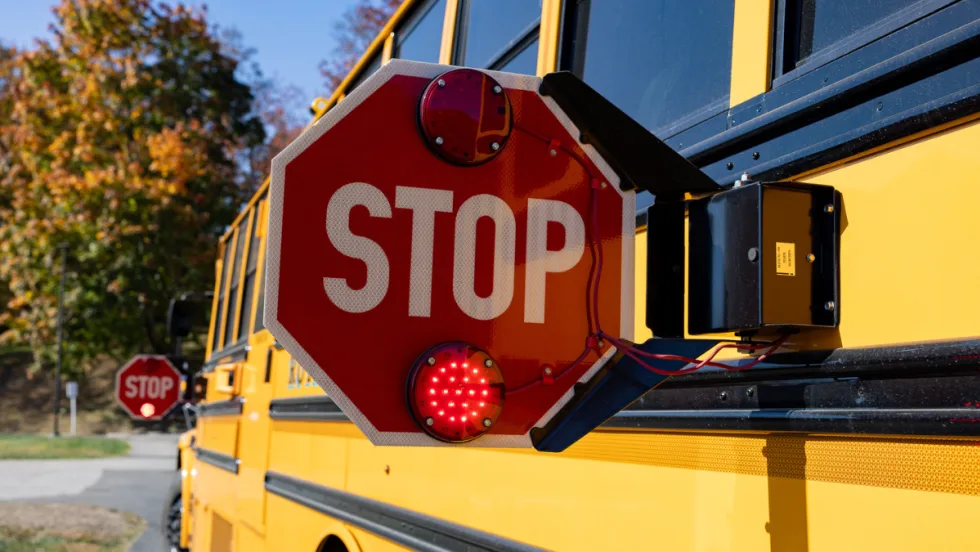
Illegal School Bus Passing Drops 24% in New York Districts
With fewer than 5% of citations involving repeat offenders, Westchester County officials said enforcement, education, and community partnerships are helping change driver behavior.
Read More →
School's Back. Here's What Happened to Traffic, Speeding & Distraction
What happens to traffic when school resumes? New data analysis examines changes in distracted driving, congestion, and speeding around schools.
Read More →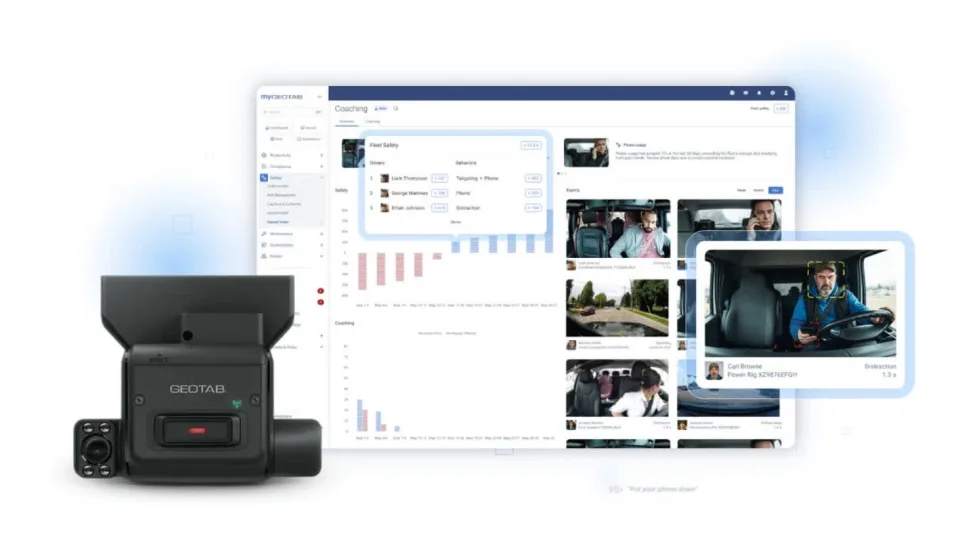
Geotab Expands Fleet Safety Tools With Video Coaching, Risk Insights
New safety and video capabilities aim to help fleet managers assess risk, support drivers, and take targeted action through video coaching, red-light violation detection, and more.
Read More →

How to Build a Better School Bus Driver Training Program
Is it time to strengthen your driver training? Here’s how to pick the right talent and improve recruitment, retention, and safety. This video is brought to you by IC Bus.
Read More →
Recent School Bus Accidents Leave 2 Dead, 2 Injured
Four school bus crashes in Florida, Illinois, and Georgia highlight risks in transportation lots, at bus stops, and during student loading and unloading.
Read More →
Sponsored•September 8, 2026
When Every Second Matters, Clarity Keeps Routes Moving
From routine delays to urgent incidents, strong communication practices help drivers, dispatchers, schools, and families respond with confidence.
Read More →
What Happens When a School Bus Catches Fire — and What Can Help
School bus fires are rare but can be devastating. Learn how advances in fire suppression and asset protection help fleets detect fires earlier, reduce damage, and improve safety.
Read More →
Geotab Launches Tool to Help Fleets Investigate Road Incidents
Geotab Investigations combines telematics data, video, documents, and other evidence to help fleets reconstruct incidents, resolve claims, and determine what happened.
Read More →
Texas Sixth Grader Wins 2026 National School Bus Safety Poster Contest
Sai Darshana Yekolu of Moseley Middle School in Prosper, Texas, was named the newest winner for her artwork, bringing the theme of “Safe Rides, Everyday Heroes” to life.
Read More →
Sponsored•August 27, 2026
Doing More With Less: How Transportation Directors Can Prioritize Safety Amid Budget Uncertainty
With diesel prices soaring and nearly one-third of transportation directors expecting budget cuts, maintaining student safety has never been more challenging. Download this guide to learn how leading districts are prioritizing risk, funding critical safety technology, and building stronger budget cases with data.
Read More →