





Keep Reading: What Does Marijuana Have to Do with Pupil Transportation?
NTSB Flags Concerns Over Proposed Marijuana Changes
The NTSB is concerned that the rescheduling of marijuana from Schedule I to Schedule III would prohibit federally required testing of safety-sensitive transportation employees, including school bus drivers.
July 26, 2024
The NTSB urged the DEA to “ensure that any final rule to reschedule marijuana does not compromise marijuana testing under DOT and HHS procedures applicable to safety-sensitive transportation employees.”
Photo: School Bus Fleet
2 min to read
The National Transportation Safety Board expressed concerns over a proposed rule by the Drug Enforcement Administration to move marijuana from Schedule I to Schedule III of the Controlled Substances Act.
The agency warned that the rule change could jeopardize federally required drug testing for those in safety-sensitive positions. That includes school bus drivers.
Warning Over Potential Testing Limitations
According to a news release, the NTSB is concerned that the proposed move would prohibit continued federally required testing of safety-sensitive transportation employees for marijuana use because laboratories certified by the U.S. Department of Health and Human Services for such testing are not authorized to test for Schedule III controlled substances.
The Omnibus Transportation Employee Testing Act of 1991 requires safety-sensitive employees to undergo drug and alcohol testing, according to the U.S. Department of Transportation.
The NTSB urged the DEA to “ensure that any final rule to reschedule marijuana does not compromise marijuana testing under DOT and HHS procedures applicable to safety-sensitive transportation employees.”
According to the NTSB, moving marijuana to Schedule III without taking steps to ensure that marijuana testing remains within the scope of pre-employment, random, reasonable suspicion, and post-accident drug testing would create a safety “blind spot.”
“Removal of marijuana testing from DOT and HHS drug testing panels for safety-sensitive transportation employees would remove a layer of safety oversight that employers have been managing for decades, and it would prevent DOT and HHS drug testing from acting as a deterrent to marijuana use by those employees,” the NTSB statement continued. “Additionally, the NTSB would no longer have DOT and federal workplace marijuana test results as evidence in our investigations.”
What About Medicinal Marijuana?
Until the process is complete, marijuana remains a Schedule I controlled substance. Even if the reclassification occurs, marijuana would be limited to prescriptions by doctors, School Bus Fleetpreviously reported.
However, because marijuana has no currently accepted medical use in treatment in the United States under federal law, a physician’s recommendation for the use of medical marijuana does not constitute a “legitimate medical explanation” for a positive DOT or federal workplace marijuana test result under 49 CFR Part 40 and HHS Mandatory Guidelines, the NTSB noted.
The NTSB is urging the DEA to 'scrutinize how its determination about marijuana' having a currently accepted medical use might affect a safety-sensitive transportation employee’s ability to present medical marijuana use as a legitimate medical explanation for a positive marijuana result on a drug test.
More Safety
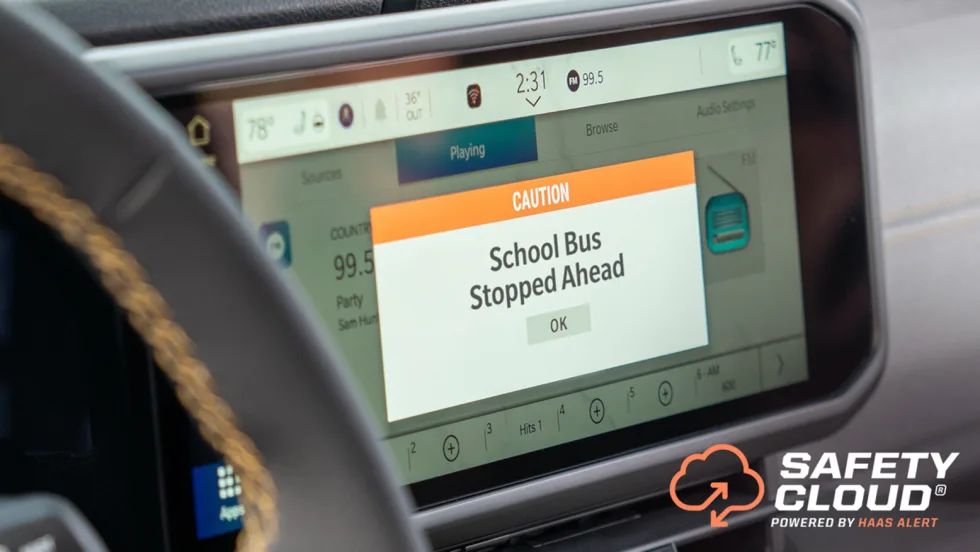
HAAS Alert’s Safety Cloud Warns Motorists of Stopped School Buses
Through a transponder or Samsara connection, the product lets school bus fleets send advance warnings to approaching drivers through in-vehicle alerts.
Read More →
HopSkipDrive Reports Progress on Safety Advisory Council
More than a year after forming the council, independent safety experts have helped shape new rider-safety features and policy progress, with a new goal to address rider behavior.
Read More →
What the 2026 National School Bus Safety Month Resolution Means for Student Transportation
The bipartisan resolution highlights illegal school bus passing, student safety during loading and unloading, and the need for driver training and public education.
Read More →
School Bus Stop-Arm Violations Decline 53% Across Verra Mobility Programs
Verra Mobility shares how school bus stop-arm cameras and school zone safety programs are changing driver behavior, reducing violations, and protecting students.
Read More →
Most Bus Crashes Aren’t Your Fault. Here’s How to Prove It.
A guide for what to do in between a school bus crash and a claim: what to preserve, who to notify, and how to keep the facts available when they matter.
Read More →
National School Bus Safety Week 2026: Tips, Toolkits & Resources to Keep Students Safe
School bus safety takes more than awareness. Explore expert tips, enforcement strategies, and free resources to help protect students on every ride.
Read More →
2 Killed, Dozens Injured in Florida School Bus Crash
A multi-vehicle collision caused a Polk County school bus carrying 37 students to overturn on its way to Winter Haven High School.
Read More →
Illegal School Bus Passing Drops 24% in New York Districts
With fewer than 5% of citations involving repeat offenders, Westchester County officials said enforcement, education, and community partnerships are helping change driver behavior.
Read More →
School's Back. Here's What Happened to Traffic, Speeding & Distraction
What happens to traffic when school resumes? New data analysis examines changes in distracted driving, congestion, and speeding around schools.
Read More →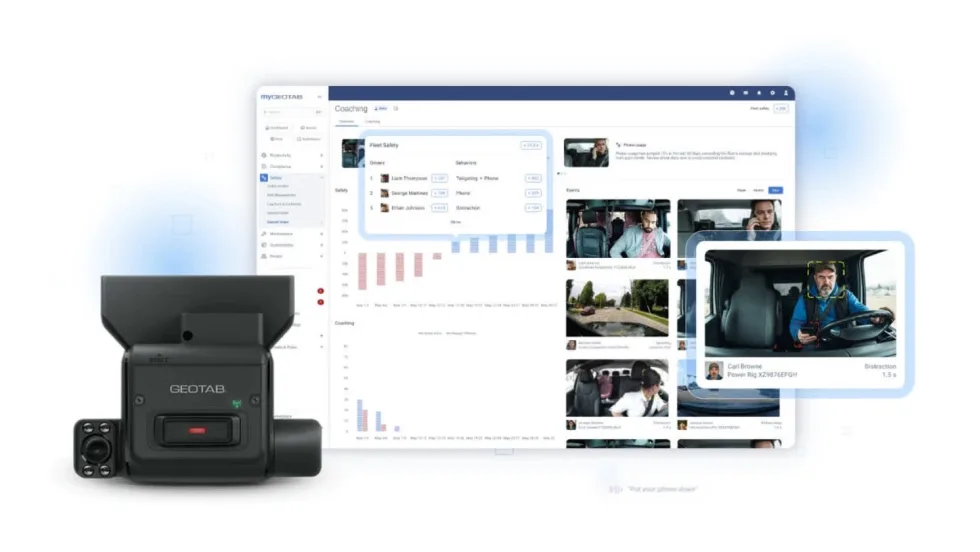
Geotab Expands Fleet Safety Tools With Video Coaching, Risk Insights
New safety and video capabilities aim to help fleet managers assess risk, support drivers, and take targeted action through video coaching, red-light violation detection, and more.
Read More →