




Tennessee Raises Minimum Age for School Bus Drivers, Boosts Oversight
Under a bill signed by the governor, new school bus drivers in Tennessee will have to be at least 25 years old. The bill also mandates state standards for driver and manager training.

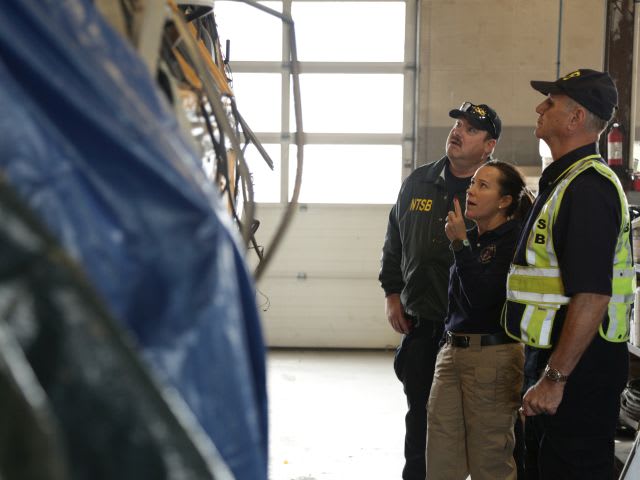
A newly enacted bill in Tennessee stemmed from the Nov. 21 fatal school bus crash in Chattanooga. Photo courtesy National Transportation Safety Board
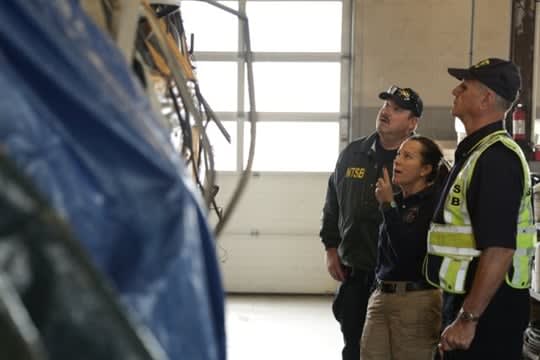
A newly enacted bill in Tennessee stemmed from the Nov. 21 fatal school bus crash in Chattanooga. Photo courtesy National Transportation Safety Board
NASHVILLE, Tenn. — New school bus drivers in Tennessee will have to be at least 25 years old, and the state will set standards for driver and transportation manager training, under a newly enacted bill.
Gov. Bill Haslam signed the legislation, HB 322, into law on May 4. The bill stemmed from the Nov. 21 school bus crash in Chattanooga in which six students were killed and 31 were injured.
As of Jan. 1, 2018, the new law will raise the minimum age for new school bus drivers in Tennessee from 21 to 25. In the Chattanooga crash, school bus driver Johnthony Walker was 24 years old. He now faces six counts of vehicular homicide and other charges.
Under the new law, current school bus drivers who are between 21 and 25 years old will be grandfathered in, so they can renew their existing endorsement. The Chattanooga Times Free Press reported that about 130 current Tennessee school bus drivers who are under age 25 will be grandfathered in.
According to the latest state data collected by School Bus Fleet, there are approximately 9,178 school buses in Tennessee. This suggests that the 130 current drivers who are between 21 and 25 years old operate about 1.4% of the school buses in the state.
Larry Riggsbee, executive director of the Tennessee Association of Pupil Transportation, told SBF that school districts in Tennessee are struggling with school bus driver shortage, as is the case across the nation, and raising the minimum age won’t help on that front.
“Obviously, that will eliminate some people that you could have as drivers,” Riggsbee said, but he added that bigger factors need to be addressed to mitigate the driver shortage, such as offering more competitive compensation and improving student behavior on buses.
“We’ve got to work on making this job better,” he said.
To illustrate his point, Riggsbee recalled a recent conversation that he had with a school bus driver who “was having a difficult time [with the students] that day on her route.” While she was driving, she saw two signs advertising employment opportunities — both of which paid more than her school bus driving job and wouldn’t involve dealing with student discipline.
Beyond raising the minimum age for school bus drivers, HB 322 includes measures to increase state oversight of pupil transportation. The legislation directs the Tennessee Department of Education (DOE) and the Tennessee Department of Safety to:
• Develop and deliver a mandatory annual training program for all transportation supervisors.
• Establish a system for monitoring district and charter school compliance with state and federal laws regarding student transportation services.
• Prepare and annually update and disseminate guidelines on best practices for the management of student transportation services.
A separate proposal introduced after the Chattanooga crash, Rep. JoAnne Favors’ HB 395, would have required seat belts on school buses, but Favors pulled the bill from consideration for the rest of the year. She told the Chattanooga Times Free Press that she didn’t think the bill had enough support in the Finance Committee, but she plans to bring it back next year.
Instead of seat belts, the legislation that Gov. Haslam signed, HB 322, takes other angles in attempting to bolster school bus safety. Along with the previously listed measures, the new law stipulates that:
• School districts will have to develop formal policies for responding to school bus safety complaints.
• School districts that contract out their bus service will need to have a transportation supervisor to oversee the service.
• School bus drivers will have to undergo training based on state standards, which will include such topics as student management, distracted driving, driving techniques, evacuations, loading and unloading, and mirror usage.
According to Riggsbee, for the most part school districts in Tennessee are already covering those points, including the range of driver training topics. However, one significant change brought about by the legislation will be the hiring of a dedicated state director of pupil transportation and a support person in the Tennessee DOE. Riggsbee said that will bring back a high level of involvement in pupil transportation by the state DOE that has been missing for many years.
For the addition of the two state department positions, along with costs involved in the training mandates, the new law will increase state expenditures by an estimated $350,000 annually, according to a fiscal analysis.
Riggsbee said that, overall, he sees the newly passed legislation as a “positive step” in responding to the Chattanooga crash as well as another high-profile fatal incident in Tennessee: the December 2014 school bus crash in Knoxville in which two students and an aide were killed.
“Unfortunately in Tennessee, with these two horrific accidents, we’ve lost the confidence of parents. We’ve got to correct that,” Riggsbee said. “I think this [new law] is a step forward in doing that. It won’t happen overnight, but I think we’re on the right track.”
More Safety

How to Build a Better School Bus Driver Training Program
Is it time to strengthen your driver training? Here’s how to pick the right talent and improve recruitment, retention, and safety. This video is brought to you by IC Bus.
Read More →
Recent School Bus Accidents Leave 2 Dead, 2 Injured
Four school bus crashes in Florida, Illinois, and Georgia highlight risks in transportation lots, at bus stops, and during student loading and unloading.
Read More →
When Every Second Matters, Clarity Keeps Routes Moving
From routine delays to urgent incidents, strong communication practices help drivers, dispatchers, schools, and families respond with confidence.
Read More →

What Happens When a School Bus Catches Fire — and What Can Help
School bus fires are rare but can be devastating. Learn how advances in fire suppression and asset protection help fleets detect fires earlier, reduce damage, and improve safety.
Read More →
Geotab Launches Tool to Help Fleets Investigate Road Incidents
Geotab Investigations combines telematics data, video, documents, and other evidence to help fleets reconstruct incidents, resolve claims, and determine what happened.
Read More →
Texas Sixth Grader Wins 2026 National School Bus Safety Poster Contest
Sai Darshana Yekolu of Moseley Middle School in Prosper, Texas, was named the newest winner for her artwork, bringing the theme of “Safe Rides, Everyday Heroes” to life.
Read More →
Doing More With Less: How Transportation Directors Can Prioritize Safety Amid Budget Uncertainty
With diesel prices soaring and nearly one-third of transportation directors expecting budget cuts, maintaining student safety has never been more challenging. Download this guide to learn how leading districts are prioritizing risk, funding critical safety technology, and building stronger budget cases with data.
Read More →
Walton County Schools Adds Gatekeeper Stop-Arm Enforcement System
The Florida district will deploy Gatekeeper’s updated Student Protector technology, which now incorporates AI to improve video evidence.
Read More →
How To Build a More Secure School Bus Yard During and After Hours
As thefts and overnight security threats continue, school transportation leaders are combining stronger operational practices with AI-enabled surveillance to better protect buses, facilities, and staff.
Read More →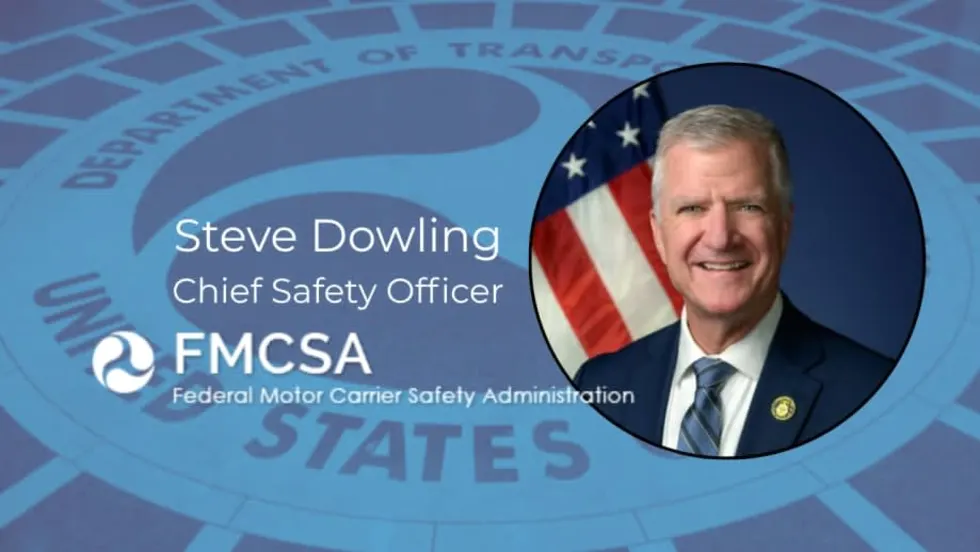
FMCSA Names New Chief Safety Officer: What School Bus Operators Should Know
Steve Dowling is set to lead the federal agency's efforts to advance commercial motor vehicle safety and reduce crashes, fatalities, and injuries on the nation's roadways.
Read More →