




Photo gallery: Highlights from Southeastern States
Southeastern conference covers driver training, emergency response
The event drew more than 130 delegates from 10 states to Arlington, Texas, where they held educational sessions in a convention center flanked by roller coasters and sports stadiums.

Thomas McMahon・Executive Editor
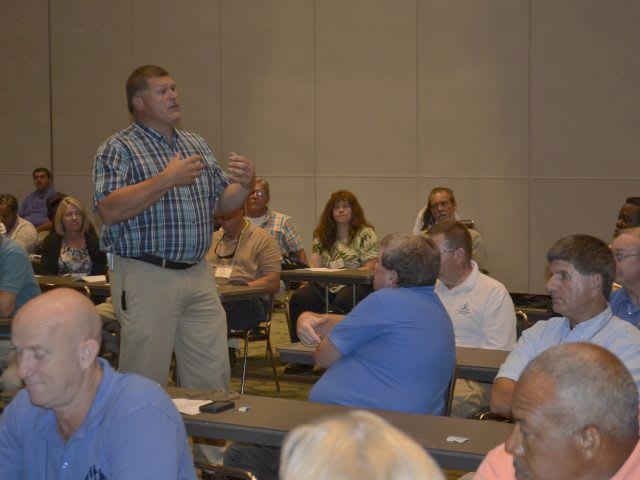
Lt. Ray Robinson, Tennessee’s state pupil transportation director, facilitated a session on responding to school bus emergencies.
3 min to read
ARLINGTON, Texas — Delegates from 10 states convened here this week for educational sessions on such topics as driver training strategies, stop-arm running and responding to school bus emergencies.
The Southeastern States Pupil Transportation Conference (SESPTC) took place July 12-15 at the Arlington Convention Center. Just outside, attendees could hear the screams of roller coaster riders at nearby Six Flags and see the massive structures of two sports stadiums, homes of the Texas Rangers and Dallas Cowboys.
SESPTC drew about 135 pupil transportation officials from states around the southeastern U.S. Some brought along their families, who ventured out into the hot weather to enjoy the area’s entertainment offerings.
But back inside the convention center, attendees focused on learning and networking. Sessions on Monday included an inspirational keynote speech by Alvin Law, who was born with no arms but learned to use his feet for daily activities — such as getting dressed and eating — as well as for numerous skills — such as playing trombone and other musical instruments.

Attendees donned western attire for a banquet during the conference.
Legal expert Peggy Burns, who plans to retire at the end of this year, gave a presentation in which she discussed questions raised by compliance standards and rules.
Later on Monday, SESPTC delegates got an update on school bus stop-arm running issues from Derek Graham, North Carolina’s state director, and Charlie Hood, executive director of the National Association of State Directors of Pupil Transportation Services.
Pupil transportation consultant George Horne shared creative approaches to training school bus drivers and attendants. He provided a list of fundamental training topics as well as other subjects that might not be addressed enough, such as communication skills, cultural sensitivity and documentation skills.
In determining which training topics to select for one’s drivers, Horne recommended being observant and reviewing complaints and accident reports, looking for patterns that should be addressed. He also suggested using educational games and free online resources, such as videos that are available on YouTube.
On Tuesday, SESPTC attendees explored a trade show in which new alternative-fuel school buses and other products from about 60 vendors were on display.
Later in the day, officials from the Arlington Police Department’s SWAT team and from Dallas County Schools gave a presentation on responding to school bus emergencies. They urged pupil transportation directors to work with their local police agencies on training opportunities, such as providing a retired school bus for them to use for hostage scenarios.
The presenters also recommended that transportation directors give local law enforcement officials “intelligence files” on all of their buses — including information on door operations, vehicle disablement and video surveillance cameras.
This year’s gathering was the 65th edition of SESPTC. The conference’s location rotates among the 14 states that make up the group. Next year, SESPTC will be held in Charleston, West Virginia.
More Management
A Dean of Transportation's Different Approach to Student Behavior on the School Bus
After implementing a dean of students program in Oregon, North Clackamas is seeing positive improvements on the bus. Here’s how it worked.
Read More →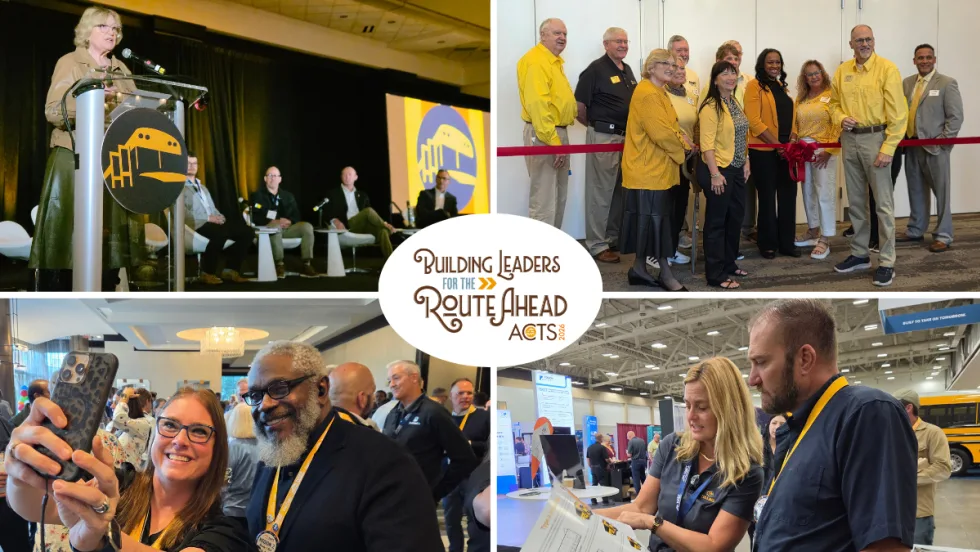
Inside NAPT ACTS 2026: Highlights from Louisville
From federal updates and student behavior strategies to new school bus technology and industry awards, see highlights from NAPT ACTS 2026 in Louisville.
Read More →
Meet the 2025 School Bus Driver Hero Winner: Annette Brown
We caught up with Wa-Nee Community Schools' Annette Brown on site at SBFX, where she was named the 2026 School Bus Driver Hero Award winner. Hear about her reaction, what she loves most about being a school bus driver, and more!
Read More →
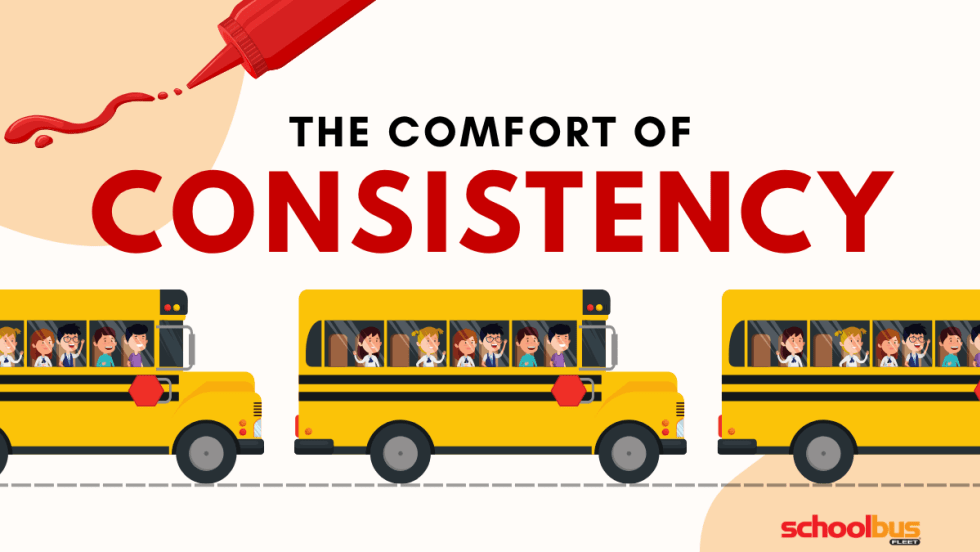
Predictability Is Like Ketchup (According to 6-Year-Olds)
To students, a different school bus can feel like a full-blown crisis. One driver reflects on why familiar routines, showing up on time, and being reliably boring matter more than we think.
Read More →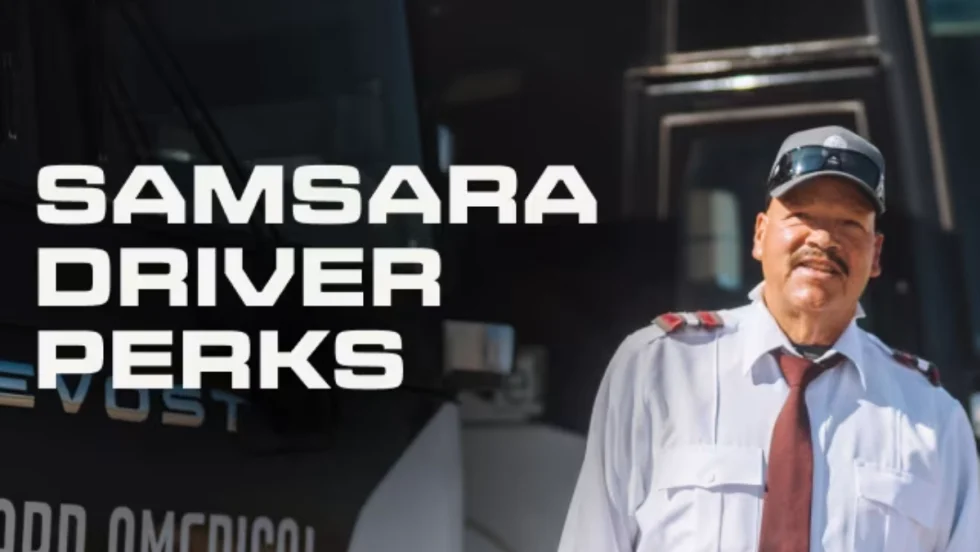
Samsara Launches Free Driver Rewards Program
The new Driver Perks program gives eligible professional drivers access to discounts and offers without adding a cost for participating fleets.
Read More →
How Tax-Exempt Municipal Leases Can Help Finance School Buses
Let’s explore school bus financing options, including municipal leases, vendor payable accounts, and balloon payments, and how they can help stretch fleet budgets.
Read More →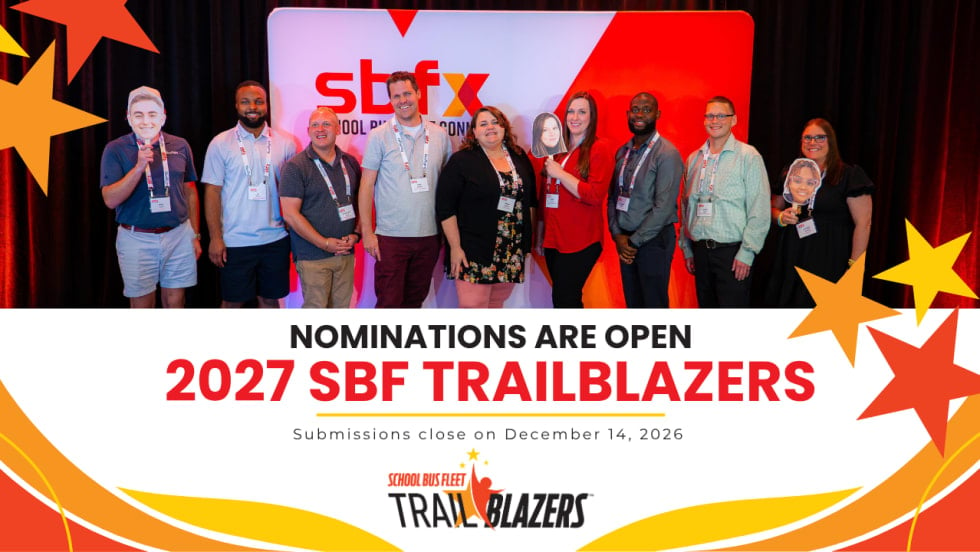
Nominate Rising School Transportation Pros Under 40!
We’re searching for the next generation of leaders making an impact across the K-12 student transportation industry to recognize as SBF’s 2027 Trailblazers. Nominations are open now!
Read More →
Changing Lanes: BusWhere, EverDriven, InterMotive, Summit School Services, Switzer-Carty & Thomas Built Buses
Check out who's been hired, promoted, and appointed to leadership positions at various school transportation suppliers, contractors, and manufacturers.
Read More →
The Most Expensive Thing You Do Before Selling a School Bus: Wait
When should you sell an aging school bus? Learn how maintenance, mileage, corrosion, specifications, and timing can affect resale value long before the auction.
Read More →
American Student Transportation Partners Acquires AJ Myers and Sons
A new deal brings a 75-year Pennsylvania student transportation provider into one of the nation’s largest private school bus contracting groups.
Read More →