




Related- Video: Utah Students Demonstrate School Bus Field Trip Safety
South Dakota District Implements AAA School Bus Safety Program
Middle school students from Vermillion School District participate in the American Automobile Association’s School Safety Patrol program to promote proper school bus safety among their peers.

Sadiah Thompson・Assistant Editor
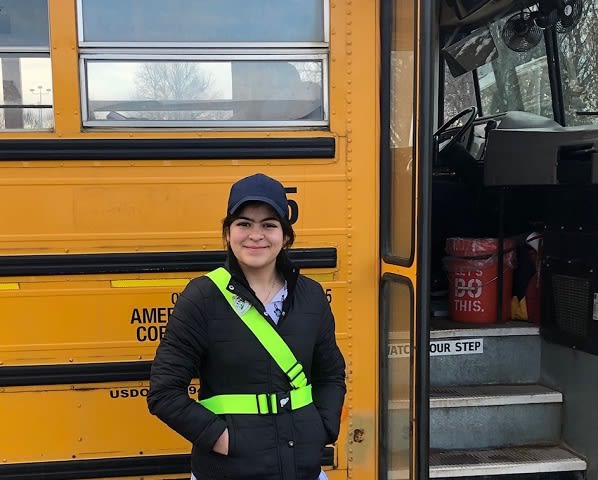
Middle school students from Vermillion (S.D.) School District participate in the American Automobile Association’s School Safety Patrol program to promote proper school bus safety among their peers. Photo courtesy Vermillion School District
2 min to read
Middle school students from Vermillion (S.D.) School District participate in the American Automobile Association’s School Safety Patrol program to promote proper school bus safety among their peers. Photo courtesy Vermillion School District
VERMILLION, S.D. — A school district here recently implemented a new patrol program to enhance student safety in and around the school bus.
Vermillion School District joined the American Automobile Association’s (AAA) School Safety Patrol program to make its students more aware of school bus safety guidelines, Jon Cole, the resource officer for Vermillion Middle School, told School Bus Fleet.
The AAA School Safety Patrol program is designed to enlist the help of students (with their parents' permission) as volunteer patrol officers, according to Cole.
“Students act as assistants to the bus driver and help remind students of proper bus safety and rules, along with reporting any incidents that may occur to the bus driver or school administration,” he said. “They can also assist with younger children crossing the street safely or helping kids off the bus during an emergency evacuation.”
Students are selected to participate in the program based on a variety of factors, such as their interests, behavior, academic achievement, and attitude toward others, Cole added. He also said that currently only the district’s seventh and eighth grade students are chosen to participate in the program because they are more likely to ride on the school bus than the district’s high school students who tend to drive or carpool with friends to school.
The AAA School Safety Patrol program was started in 1920 to provide a safer pedestrian environment and a variety of educational opportunities for students, according to the program’s website. The agency sponsors the entire initiative and provides all of the necessary equipment, including a safety patrol belt and badge for the student officers.
“As a school we are constantly looking for ways to promote safe travel,” said Damon Alvey, the superintendent for Vermillion School District. “Having extra eyes and ears on the bus promoting safe sitting and reducing distractions for the driver, are important. If our riders have a better experience on the bus because we have student patrol members helping, we are glad. The patrol members are providing a service to others and promoting safe travel.”
At this time, Cole said the AAA School Safety Patrol program has received positive feedback from the district’s school bus drivers and the school board. Alvey added that the district will continue to monitor the program and evaluate its success as the year progresses.
More Safety

How to Build a Better School Bus Driver Training Program
Is it time to strengthen your driver training? Here’s how to pick the right talent and improve recruitment, retention, and safety. This video is brought to you by IC Bus.
Read More →
Recent School Bus Accidents Leave 2 Dead, 2 Injured
Four school bus crashes in Florida, Illinois, and Georgia highlight risks in transportation lots, at bus stops, and during student loading and unloading.
Read More →
Sponsored•September 8, 2026
When Every Second Matters, Clarity Keeps Routes Moving
From routine delays to urgent incidents, strong communication practices help drivers, dispatchers, schools, and families respond with confidence.
Read More →

What Happens When a School Bus Catches Fire — and What Can Help
School bus fires are rare but can be devastating. Learn how advances in fire suppression and asset protection help fleets detect fires earlier, reduce damage, and improve safety.
Read More →
Geotab Launches Tool to Help Fleets Investigate Road Incidents
Geotab Investigations combines telematics data, video, documents, and other evidence to help fleets reconstruct incidents, resolve claims, and determine what happened.
Read More →
Texas Sixth Grader Wins 2026 National School Bus Safety Poster Contest
Sai Darshana Yekolu of Moseley Middle School in Prosper, Texas, was named the newest winner for her artwork, bringing the theme of “Safe Rides, Everyday Heroes” to life.
Read More →
Sponsored•August 27, 2026
Doing More With Less: How Transportation Directors Can Prioritize Safety Amid Budget Uncertainty
With diesel prices soaring and nearly one-third of transportation directors expecting budget cuts, maintaining student safety has never been more challenging. Download this guide to learn how leading districts are prioritizing risk, funding critical safety technology, and building stronger budget cases with data.
Read More →
Walton County Schools Adds Gatekeeper Stop-Arm Enforcement System
The Florida district will deploy Gatekeeper’s updated Student Protector technology, which now incorporates AI to improve video evidence.
Read More →
How To Build a More Secure School Bus Yard During and After Hours
As thefts and overnight security threats continue, school transportation leaders are combining stronger operational practices with AI-enabled surveillance to better protect buses, facilities, and staff.
Read More →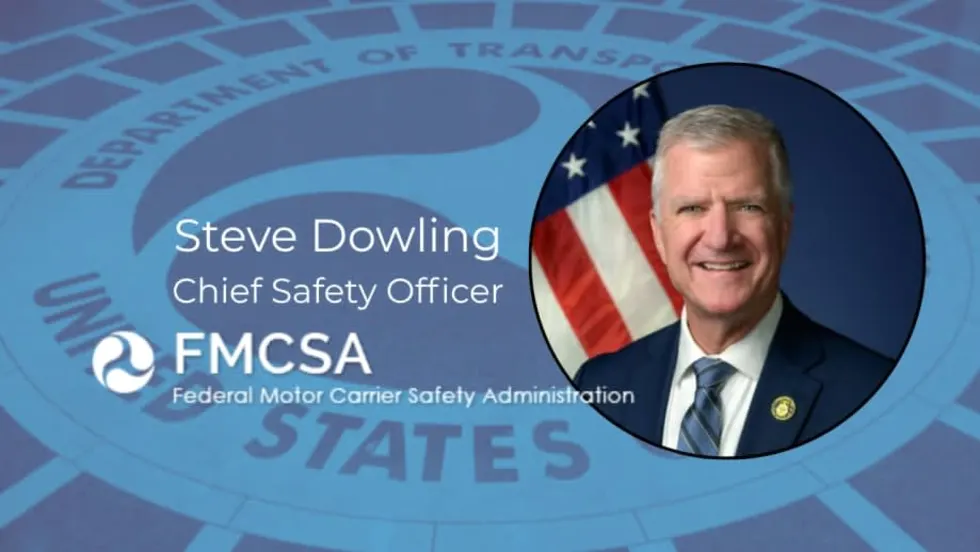
FMCSA Names New Chief Safety Officer: What School Bus Operators Should Know
Steve Dowling is set to lead the federal agency's efforts to advance commercial motor vehicle safety and reduce crashes, fatalities, and injuries on the nation's roadways.
Read More →