




Photo gallery:Oregon conference highlights
School bus safety a key theme in Oregon conference
Emergency response, vehicle dynamics and crash prevention were among the topics covered during the Oregon Pupil Transportation Association’s annual gathering.

Thomas McMahon・Executive Editor
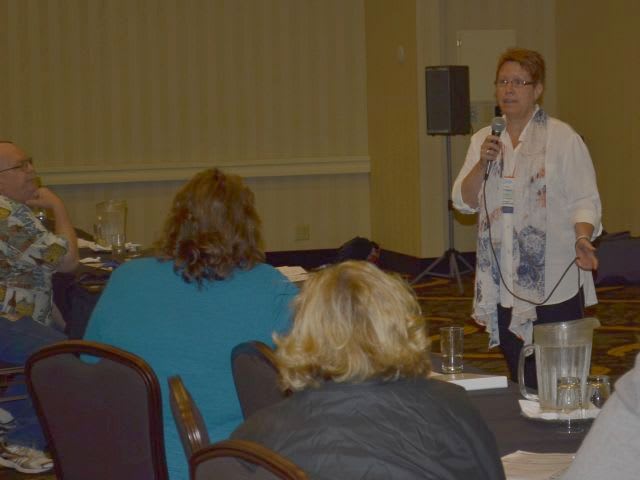
Kathy Houck told OPTA conference attendees about her transportation department’s role in responding to the Reynolds High School shooting last year.
4 min to read
EUGENE, Ore. — School transportation officials from across the state gathered here last week to discuss a variety of topics that tied in to the key goal of keeping students safe.
Sessions during the Oregon Pupil Transportation Association (OPTA)’s 2015 conference, held June 15-18 at the Valley River Inn in Eugene, covered such safety-focused topics as emergency response, vehicle dynamics and crash prevention.
Mother and son duo Marcia and Ryan Hahn gave a presentation on vehicle dynamics, offering guidance to help drivers manage their school bus in all types of weather conditions. Marcia Hahn has written an article on that topic for School Bus Fleet.
Emergency procedures for school bus drivers and monitors was the topic of a presentation by Diane Clinkscales, a Head Start transportation coordinator. Clinkscales shared lessons learned from a recent crash.
Kathy Houck, transportation coordinator for Reynolds School District, also led a session on the subject of emergencies. Houck told attendees about her transportation department’s role in responding to the Reynolds High School shooting in June 2014. For example, as police released classrooms individually from the school, district buses transported them to a reunification site to meet their parents.
“The big, yellow school bus is the safest vehicle out there, but if we are willing, we can make it even safer.” — Scott Bohl, Oregon Department of Education
Houck said that transportation departments’ emergency plans should be reviewed annually with district administrators and with drivers during in-service training. The plans should be general guidelines and should not be too specific, she noted.
“No matter how much you plan, it’s not going to go exactly as scripted,” Houck said.
She also emphasized the need for pupil transportation officials to be included in school emergency discussions.
“Make sure you’re involved in those security conversations,” Houck said. “Transportation is an important part of this.”
In another conference session, officials from the Oregon Department of Education (ODE) briefed attendees on a few safety issues that have surfaced recently. For example, state pupil transportation director Michael Wiltfong said that there was an uptick in school bus driver suspensions for cell phone use in the 2014-15 school year.
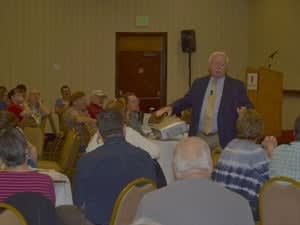
In a keynote address, pupil transportation consultant and industry veteran Denny Coughlin shared his insights on how to improve one’s life.
There were 456 school bus accidents in Oregon during the past school year. In 333 of those (73%), the school bus driver was at fault. In about 58% of the school bus driver at-fault crashes, the bus struck a fixed object or a parked vehicle.
To address this, ODE officials recommended a renewed training emphasis on bus pivot and reference points. Another suggestion was to get more drivers involved in school bus safety exercises.
“The big, yellow school bus is the safest vehicle out there, but if we are willing, we can make it even safer,” said Scott Bohl, a program analyst for ODE.
There was one school bus driver fatality in Oregon during the 2014-15 school year. Terilyn Morgan was killed when her bus collided head-on with a semi-truck in Rogue River in May. (During a later session at the OPTA conference, association President Kim Crabtree asked attendees to observe a moment of silence for Morgan.)
Still, Wiltfong noted that there was “a lot more good news than bad news this year” in the Oregon pupil transportation community. For one, there were no student fatalities on school buses in the state in 2014-15.
Also, the number of school bus drivers in Oregon has been increasing in recent years. In 2014, there were 6,197 school bus drivers in the state, up 3% from the previous year’s 6,007.
Along with the growth in the driver workforce, training time increased about 10 years ago. New school bus drivers in Oregon are now required to undergo 15 hours of behind-the-wheel training. In the past, the requirement was 10 hours of behind-the-wheel training.
New school bus drivers also undergo eight hours of classroom instruction as well as first aid training when they are first licensed.
Other OPTA conference sessions covered such topics as tracking and analyzing transportation department data, best practices in transporting special-needs students, and successful shop management.
The association also held an awards program. The recipients were:
• Doug Flatt Award — Denise Richardson, Astoria School District
• Supervisor of the Year — Michelle Rainville, Redmond School District
• Driver Trainer of the Year — Deborah Maskal, Greater Albany School District
• Buck Klemm Award — Lori Dau
• Driver of the Year — Teresa Schreiber
• Golden Wrench — David Graham, Sisters School District
• Dennis Essary Leadership Award — Jane Langlois, Beaverton School District
• Big Wheel — Keith Wright, Portland Public Schools
• Jack Speer Training Award — Greater Albany Public Schools
More Safety

Geotab Launches Tool to Help Fleets Investigate Road Incidents
Geotab Investigations combines telematics data, video, documents, and other evidence to help fleets reconstruct incidents, resolve claims, and determine what happened.
Read More →
Sponsored•August 27, 2026
Doing More With Less: How Transportation Directors Can Prioritize Safety Amid Budget Uncertainty
With diesel prices soaring and nearly one-third of transportation directors expecting budget cuts, maintaining student safety has never been more challenging. Download this guide to learn how leading districts are prioritizing risk, funding critical safety technology, and building stronger budget cases with data.
Read More →
How To Build a More Secure School Bus Yard During and After Hours
As thefts and overnight security threats continue, school transportation leaders are combining stronger operational practices with AI-enabled surveillance to better protect buses, facilities, and staff.
Read More →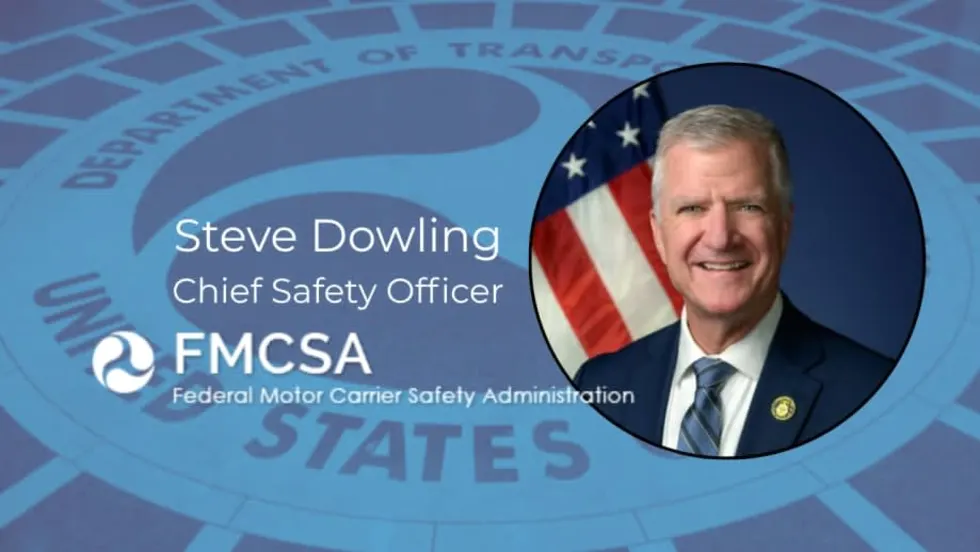
FMCSA Names New Chief Safety Officer: What School Bus Operators Should Know
Steve Dowling is set to lead the federal agency's efforts to advance commercial motor vehicle safety and reduce crashes, fatalities, and injuries on the nation's roadways.
Read More →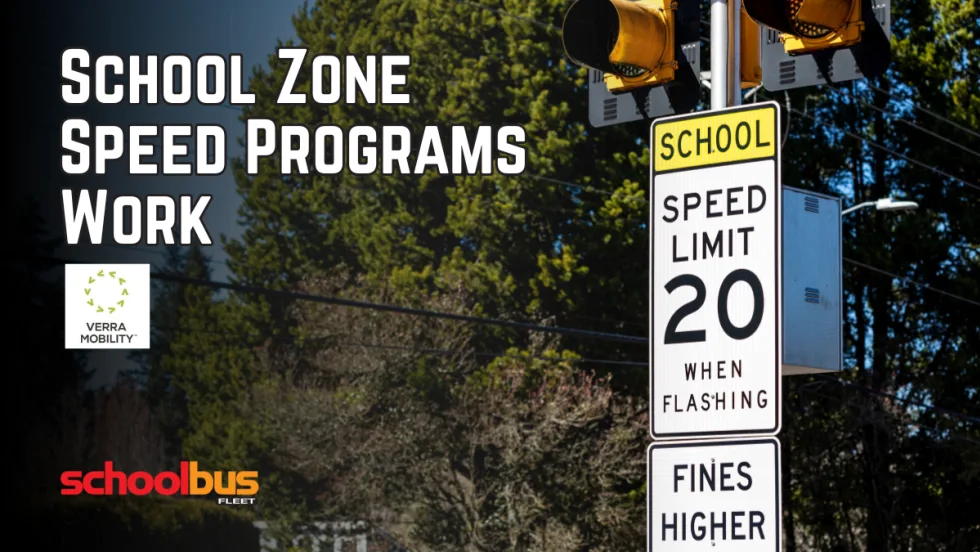
New Study Finds School Zone Speed Safety Cameras Cut Speeding Violations 97%
A Florida university's research demonstrates that Verra Mobility's automated enforcement changes driver behavior and significantly improves school zone safety.
Read More →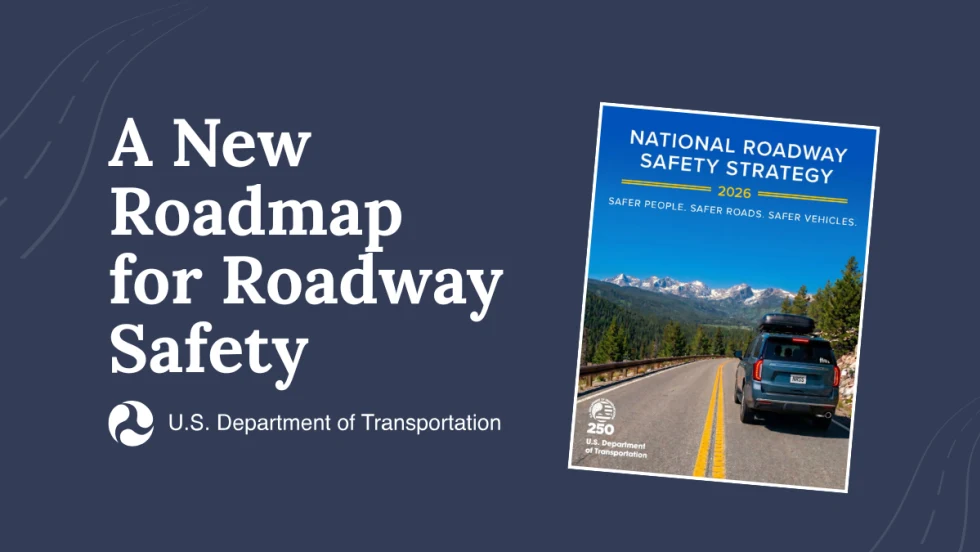
What Changed in DOT’s New National Roadway Safety Strategy?
The federal agency's new plan shifts its focus to safer people, roads and vehicles, with a new three-pronged approach instead of five. One outlined action even addresses a key industry concern around illegal school bus passing.
Read More →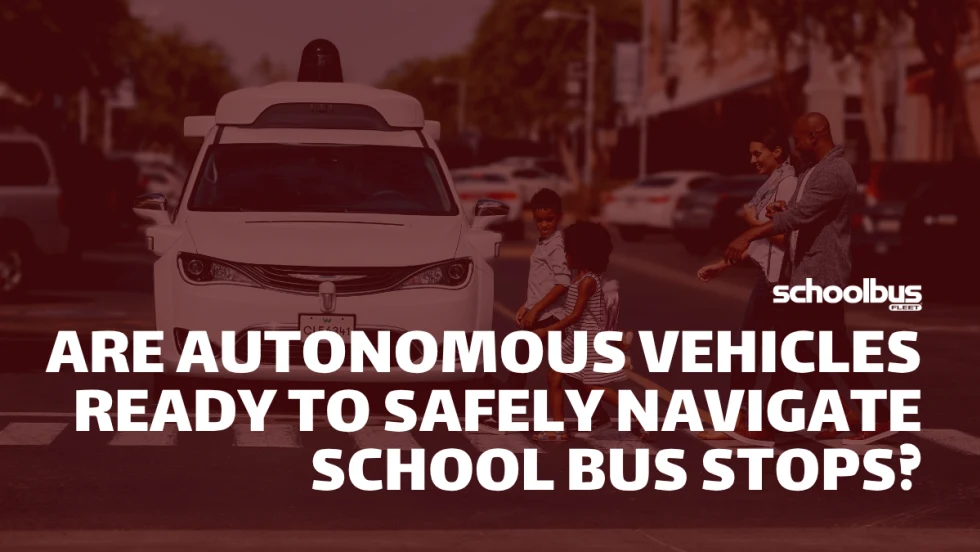
Are Autonomous Vehicles Ready to Safely Navigate School Bus Stops?
NHTSA is accelerating autonomous vehicle deployment through new safety standards and commercial approvals. See why school transportation leaders are watching.
Read More →
NFL Star Lomas Brown Kicks Off New Illegal School Bus Passing PSA
Just in time for the back-to-school season, the former Detroit Lions offensive tackle took time to record a video encouraging motorists to slow down around school buses.
Read More →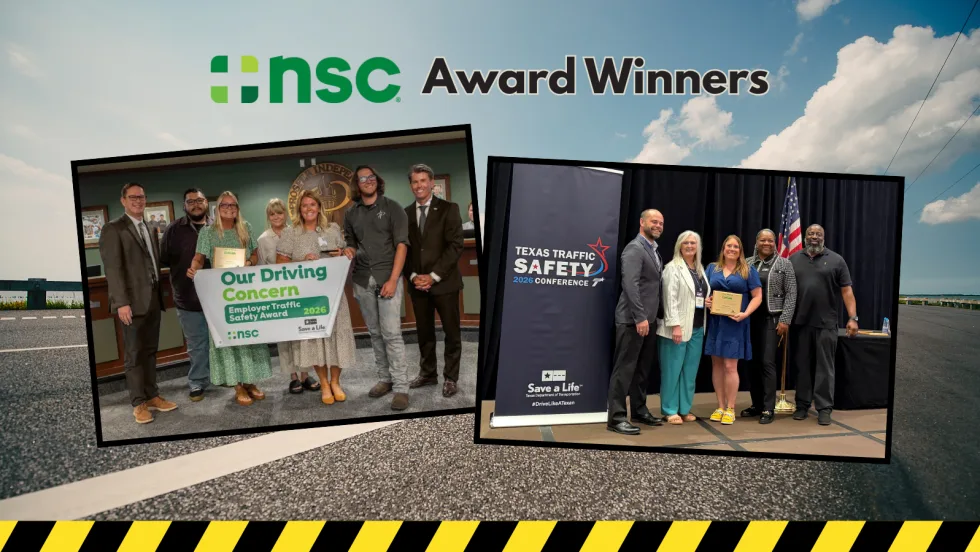
How Two Texas Districts Built Award-Winning Safety Programs
Learn how Prosper ISD and Rockwall ISD earned National Safety Council honors through hands-on training, safety culture, and strategies that reduced transportation incidents.
Read More →
NHTSA Releases 10-Year Review of Fatal School Bus Crashes
The latest federal analysis reinforces the safety of school buses while identifying where school-age pedestrians and other motorists remain most at risk.
Read More →