




School Bus Driver Wins National Award for Reflective Safety Belts
Katee Horner of Montana receives second place in First Student’s 2019 Be First Awards after purchasing reflective safety belts for students to wear at school bus stops.


Katee Horner, a driver for Helena (Mont.) Public Schools, received second place in First Student’s 2019 Be First Awards after purchasing reflective safety belts for students to wear at their school bus stops. Photo courtesy Bevann Hamill

Katee Horner, a driver for Helena (Mont.) Public Schools, received second place in First Student’s 2019 Be First Awards after purchasing reflective safety belts for students to wear at their school bus stops. Photo courtesy Bevann Hamill
HELENA, Mont. — A school bus driver here recently received national recognition after purchasing reflective safety belts for students to wear at school bus stops.
Katee Horner, a driver for Helena Public Schools, was honored at First Student's Be First Awards held in Cincinnati, Ohio, on May 2, according to a post on the Helena Public Schools transportation department’s Facebook page.
Horner, a U.S. Army veteran and first-year bus driver, told School Bus Fleet that she had received second place in the safety category after providing the students on her bus with reflective safety belts. She initially had the idea to purchase the belts after wearing one in the army, and decided to purchase them for her students to wear like a sash to ensure they would be seen by passing motorists.
As word started to spread about Horner’s idea, local businesses and parents also began to chip in to pay for the belts, according to the district. Horner, who was nominated by her peers at First Student, was selected as a finalist among over 600 nominees in a total of seven categories, according to the district.
“I feel honored to be recognized for my idea, and even more so to have received second place in the Be First Awards,” Horner said. “I feel the safety of our kids should always be a top priority. With more and more accidents occurring at the bus stop, I feel making students more visible to passing motorists greatly increases our chances to avoid a potential disaster.”
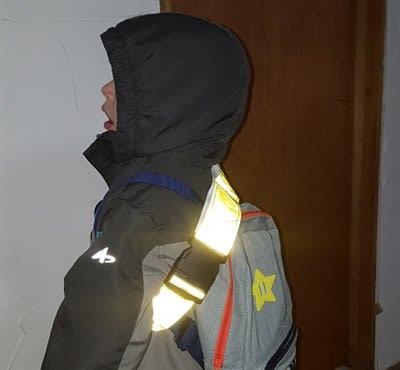
The reflective safety belts, which can be worn by students like a sash, will be visible to motorists during dark, early winter mornings, according to Horner. Photo courtesy Katee Horner
Bevann Hamill, the location manager for First Student’s Helena location, told SBF that most of the school bus stops for Helena Public Schools students are in rural areas, and have no sidewalks or street lights.
“Motorists often may not be able to see students while they’re waiting at the [bus] stops,” Hamill explained. “If my drivers and staff have to wear high-visibility vests on our bus yard just as an added piece of security to keep everyone safe, then I would just like to see our kids afforded that same safety.”
Hamill said First Student and Helena Public Schools plan to offer the reflective safety belts to most of the students on rural bus routes by this fall, and that both parties will share the cost of the belts, which is about $10 each.
Hamill added that while she and Horner attended the Be First Awards ceremony, they also met with First Student’s President Dennis Maple and Safety Vice President Darryl Hill to discuss Horner’s idea, and the possibility of implementing the belts at other First Student locations with rural bus stops.
More Safety
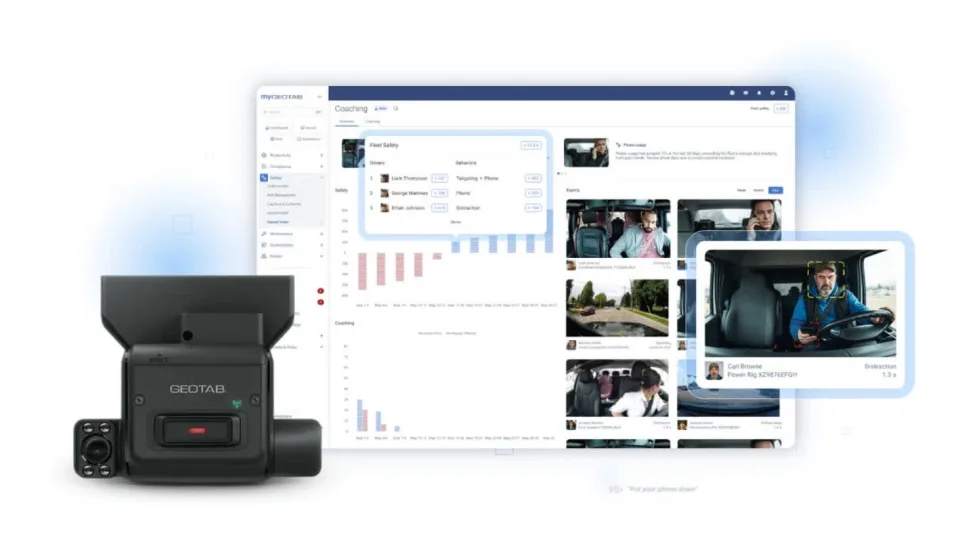
Geotab Expands Fleet Safety Tools With Video Coaching, Risk Insights
New safety and video capabilities aim to help fleet managers assess risk, support drivers, and take targeted action through video coaching, red-light violation detection, and more.
Read More →
How to Build a Better School Bus Driver Training Program
Is it time to strengthen your driver training? Here’s how to pick the right talent and improve recruitment, retention, and safety. This video is brought to you by IC Bus.
Read More →
Recent School Bus Accidents Leave 2 Dead, 2 Injured
Four school bus crashes in Florida, Illinois, and Georgia highlight risks in transportation lots, at bus stops, and during student loading and unloading.
Read More →

When Every Second Matters, Clarity Keeps Routes Moving
From routine delays to urgent incidents, strong communication practices help drivers, dispatchers, schools, and families respond with confidence.
Read More →
What Happens When a School Bus Catches Fire — and What Can Help
School bus fires are rare but can be devastating. Learn how advances in fire suppression and asset protection help fleets detect fires earlier, reduce damage, and improve safety.
Read More →
Geotab Launches Tool to Help Fleets Investigate Road Incidents
Geotab Investigations combines telematics data, video, documents, and other evidence to help fleets reconstruct incidents, resolve claims, and determine what happened.
Read More →
Texas Sixth Grader Wins 2026 National School Bus Safety Poster Contest
Sai Darshana Yekolu of Moseley Middle School in Prosper, Texas, was named the newest winner for her artwork, bringing the theme of “Safe Rides, Everyday Heroes” to life.
Read More →
Doing More With Less: How Transportation Directors Can Prioritize Safety Amid Budget Uncertainty
With diesel prices soaring and nearly one-third of transportation directors expecting budget cuts, maintaining student safety has never been more challenging. Download this guide to learn how leading districts are prioritizing risk, funding critical safety technology, and building stronger budget cases with data.
Read More →
Walton County Schools Adds Gatekeeper Stop-Arm Enforcement System
The Florida district will deploy Gatekeeper’s updated Student Protector technology, which now incorporates AI to improve video evidence.
Read More →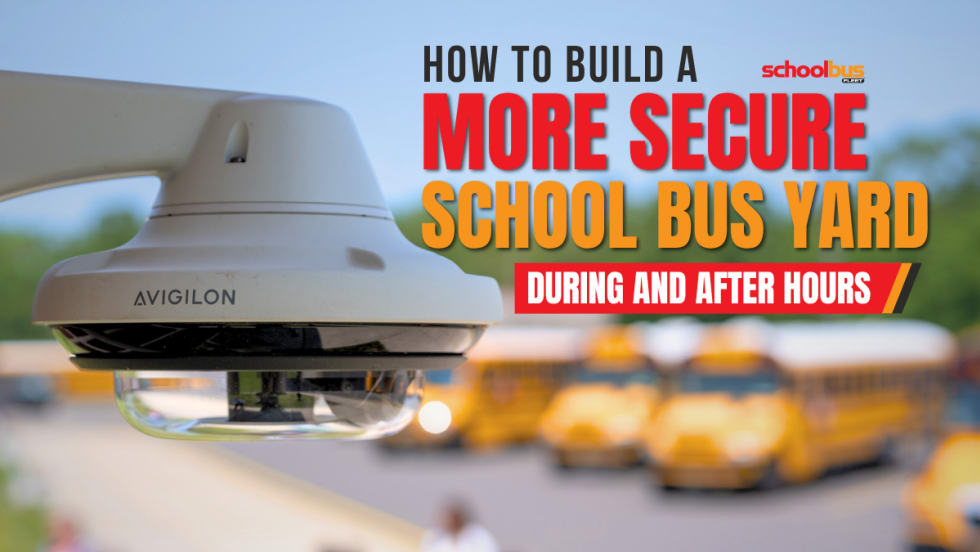
How To Build a More Secure School Bus Yard During and After Hours
As thefts and overnight security threats continue, school transportation leaders are combining stronger operational practices with AI-enabled surveillance to better protect buses, facilities, and staff.
Read More →