




Report recommends reducing walking distance in Nova Scotia
HALIFAX, Nova Scotia — A provincial review of school busing has recommended reducing the maximum distance students must walk before being eligible to...

HALIFAX, Nova Scotia — A provincial review of school busing has recommended reducing the maximum distance students must walk before being eligible to ride a bus.
The review, for which consultant Chester Sabean examined provincial regulations and school board busing policies, took eight months to complete and included public input from 569 individuals and organizations.
In his report, Sabean recommends reducing the maximum walking distance from 3.6 kilometers (2.23 miles) to 1.6 kilometers (nearly one mile) for elementary students, and three kilometers (1.86 miles) for secondary students.
Other recommendations include:
School boards retain authority under the regulations to provide courtesy busing where dangerous conditions warrant.
Establishing a limit on the maximum time young children are expected to travel on a school bus.
Younger children should not be picked up before 7 a.m. or dropped off after 5 p.m.
Employing a routing technician specialist at each school board.
Establishing a funding formula based on total enrollment, the number of transported students and other criteria.
Education Minister Karen Casey — who will provide a response to the report this spring — said that her department's staff will take time to assess the financial and operational implications of the report’s recommendations. As a result, there will be no changes to pupil transportation regulations before September 2009.
The report can be viewed in full at www.ednet.ns.ca/events/walkingdistance.
More Safety
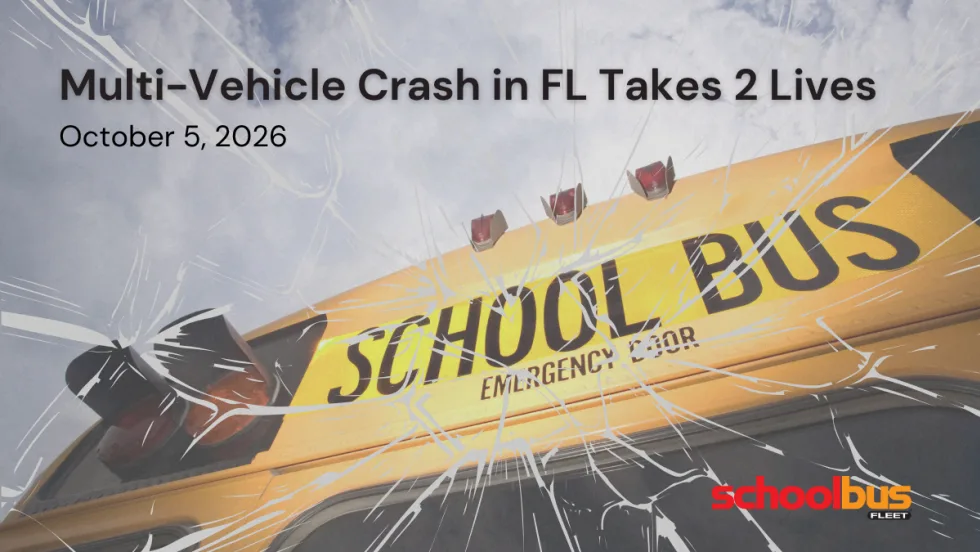
2 Killed, Dozens Injured in Florida School Bus Crash
A multi-vehicle collision caused a Polk County school bus carrying 37 students to overturn on its way to Winter Haven High School.
Read More →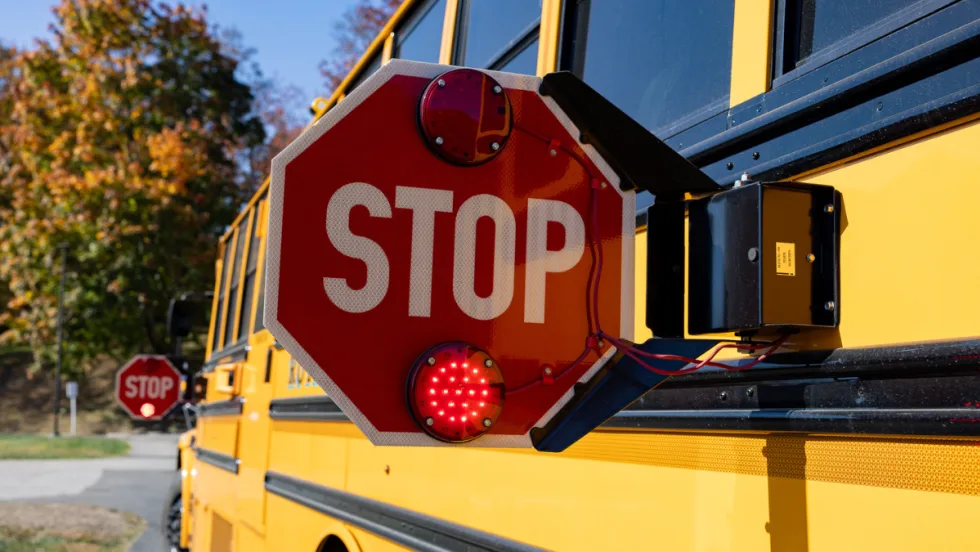
Illegal School Bus Passing Drops 24% in New York Districts
With fewer than 5% of citations involving repeat offenders, Westchester County officials said enforcement, education, and community partnerships are helping change driver behavior.
Read More →
School's Back. Here's What Happened to Traffic, Speeding & Distraction
What happens to traffic when school resumes? New data analysis examines changes in distracted driving, congestion, and speeding around schools.
Read More →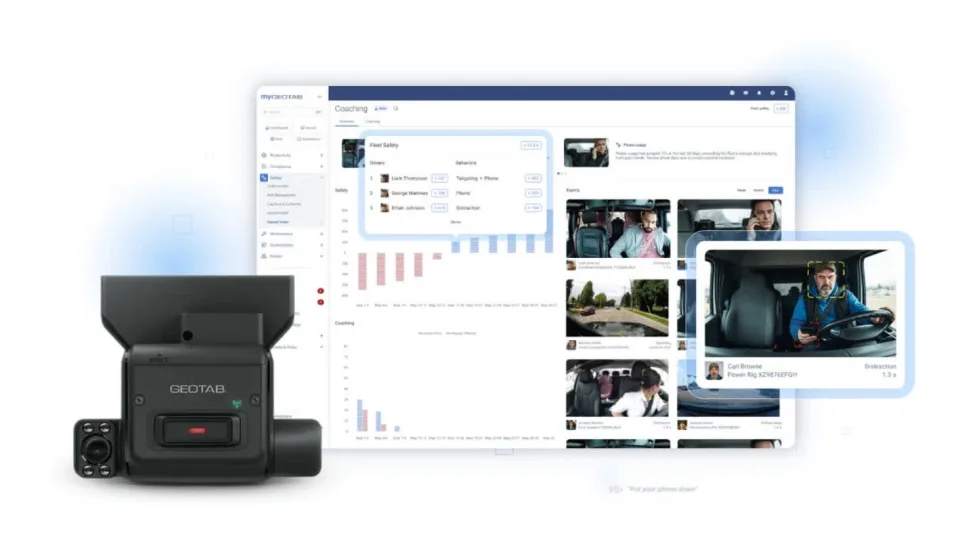
Geotab Expands Fleet Safety Tools With Video Coaching, Risk Insights
New safety and video capabilities aim to help fleet managers assess risk, support drivers, and take targeted action through video coaching, red-light violation detection, and more.
Read More →
How to Build a Better School Bus Driver Training Program
Is it time to strengthen your driver training? Here’s how to pick the right talent and improve recruitment, retention, and safety. This video is brought to you by IC Bus.
Read More →
Recent School Bus Accidents Leave 2 Dead, 2 Injured
Four school bus crashes in Florida, Illinois, and Georgia highlight risks in transportation lots, at bus stops, and during student loading and unloading.
Read More →
When Every Second Matters, Clarity Keeps Routes Moving
From routine delays to urgent incidents, strong communication practices help drivers, dispatchers, schools, and families respond with confidence.
Read More →
What Happens When a School Bus Catches Fire — and What Can Help
School bus fires are rare but can be devastating. Learn how advances in fire suppression and asset protection help fleets detect fires earlier, reduce damage, and improve safety.
Read More →
Geotab Launches Tool to Help Fleets Investigate Road Incidents
Geotab Investigations combines telematics data, video, documents, and other evidence to help fleets reconstruct incidents, resolve claims, and determine what happened.
Read More →
Texas Sixth Grader Wins 2026 National School Bus Safety Poster Contest
Sai Darshana Yekolu of Moseley Middle School in Prosper, Texas, was named the newest winner for her artwork, bringing the theme of “Safe Rides, Everyday Heroes” to life.
Read More →