


Prevost Launches Dual Ionization System
EnviroCare supports motorcoach operators in providing a safe environment and boosting confidence for group travel riders.

Prevost
Prevost launched EnviroCare — a dual ionization system that sanitizes and cleans the air and surfaces in coaches through the air and climate system. A proven technology used in home and automotive applications globally, EnviroCare supports motorcoach operators in providing a safe environment and boosting confidence for group travel riders.
“Operators have been using deep cleaning methods to sanitize coaches with the advent of the COVID-19 pandemic. Now we can ensure the air and surfaces in the entire coach, including those hard-to-reach places, will be sanitized,” said Francois Tremblay, VP and GM of Prevost. “We are proud to bring this solution to our customers and their fleets creating an environment where groups can feel comfortable traveling together again.”
The dual ionization system is added to the cabin climate system and helps to suppress and deactivate viruses, bacteria, and mold that are airborne or on surfaces. EnviroCare uses a balance of positive and negative ions to attach to and change the structure of viruses, bacteria, and other pollutants to create harmless and invisible water vapor.
Additionally, Prevost leads the industry in air flow standards. All the air within the passenger cabin is refreshed every five minutes and the air inside the coach is filtered every minute. Replenishing and filtering the air so often reassures passengers they are not breathing contaminates from other sources.
Originally posted on Metro
More Safety
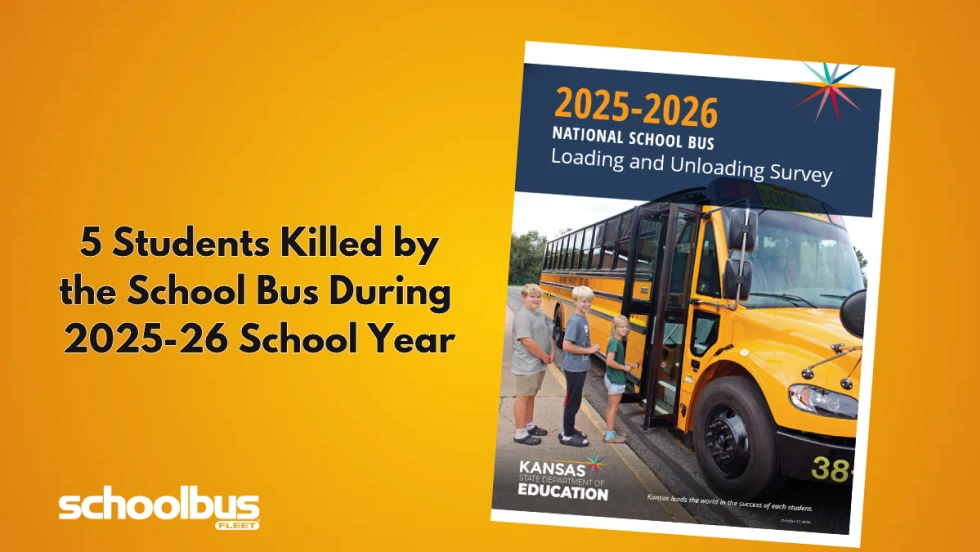
Five Students Died from School Bus Loading/Unloading in 2025-26
Fatalities are down by just one this year across the U.S. as four states reported five children struck and killed while getting on or off their school bus.
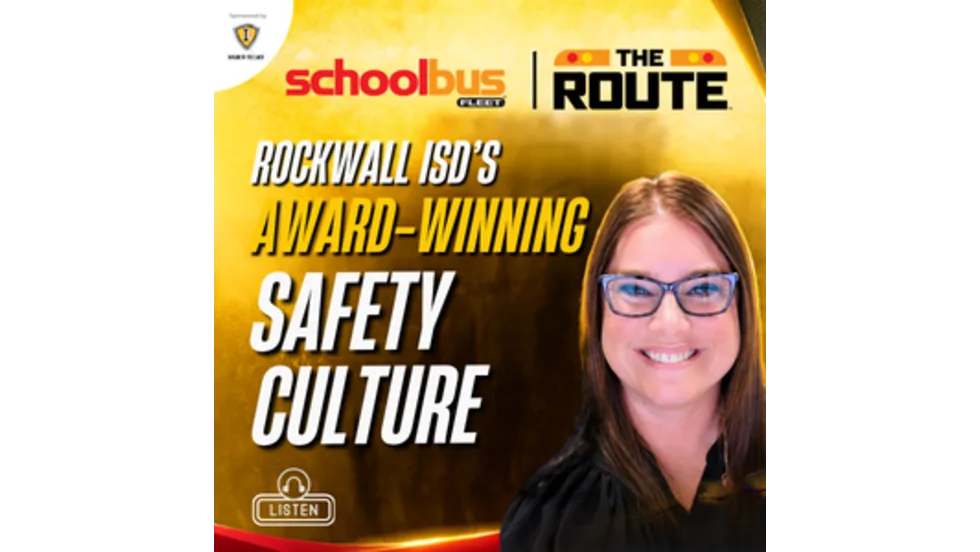
How a Texas District Built an Award-Winning Safety Culture
Rockwall ISD's Jennifer Gardella joins The Route to share lessons learned on accident prevention, driver training, coaching, technology, and team culture.
How Rockwall ISD Built an Award-Winning Safety Culture
How did one Texas transportation team strengthen bus and traffic safety? Jennifer Gardella shares lessons on driver training, coaching, technology, and team culture. The Route is brought to you by IC Bus.
North Carolina Student Killed While Boarding School Bus, Two Die in Utah Bus Crash
A Southern Nash High School student died after being struck by a pickup truck while approaching her school bus. In a separate incident, two people were killed after crashing into a school bus in Utah.
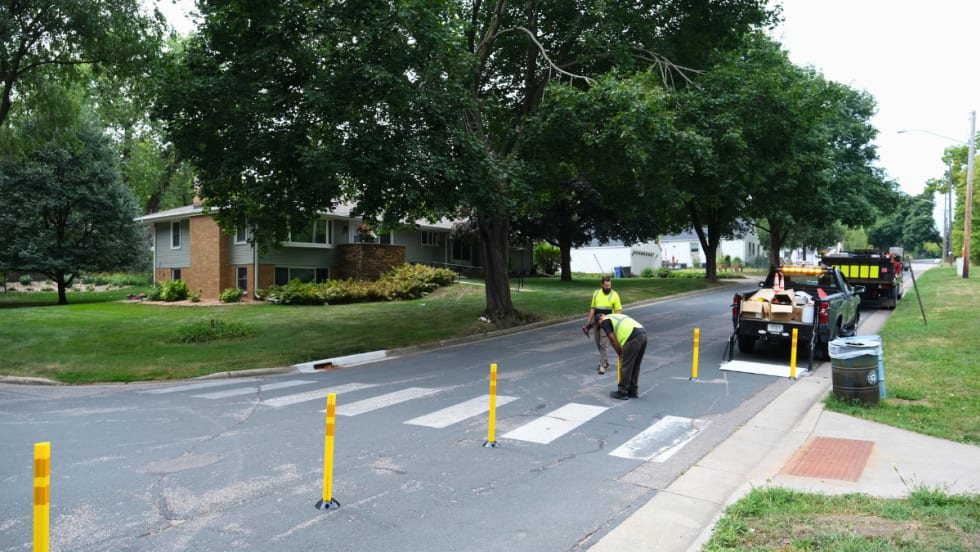
Minneapolis School Zone Pilot Cuts Speeding 41% with Low-Cost Street Design Changes
In a pilot project in Minnesota, two school-area intersections had low-cost, temporary road and traffic flow improvements made to measure the impact on roadway and student safety. Here's what they found.
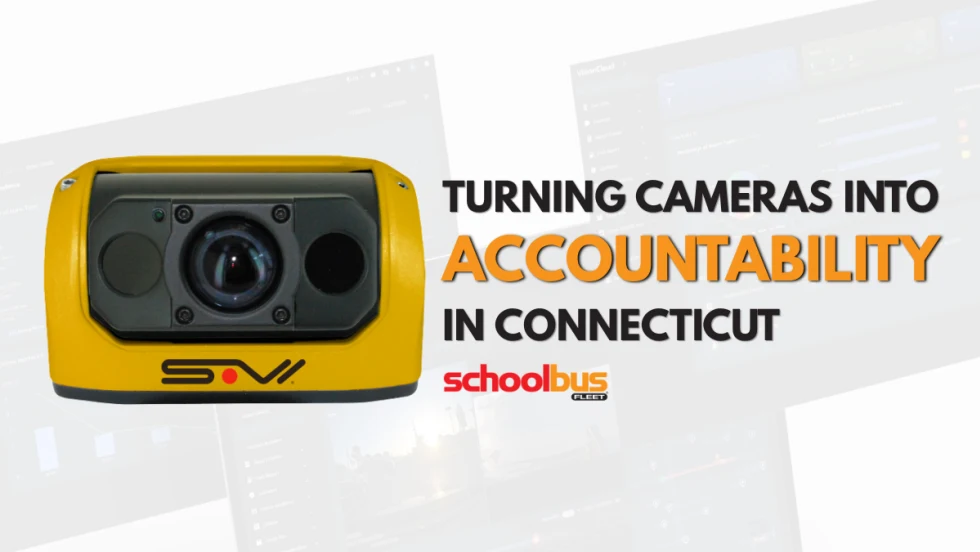
Sitestream, Safety Vision Partner with Connecticut City to Launch School Bus Stop-Arm Camera Program
The new enforcement initiative combines camera technology and violation management software to document illegal school bus passing, encourage driver compliance, and enhance student safety.
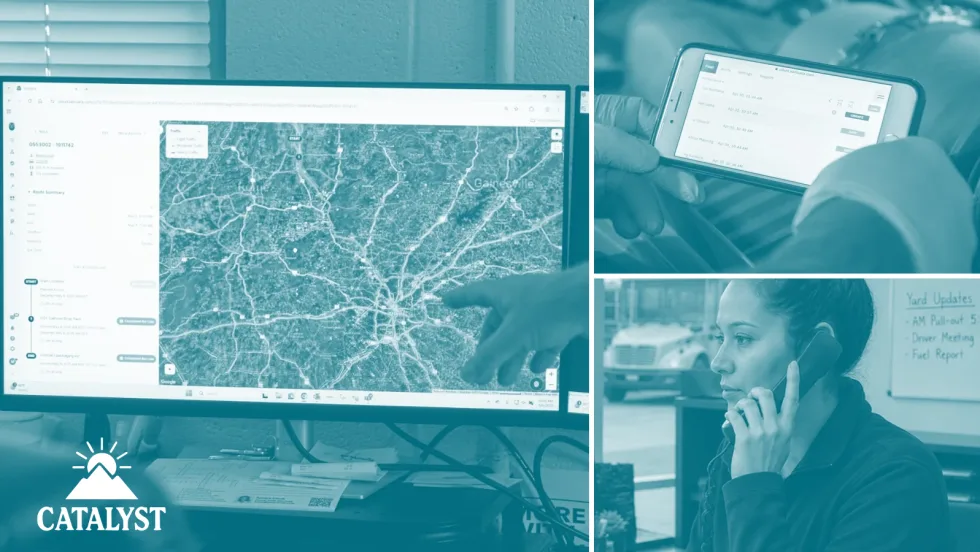
From Reactive to Proactive: Making Every Ride Visible
Smart technology only delivers its full value when it works together. See how Catalyst connects proven industry platforms to move student transportation from reactive to proactive.
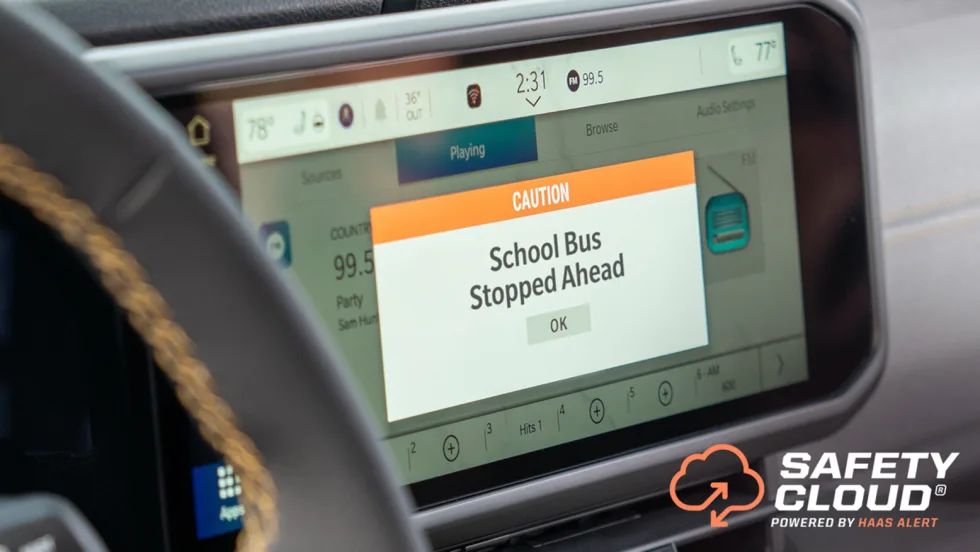
HAAS Alert’s Safety Cloud Warns Motorists of Stopped School Buses
Through a transponder or Samsara connection, the product lets school bus fleets send advance warnings to approaching drivers through in-vehicle alerts.
HopSkipDrive Reports Progress on Safety Advisory Council
More than a year after forming the council, independent safety experts have helped shape new rider-safety features and policy progress, with a new goal to address rider behavior.
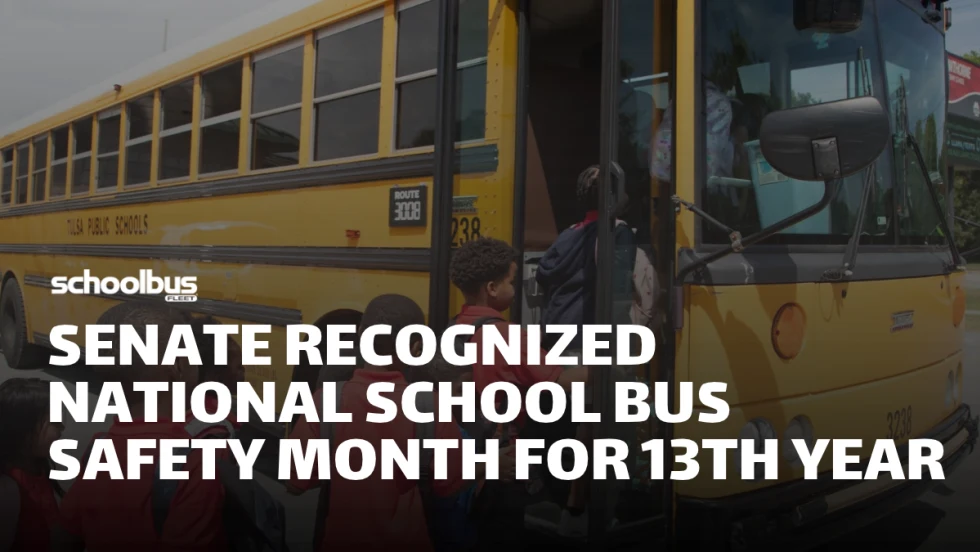
What the 2026 National School Bus Safety Month Resolution Means for Student Transportation
The bipartisan resolution highlights illegal school bus passing, student safety during loading and unloading, and the need for driver training and public education.