




Poll probes transportation workers' sleep issues
About one-fourth of train operators and pilots admit that sleepiness has affected their job performance at least once a week, according to the National Sleep Foundation. National Transportation Safety Board Chairman Deborah Hersman says that the new poll, which includes bus drivers, "should serve as a literal 'wake-up call.'"

About one-fourth of train operators and pilots admit that sleepiness has affected their job performance at least once a week, according to a new poll from the National Sleep Foundation (NSF).
The group said that its 2012 Sleep in America poll is the first to ask transportation professionals, including pilots, train operators, and truck, bus, taxi and limo drivers, about their sleep habits and work performance.
The NSF study found that pilots and train operators are the most likely to report sleep-related job performance and safety problems.
One in five pilots admit that they have made a serious error, and about one in six train operators and truck drivers say that they have had a “near miss,” due to sleepiness.
The study drew at least one federal-level response.
"The results of the NSF poll should serve as a literal 'wake-up call,'" said Deborah Hersman, chairman of the National Transportation Safety Board. "Inadequate sleep puts lives at risk — we see this over and over in our accident investigations. Improving the quantity and quality of sleep can improve safety and ultimately save lives."
Managing human fatigue has been on the National Transportation Safety Board's Most Wanted List of transportation safety improvements since the list was created in 1990. As a result of its accident investigations, the agency has issued nearly 200 fatigue-related recommendations to address such areas as hours-of-service requirements, scheduling policies, and diagnosis and treatment of sleep disorders.
In the NSF poll results, bus drivers were grouped with taxi and limo drivers. School bus drivers accounted for about 43 percent of the respondents in the bus/taxi/limo category. Transit, charter and other types of bus drivers accounted for 35 percent, and taxi and limo drivers were about 22 percent.
The bus/taxi/limo group seemed to fare better than others in some key issues. Only 10 percent of them said that sleepiness has affected their job performance at least once a week, compared with 23 percent of pilots, 26 percent of train operators and 15 percent of truck drivers.
Seven percent of bus/taxi/limo drivers admit to having made a serious error on the job due to sleepiness, compared with 20 percent of pilots, 9 percent of train operators and 6 percent of truck drivers.
Twelve percent of bus/taxi/limo drivers admit to having had a "near miss" at work due to sleepiness.
For a summary of the poll findings, click here.
Tips for better sleep
NSF also issued the following tips for those who struggle with sleep:
• Go to sleep and wake at the same time every day, and avoid spending more time in bed than needed.
• Use bright light to help manage your "body clock." Avoid bright light in the evening, and expose yourself to sunlight in the morning.
• Use your bedroom only for sleep to strengthen the association between your bed and sleep. It may help to remove work materials, computers and televisions from your bedroom.
• Select a relaxing bedtime ritual, like a warm bath or listening to calming music.
• Create an environment that is conducive to sleep — quiet, dark and cool with a comfortable mattress and pillows.
• Save your worries for the daytime. If concerns come to mind, write them in a "worry book" so you can address those issues the next day.
• If you can't sleep, go into another room and do something relaxing until you feel tired.
• Exercise regularly, but avoid vigorous workouts close to bedtime.
• If you are experiencing excessive daytime sleepiness, snoring or “stop breathing” episodes in your sleep, contact your healthcare professional for a sleep apnea screening.
More Safety

2 Killed, Dozens Injured in Florida School Bus Crash
A multi-vehicle collision caused a Polk County school bus carrying 37 students to overturn on its way to Winter Haven High School.
Read More →
Illegal School Bus Passing Drops 24% in New York Districts
With fewer than 5% of citations involving repeat offenders, Westchester County officials said enforcement, education, and community partnerships are helping change driver behavior.
Read More →
School's Back. Here's What Happened to Traffic, Speeding & Distraction
What happens to traffic when school resumes? New data analysis examines changes in distracted driving, congestion, and speeding around schools.
Read More →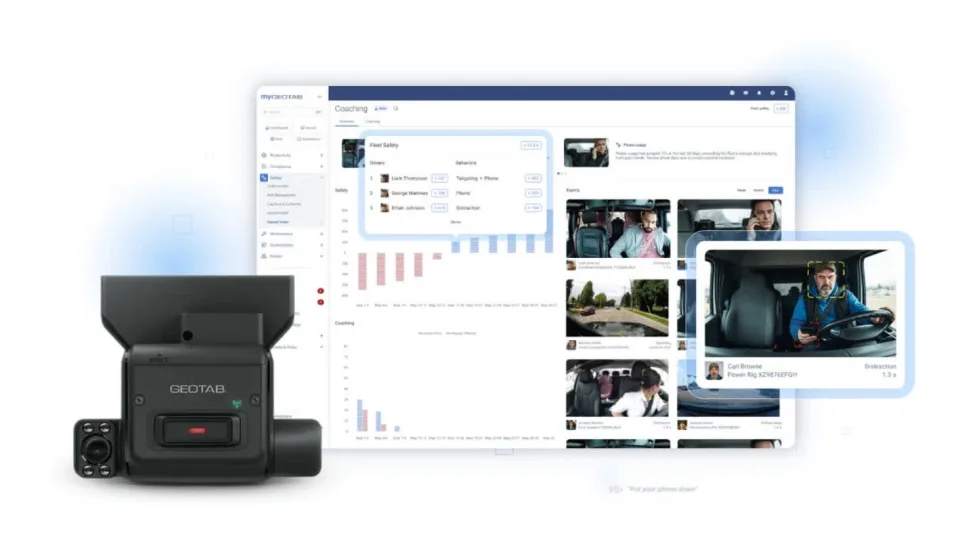
Geotab Expands Fleet Safety Tools With Video Coaching, Risk Insights
New safety and video capabilities aim to help fleet managers assess risk, support drivers, and take targeted action through video coaching, red-light violation detection, and more.
Read More →
How to Build a Better School Bus Driver Training Program
Is it time to strengthen your driver training? Here’s how to pick the right talent and improve recruitment, retention, and safety. This video is brought to you by IC Bus.
Read More →
Recent School Bus Accidents Leave 2 Dead, 2 Injured
Four school bus crashes in Florida, Illinois, and Georgia highlight risks in transportation lots, at bus stops, and during student loading and unloading.
Read More →
When Every Second Matters, Clarity Keeps Routes Moving
From routine delays to urgent incidents, strong communication practices help drivers, dispatchers, schools, and families respond with confidence.
Read More →
What Happens When a School Bus Catches Fire — and What Can Help
School bus fires are rare but can be devastating. Learn how advances in fire suppression and asset protection help fleets detect fires earlier, reduce damage, and improve safety.
Read More →
Geotab Launches Tool to Help Fleets Investigate Road Incidents
Geotab Investigations combines telematics data, video, documents, and other evidence to help fleets reconstruct incidents, resolve claims, and determine what happened.
Read More →
Texas Sixth Grader Wins 2026 National School Bus Safety Poster Contest
Sai Darshana Yekolu of Moseley Middle School in Prosper, Texas, was named the newest winner for her artwork, bringing the theme of “Safe Rides, Everyday Heroes” to life.
Read More →