



Plan Unveiled to Update South Carolina's School Bus Fleet
Half of the state’s 5,582 school buses are more than 15 years old. The state superintendent asks legislators to fund bus replacement as well as driver and technician pay increases.

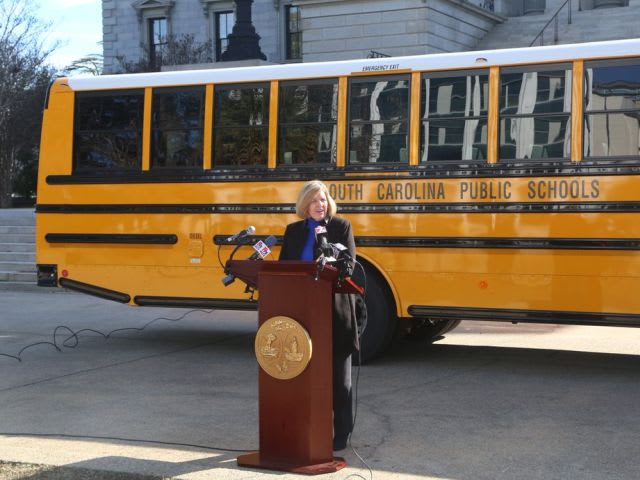
South Carolina Superintendent Molly Spearman, seen here at a press conference, has asked legislators to fund school bus replacement as well as driver and technician pay increases. Photo courtesy South Carolina DOE

COLUMBIA, S.C. — State Superintendent Molly Spearman has revealed a plan to update South Carolina’s aging school buses and to raise driver and technician salaries, asking legislators to allocate funding for both initiatives.
South Carolina is the only state in the nation that owns the school buses that transport students throughout the state. The South Carolina school bus fleet also carries the distinction of being one of the oldest in the nation. According to the South Carolina Department of Education (DOE), half of the state’s 5,582 buses are more than 15 years old.
In a press conference at the State House on Monday, with a yellow bus as a backdrop, Spearman called the need for school bus replacement a matter of safety as well as efficiency.
“As state superintendent, my top priority is and always will be the safety of our students,” Spearman said. “We can no longer wait to address the needs of our state’s student transportation system. I am committed to working tirelessly with our state’s leaders to ensure students have safe and reliable transportation for years to come.”
Along with owning its school buses, South Carolina fuels and maintains them. Forty-five percent of the buses were manufactured in 1995 or 1996. According to the state DOE, the older models cost more than twice as much per mile to operate than newer models.
South Carolina’s Act 79, passed in 2007, mandated a 15-year replacement cycle for school buses. However, according to the DOE, funding has been “episodic and heavily impacted by the Recession,” and it doesn’t account for the growth in the number of students in many parts of the state.
Spearman said that based on the current fleet size, a recurring appropriation of $34.1 million per year would be needed to maintain a 15-year replacement cycle.
To address the fleet issues, Spearman asked the General Assembly to fund the replacement of more than 1,000 of the state’s buses that are at least 20 years old. The superintendent also worked with the state treasurer and legislators to establish South Carolina’s first lease-to-purchase program for school buses, which will reportedly enable the DOE to obtain 175 buses immediately.
“As a taxpayer, I thank Superintendent Spearman for being tenacious in her search for the lowest-cost financial solution in providing newer, safer school buses for our children,” State Treasurer Curtis Loftis said in a statement. “The reduced financial and operating costs will save the state millions, and our schoolchildren and bus drivers will be safer.”
Spearman also asked the General Assembly to fund baseline salary increases for school bus drivers and technicians. The superintendent cited a national and statewide shortage of school bus drivers, and she also pointed to difficulty in recruiting and retaining school bus technicians because they are often paid less than their counterparts at other agencies, including the state Department of Transportation.
Watch Spearman’s press conference below.
More Maintenance

Noregon Introduces CAN Bus Diagnostic Tool, Expands JPRO Features
CAN Mentor and the latest JPRO update aim to simplify vehicle network diagnostics and improve repair efficiency for technicians of all experience levels.
Read More →
Cummins on Smarter, Simpler Engine Innovation
Cummins discusses its first-ever gasoline engine for school buses, EPA 2027, and why bus fleets still want durable, simpler internal combustion options.
Read More →
Report: 72% of Diesel School Buses Now Use Advanced Low-Emission Engines
New data shows advanced low-emission diesel technology continues expanding across school bus fleets, even as electric bus adoption gains momentum.
Read More →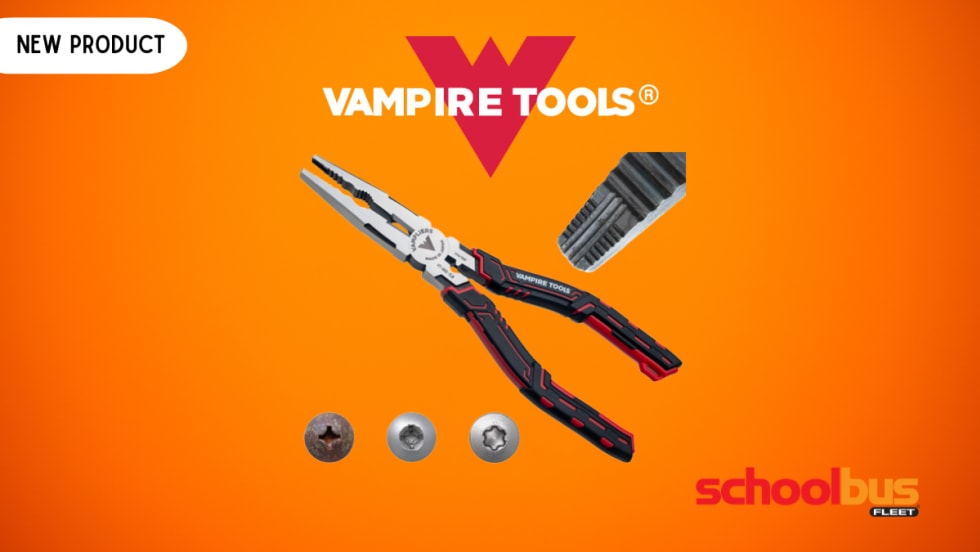
Vampire Tools' CAIMAN 7.5-Inch Multi-Purpose Screw Extractor Long-Nose Pliers with Crimper
Vampire Tools introduced the VAMPLIERS Caiman 7.5-inch multi-purpose pliers, combining screw extraction, cutting, crimping, and gripping functions into a single tool designed for fleet maintenance professionals.
Read More →
How Advanced Diagnostics Helps Bus Fleets Stay Ahead of Repairs
Chat with Noregon’s Kevin Smallhorn at ACT Expo about bus diagnostic tools, telematics integration, CNG maintenance support, and strategies to help reduce downtime and improve uptime.
Read More →
How School Bus Fleets are Getting Ahead of Breakdowns
Don’t let bus downtime wear you down. Here’s how bus operators are shifting from manual processes to AI-powered, data-driven maintenance systems for improved reliability and safety.
Read More →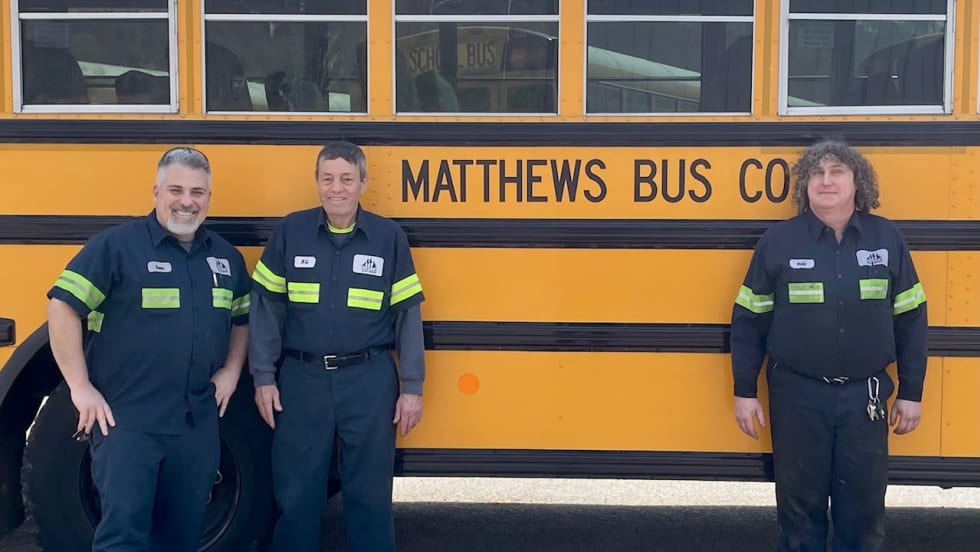
Pennsylvania School Bus Maintenance Team Praised for Dedication to Safety
Matthews Bus Company’s West Jefferson received a letter of commendation from the Pennsylvania State Police for their fleet inspections.
Read More →
From Chaos to Clarity: How School Districts Are Running Leaner Transportation Operations
Covering 38 routes on a Friday afternoon. Buses idling while routes overlap. Parents calling nonstop about late arrivals. Sound familiar? This whitepaper explores how district transportation leaders solved these exact problems — and what measurable results followed.
Read More →
2026 School Bus Fleet Vendor Directory & Buyer's Guide
Searching for the right equipment, technology, or services for your school transportation program? This industry guide brings together manufacturers and suppliers across the entire school bus market, all in one place. Download it to find the partners who can help move your operation forward.
Read More →
2026 School Bus Maintenance Survey
What top challenges are school bus maintenance teams facing in 2026? Explore new trends from School Bus Fleet’s annual maintenance survey covering fleet composition and age, fuel types, used vs. new purchasing patterns, technician pay and certifications, and the impact of the driver shortage. Survey sponsor: Dayton Parts.
Read More →