


NTSB stresses dangers of driver fatigue
WASHINGTON, D.C. — National Transportation Safety Board (NTSB) Chairman Mark Rosenker said Wednesday that National Sleep Awareness Week (March 3-...

WASHINGTON, D.C. — National Transportation Safety Board (NTSB) Chairman Mark Rosenker said Wednesday that National Sleep Awareness Week (March 3-9) should remind operators of vehicles in all modes of transportation about the inherent dangers of fatigue.
“The safety board is very concerned about reducing accidents and incidents caused by human fatigue,” Rosenker said. “We have seen numerous accidents where human fatigue was the probable cause or a contributing factor.”
Fatigue has been on the board's Most Wanted List of safety improvements since the list's inception in 1990.
The NTSB said that throughout its 41-year history, it has seen the issue of fatigue recur in many investigations of fatal accidents. As a result, the agency has studied operator fatigue and issued recommendations calling for improved scheduling regulations and practices, education for operators and employers on fatigue and sleep disorders, and research to better understand the risks associated with fatigue in transportation.
“Inadequate sleep puts the public at risk,” Rosenker said. “Improving the quantity and quality of our sleep can increase safety and save lives. It takes personal responsibility to ensure that you are well rested before embarking on a personal or professional trip.”
Information on the NTSB's recommendations dealing with fatigue can be found here.
More Safety
North Carolina Student Killed While Boarding School Bus, Two Die in Utah Bus Crash
A Southern Nash High School student died after being struck by a pickup truck while approaching her school bus. In a separate incident, two people were killed after crashing into a school bus in Utah.
Read More →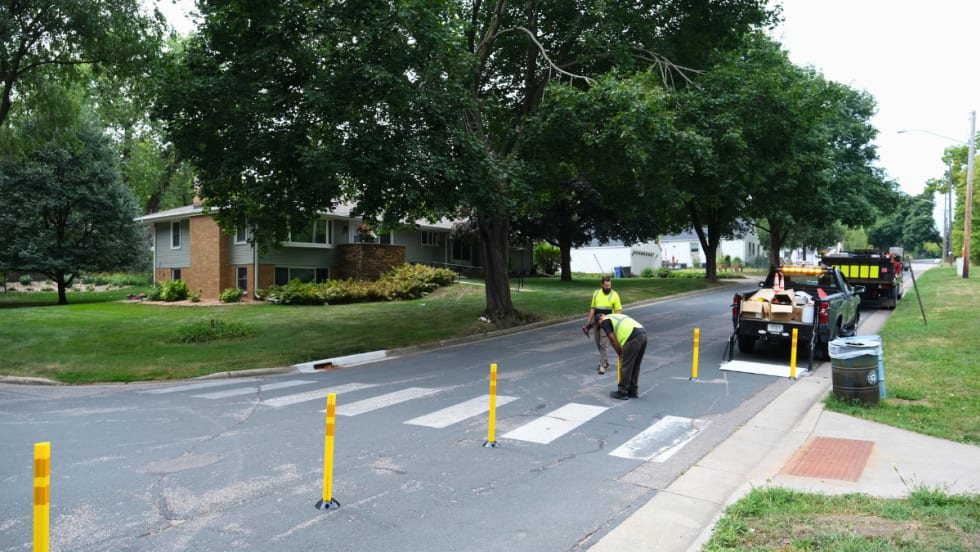
Minneapolis School Zone Pilot Cuts Speeding 41% with Low-Cost Street Design Changes
In a pilot project in Minnesota, two school-area intersections had low-cost, temporary road and traffic flow improvements made to measure the impact on roadway and student safety. Here's what they found.
Read More →
Sitestream, Safety Vision Partner with Connecticut City to Launch School Bus Stop-Arm Camera Program
The new enforcement initiative combines camera technology and violation management software to document illegal school bus passing, encourage driver compliance, and enhance student safety.
Read More →
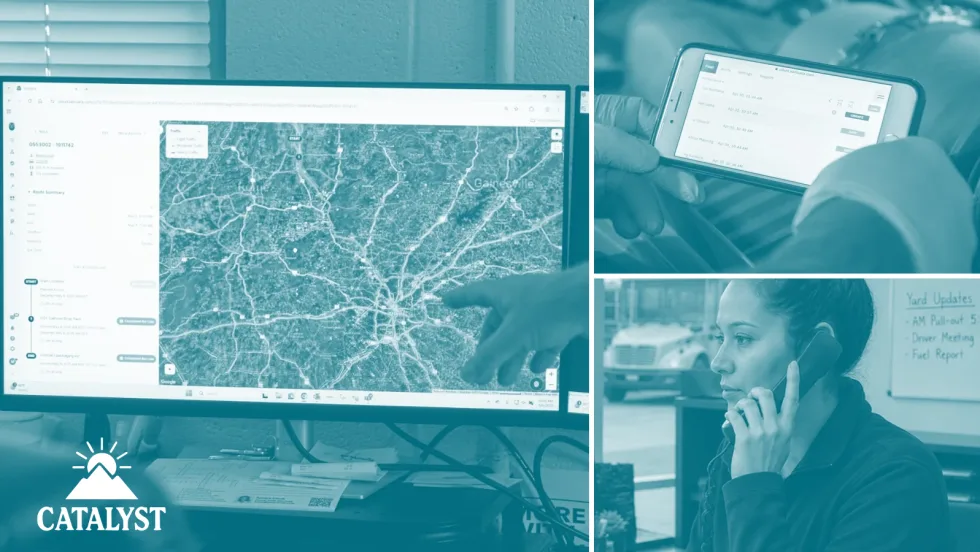
From Reactive to Proactive: Making Every Ride Visible
Smart technology only delivers its full value when it works together. See how Catalyst connects proven industry platforms to move student transportation from reactive to proactive.
Read More →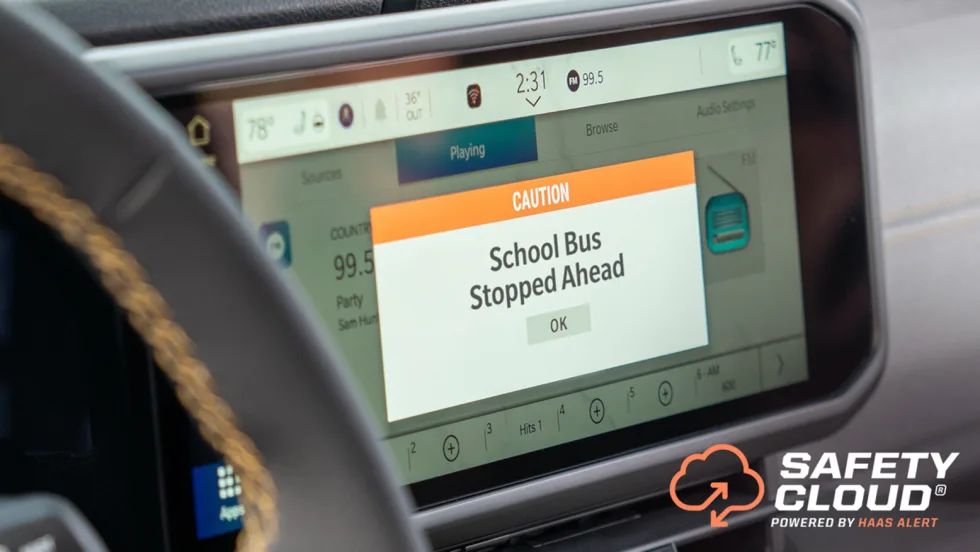
HAAS Alert’s Safety Cloud Warns Motorists of Stopped School Buses
Through a transponder or Samsara connection, the product lets school bus fleets send advance warnings to approaching drivers through in-vehicle alerts.
Read More →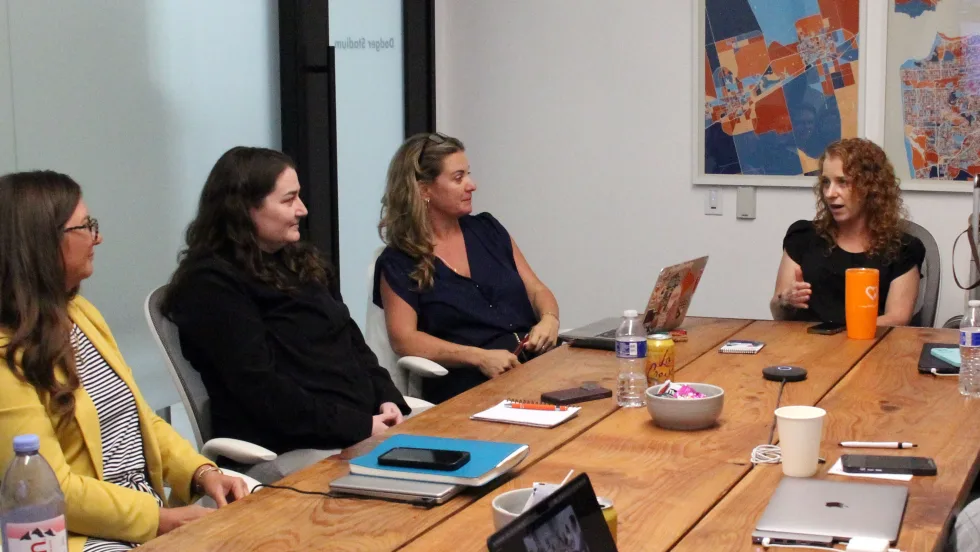
HopSkipDrive Reports Progress on Safety Advisory Council
More than a year after forming the council, independent safety experts have helped shape new rider-safety features and policy progress, with a new goal to address rider behavior.
Read More →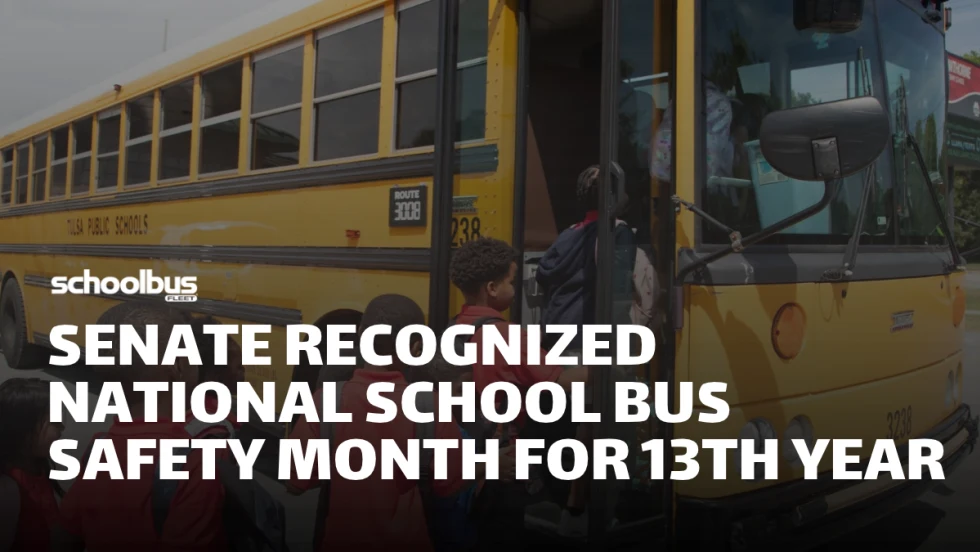
What the 2026 National School Bus Safety Month Resolution Means for Student Transportation
The bipartisan resolution highlights illegal school bus passing, student safety during loading and unloading, and the need for driver training and public education.
Read More →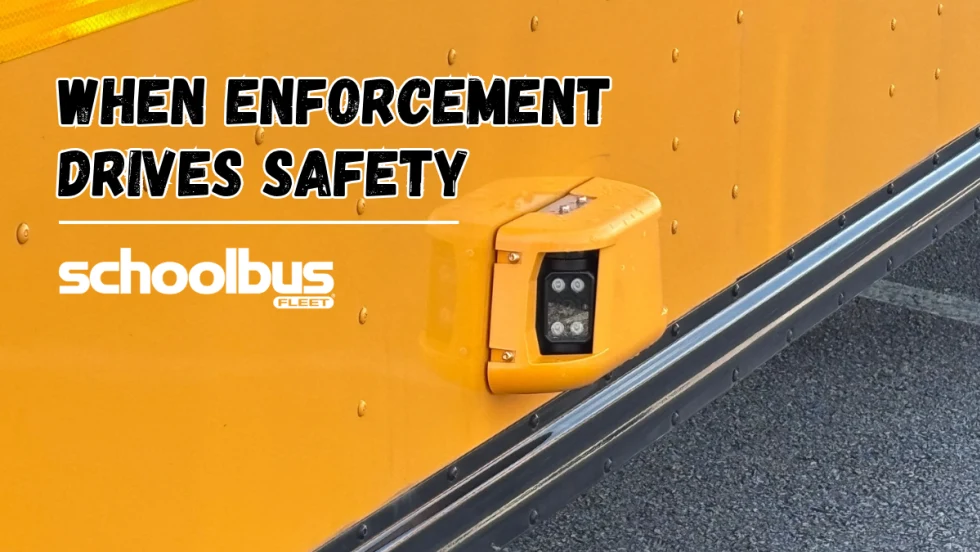
School Bus Stop-Arm Violations Decline 53% Across Verra Mobility Programs
Verra Mobility shares how school bus stop-arm cameras and school zone safety programs are changing driver behavior, reducing violations, and protecting students.
Read More →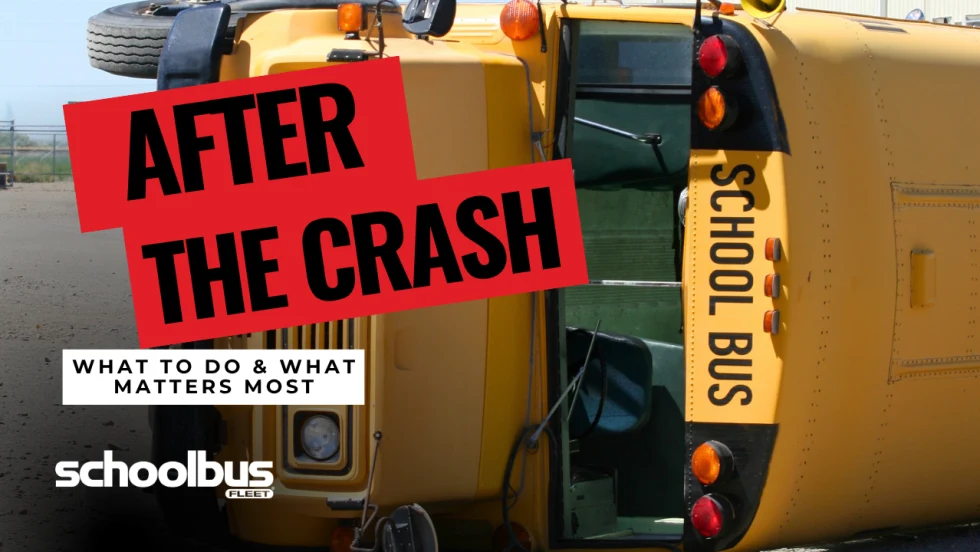
Most Bus Crashes Aren’t Your Fault. Here’s How to Prove It.
A guide for what to do in between a school bus crash and a claim: what to preserve, who to notify, and how to keep the facts available when they matter.
Read More →
National School Bus Safety Week 2026: Tips, Toolkits & Resources to Keep Students Safe
School bus safety takes more than awareness. Explore expert tips, enforcement strategies, and free resources to help protect students on every ride.
Read More →