




NTSB Still Seeking Probable Cause of Chattanooga School Bus Crash
The agency releases a preliminary report with a few new details, including confirmation that the driver had been in two school bus crashes since the start of the school year.

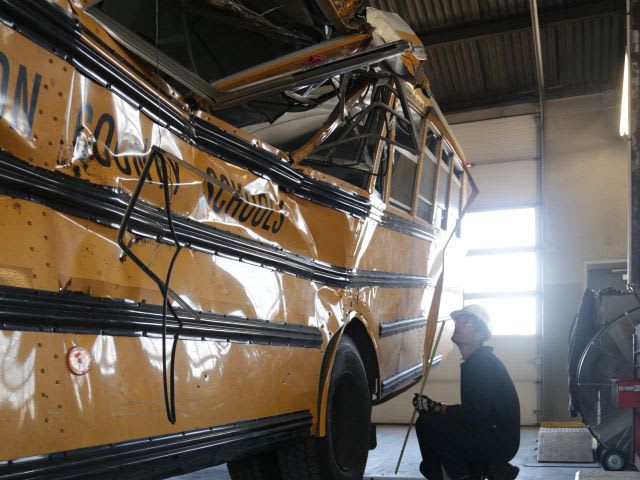
NTSB’s preliminary report on the Chattanooga crash offers a few new details, including confirmation that the driver had been in two school bus crashes since the start of the school year. Photo courtesy NTSB
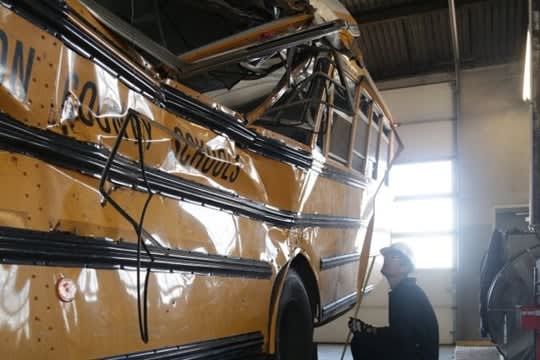
NTSB’s preliminary report on the Chattanooga crash offers a few new details, including confirmation that the driver had been in two school bus crashes since the start of the school year.
The National Transportation Safety Board (NTSB) has released a preliminary report with a few new details on the recent fatal school bus crash in Chattanooga, Tennessee, including confirmation that the driver had been in two earlier crashes since the start of the school year.
After having wrapped up its on-scene work in Chattanooga in early December, NTSB is continuing to analyze the incident at its headquarters in Washington. At this point, the agency has not identified a probable cause of the crash.
“All aspects of the crash remain under investigation as the NTSB seeks to determine the probable cause, with the intent of issuing safety recommendations to prevent similar crashes,” the agency said in the preliminary report.
Much of the information in the preliminary report has already been released by investigators. Six students were killed and 31 were injured in the Nov. 21 crash in Chattanooga. The school bus driver, Johnthony Walker, 24, received minor injuries. The bus, a 2008 Thomas Built 84-passenger Type D model, was operated by Durham School Services.
The crash occurred on a two-lane road with a 30 mph speed limit and an advisory speed of 25 mph for curves. According to NTSB’s preliminary report, Walker lost control of the bus and departed the roadway to the left as he passed the second of two curves. The bus then hit a utility pole, overturned, and crashed into a tree, which caused the roof of the bus to collapse inward.
NTSB does not give any indication of the speed of the bus in its preliminary report, but police in Tennessee have estimated that it was traveling at about 50 mph.
Walker had been employed with Durham since April 2016. NTSB said that at the time of the crash, he was licensed and had a current commercial driver medical certificate. His preliminary toxicology test results were negative for alcohol and illicit drugs.
NTSB said that since the beginning of the school year in August, Walker had had one reportable crash and one non-reportable crash — both while operating school buses. NTSB’s preliminary report also reiterates a previously stated finding that Walker had apparently deviated from his normal route when the November crash occurred. Why the school bus driver may have been off route remains unclear.
Meanwhile, NTSB investigators are continuing to collect and analyze evidence from multiple systems on the bus that were capable of recording and transmitting event-related data.
The agency’s preliminary report is available here.
More Safety

HopSkipDrive Reports Progress on Safety Advisory Council
More than a year after forming the council, independent safety experts have helped shape new rider-safety features and policy progress, with a new goal to address rider behavior.
Read More →
What the 2026 National School Bus Safety Month Resolution Means for Student Transportation
The bipartisan resolution highlights illegal school bus passing, student safety during loading and unloading, and the need for driver training and public education.
Read More →
School Bus Stop-Arm Violations Decline 53% Across Verra Mobility Programs
Verra Mobility shares how school bus stop-arm cameras and school zone safety programs are changing driver behavior, reducing violations, and protecting students.
Read More →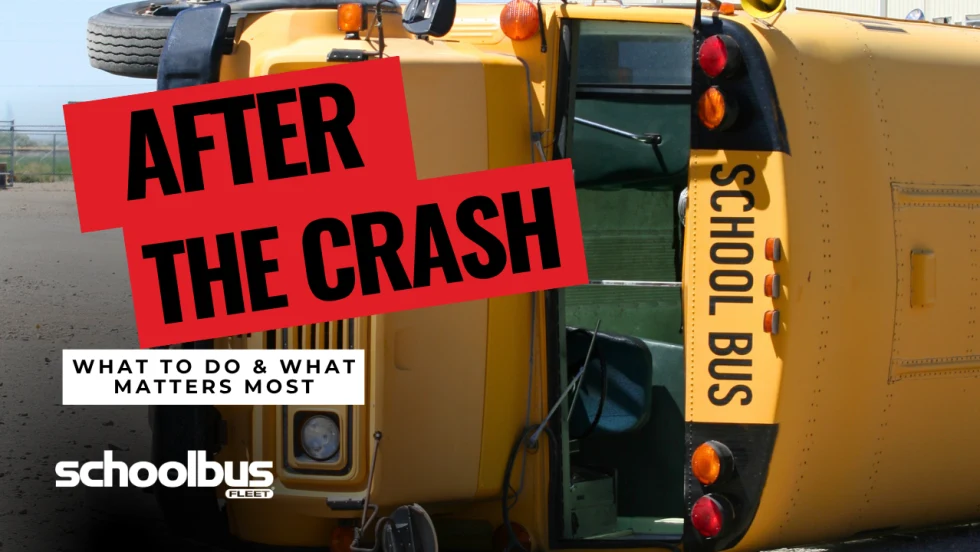
Most Bus Crashes Aren’t Your Fault. Here’s How to Prove It.
A guide for what to do in between a school bus crash and a claim: what to preserve, who to notify, and how to keep the facts available when they matter.
Read More →
National School Bus Safety Week 2026: Tips, Toolkits & Resources to Keep Students Safe
School bus safety takes more than awareness. Explore expert tips, enforcement strategies, and free resources to help protect students on every ride.
Read More →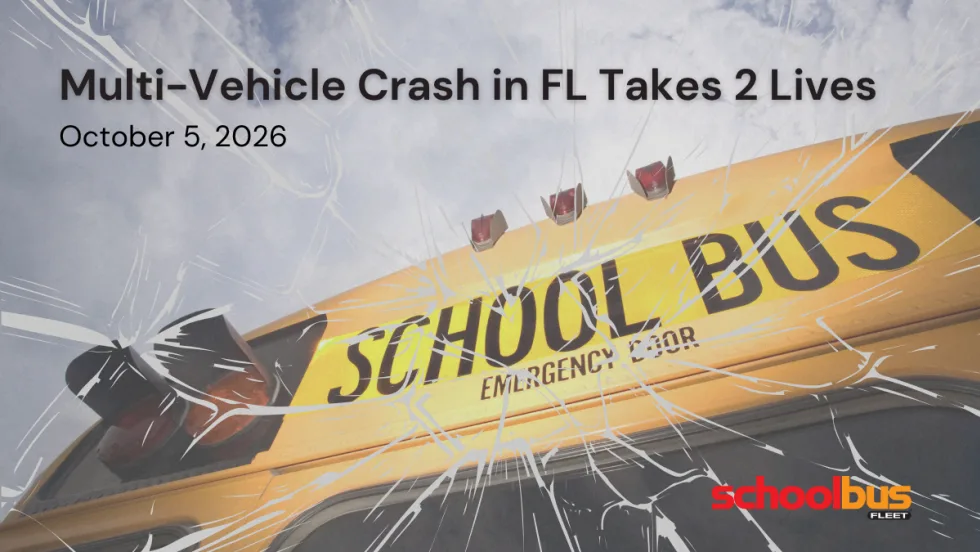
2 Killed, Dozens Injured in Florida School Bus Crash
A multi-vehicle collision caused a Polk County school bus carrying 37 students to overturn on its way to Winter Haven High School.
Read More →
Illegal School Bus Passing Drops 24% in New York Districts
With fewer than 5% of citations involving repeat offenders, Westchester County officials said enforcement, education, and community partnerships are helping change driver behavior.
Read More →
School's Back. Here's What Happened to Traffic, Speeding & Distraction
What happens to traffic when school resumes? New data analysis examines changes in distracted driving, congestion, and speeding around schools.
Read More →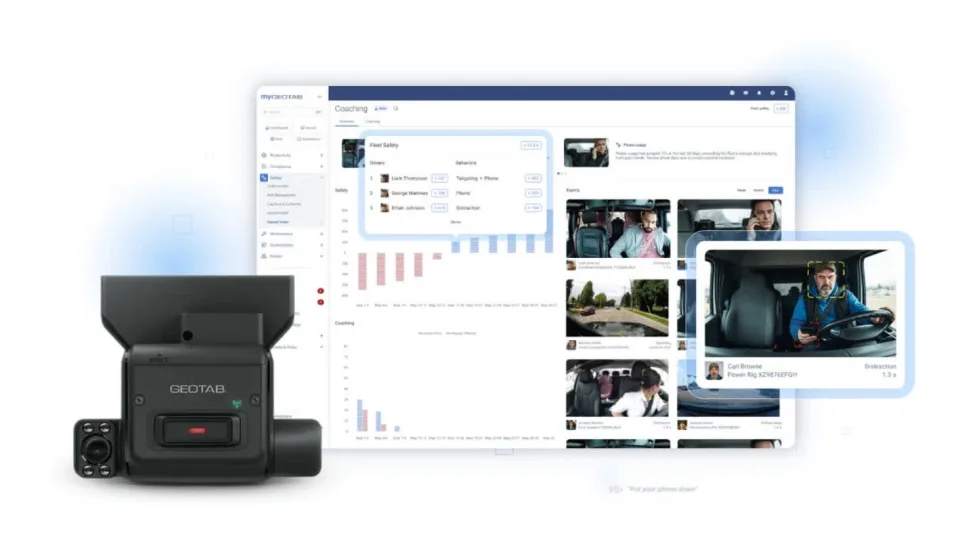
Geotab Expands Fleet Safety Tools With Video Coaching, Risk Insights
New safety and video capabilities aim to help fleet managers assess risk, support drivers, and take targeted action through video coaching, red-light violation detection, and more.
Read More →
How to Build a Better School Bus Driver Training Program
Is it time to strengthen your driver training? Here’s how to pick the right talent and improve recruitment, retention, and safety. This video is brought to you by IC Bus.
Read More →