




NTSB cites need for tire pressure monitors
After investigating a fatal motorcoach crash in which a steer-axle tire failed, the safety agency recommends that NHTSA require all new motor vehicles over 10,000 pounds — which would include large school buses — to be equipped with the monitoring systems.

WASHINGTON, D.C. — After investigating a fatal motorcoach crash in which a tire failed, the National Transportation Safety Board (NTSB) recommended that all new motor vehicles over 10,000 pounds — which would include large school buses — be required to have tire pressure monitoring systems.
Such systems inform drivers of the actual tire pressures on their vehicles.
The recommendation to the National Highway Traffic Safety Administration (NHTSA) was one of several in response to the 2008 motorcoach accident in Sherman, Texas, that killed 17 people and injured 39.
In that accident, the right steer axle tire failed as the motorcoach approached a bridge at about 68 mph. The vehicle then went through the railing and off the bridge, falling about 8 feet and sliding about 24 feet on its side before coming to rest.
NTSB determined that the probable cause of the crash was the failure of the tire, due to an extended period of low-pressure operation, which resulted in sidewall, belting and body-ply separation within the tire, leading to loss of vehicle control.
To view a synopsis of the NTSB’s report on the crash and its recommendations to NHTSA and other organizations, click here.
More Safety
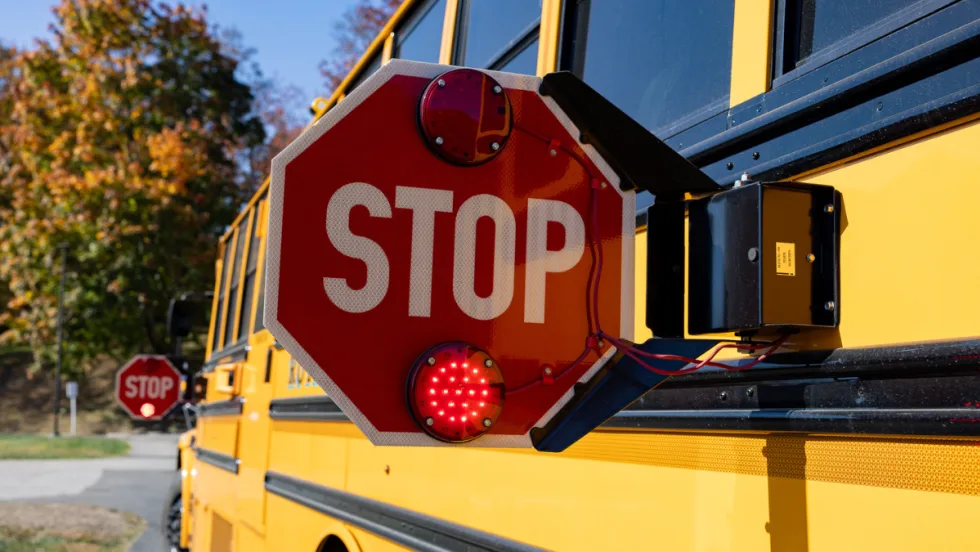
Illegal School Bus Passing Drops 24% in New York Districts
With fewer than 5% of citations involving repeat offenders, Westchester County officials said enforcement, education, and community partnerships are helping change driver behavior.
Read More →
School's Back. Here's What Happened to Traffic, Speeding & Distraction
What happens to traffic when school resumes? New data analysis examines changes in distracted driving, congestion, and speeding around schools.
Read More →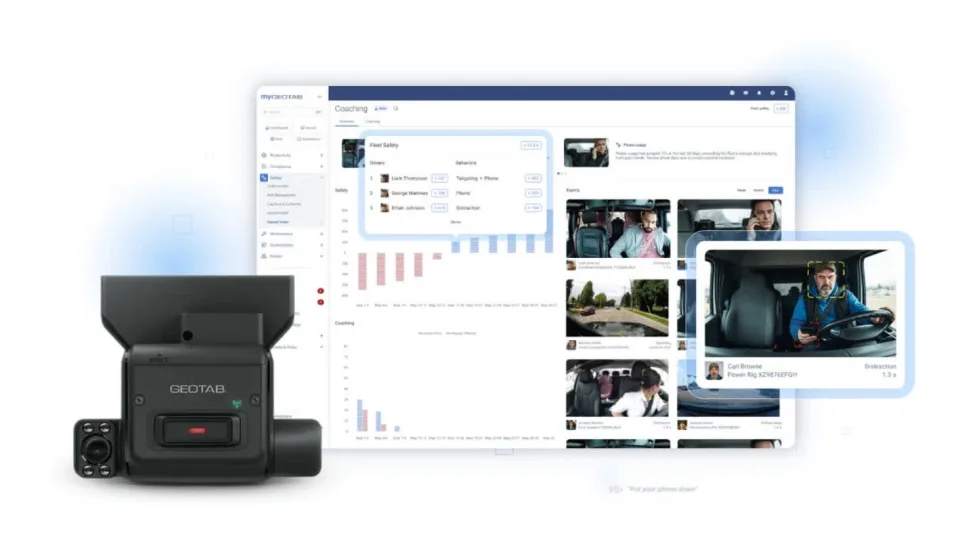
Geotab Expands Fleet Safety Tools With Video Coaching, Risk Insights
New safety and video capabilities aim to help fleet managers assess risk, support drivers, and take targeted action through video coaching, red-light violation detection, and more.
Read More →
How to Build a Better School Bus Driver Training Program
Is it time to strengthen your driver training? Here’s how to pick the right talent and improve recruitment, retention, and safety. This video is brought to you by IC Bus.
Read More →
Recent School Bus Accidents Leave 2 Dead, 2 Injured
Four school bus crashes in Florida, Illinois, and Georgia highlight risks in transportation lots, at bus stops, and during student loading and unloading.
Read More →
When Every Second Matters, Clarity Keeps Routes Moving
From routine delays to urgent incidents, strong communication practices help drivers, dispatchers, schools, and families respond with confidence.
Read More →
What Happens When a School Bus Catches Fire — and What Can Help
School bus fires are rare but can be devastating. Learn how advances in fire suppression and asset protection help fleets detect fires earlier, reduce damage, and improve safety.
Read More →
Geotab Launches Tool to Help Fleets Investigate Road Incidents
Geotab Investigations combines telematics data, video, documents, and other evidence to help fleets reconstruct incidents, resolve claims, and determine what happened.
Read More →
Texas Sixth Grader Wins 2026 National School Bus Safety Poster Contest
Sai Darshana Yekolu of Moseley Middle School in Prosper, Texas, was named the newest winner for her artwork, bringing the theme of “Safe Rides, Everyday Heroes” to life.
Read More →
Doing More With Less: How Transportation Directors Can Prioritize Safety Amid Budget Uncertainty
With diesel prices soaring and nearly one-third of transportation directors expecting budget cuts, maintaining student safety has never been more challenging. Download this guide to learn how leading districts are prioritizing risk, funding critical safety technology, and building stronger budget cases with data.
Read More →