


NTSB cites design flaw in I-35W bridge collapse
WASHINGTON, D.C. — The National Transportation Safety Board (NTSB) today issued a safety recommendation that addresses a design issue with the Minnea...

WASHINGTON, D.C. — The National Transportation Safety Board (NTSB) today issued a safety recommendation that addresses a design issue with the Minneapolis I-35W bridge, which collapsed into the Mississippi River in August.
The accident killed 13 people and injured 145. Among the vehicles on the bridge was a school bus carrying more than 60 passengers, but all were safely evacuated.
"Although the board's investigation is still ongoing and no determination of probable cause has been reached, interim findings in the investigation have revealed a safety issue that warrants attention," said NTSB Chairman Mark V. Rosenker. "During the wreckage recovery, investigators discovered that gusset plates at eight different joint locations in the main center span were fractured.”
The NTSB and the Federal Highway Administration (FHWA) reviewed the design of the bridge, with an emphasis on the design of the gusset plates. The review discovered that the original design process of the I-35W bridge led to a critical error in sizing some of the gusset plates in the main truss.
The recommendation, made to the FHWA and states, calls for bridge owners to conduct load capacity calculations before making modifications. To read the full recommendation, click here.
More Safety
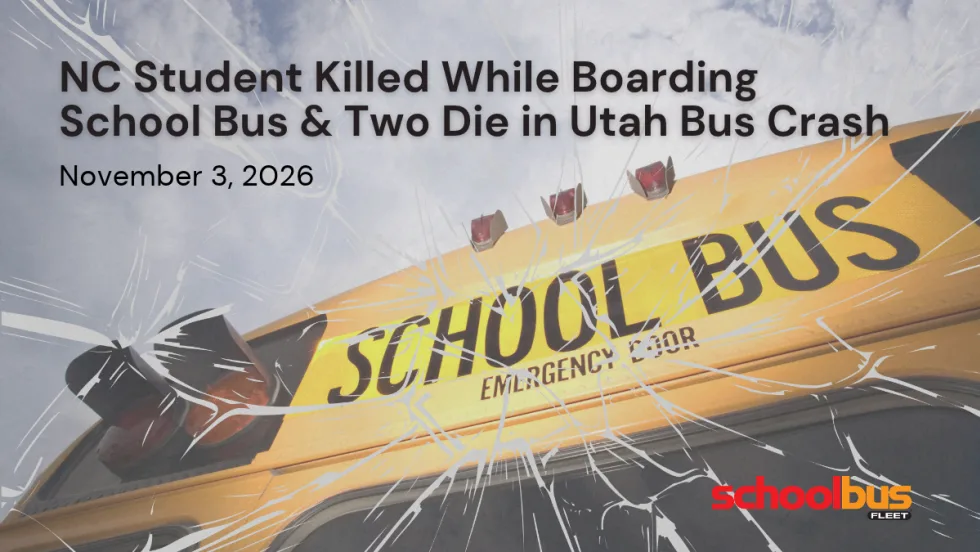
North Carolina Student Killed While Boarding School Bus, Two Die in Utah Bus Crash
A Southern Nash High School student died after being struck by a pickup truck while approaching her school bus. In a separate incident, two people were killed after crashing into a school bus in Utah.
Read More →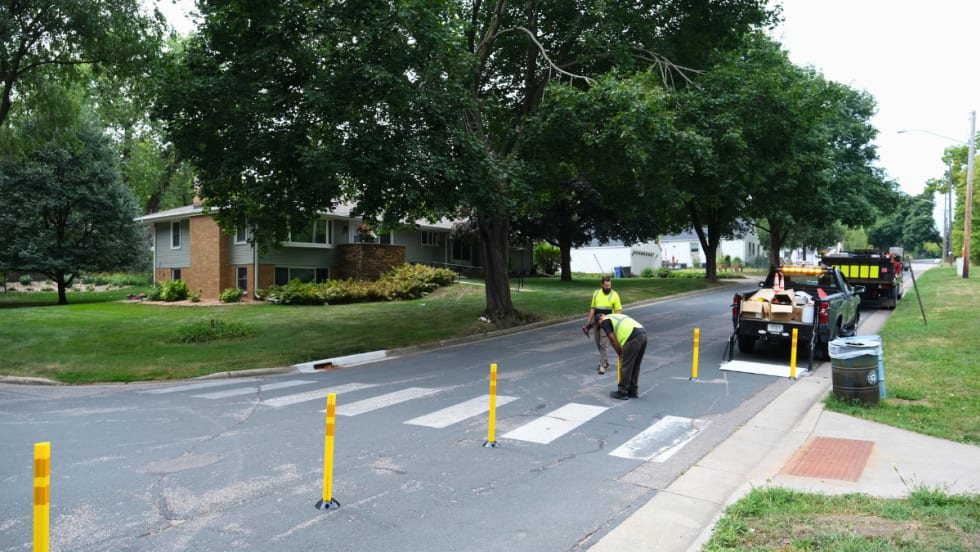
Minneapolis School Zone Pilot Cuts Speeding 41% with Low-Cost Street Design Changes
In a pilot project in Minnesota, two school-area intersections had low-cost, temporary road and traffic flow improvements made to measure the impact on roadway and student safety. Here's what they found.
Read More →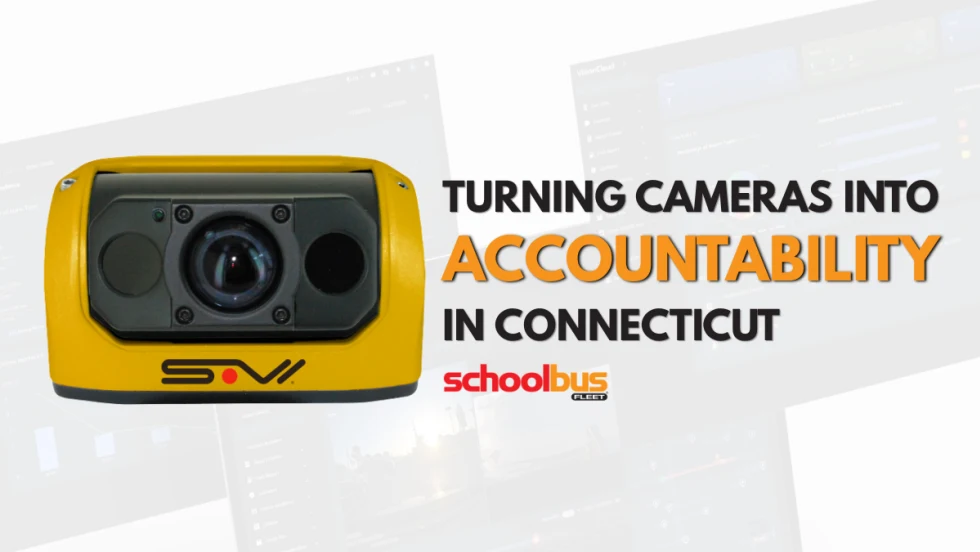
Sitestream, Safety Vision Partner with Connecticut City to Launch School Bus Stop-Arm Camera Program
The new enforcement initiative combines camera technology and violation management software to document illegal school bus passing, encourage driver compliance, and enhance student safety.
Read More →
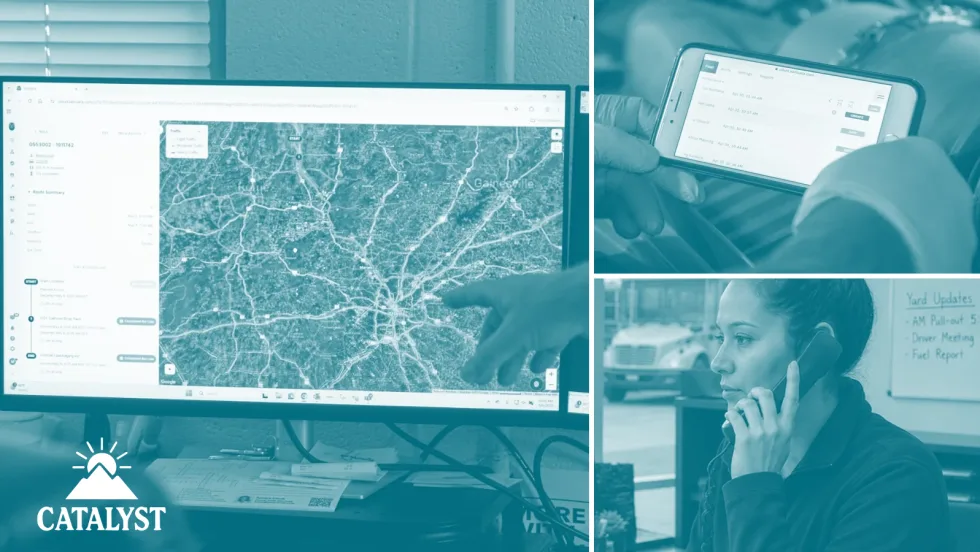
From Reactive to Proactive: Making Every Ride Visible
Smart technology only delivers its full value when it works together. See how Catalyst connects proven industry platforms to move student transportation from reactive to proactive.
Read More →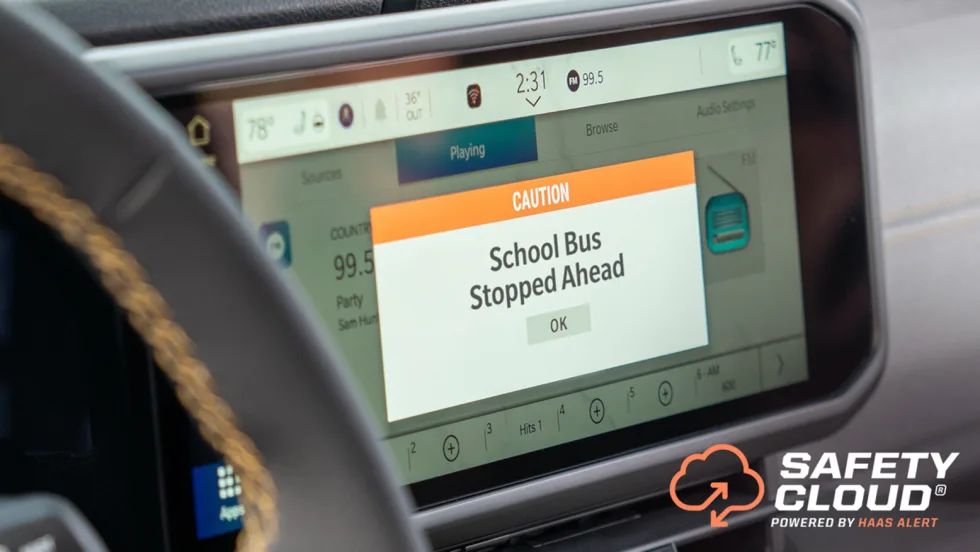
HAAS Alert’s Safety Cloud Warns Motorists of Stopped School Buses
Through a transponder or Samsara connection, the product lets school bus fleets send advance warnings to approaching drivers through in-vehicle alerts.
Read More →
HopSkipDrive Reports Progress on Safety Advisory Council
More than a year after forming the council, independent safety experts have helped shape new rider-safety features and policy progress, with a new goal to address rider behavior.
Read More →
What the 2026 National School Bus Safety Month Resolution Means for Student Transportation
The bipartisan resolution highlights illegal school bus passing, student safety during loading and unloading, and the need for driver training and public education.
Read More →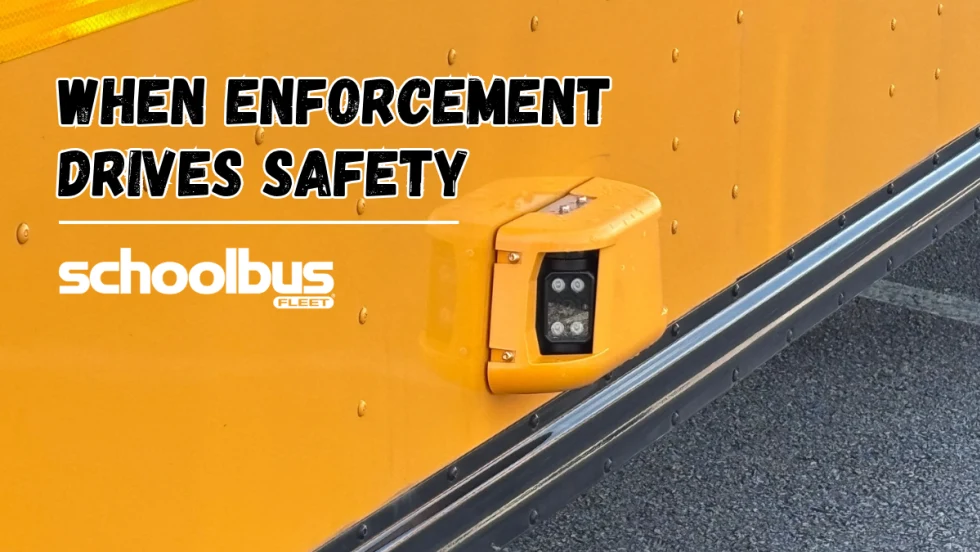
School Bus Stop-Arm Violations Decline 53% Across Verra Mobility Programs
Verra Mobility shares how school bus stop-arm cameras and school zone safety programs are changing driver behavior, reducing violations, and protecting students.
Read More →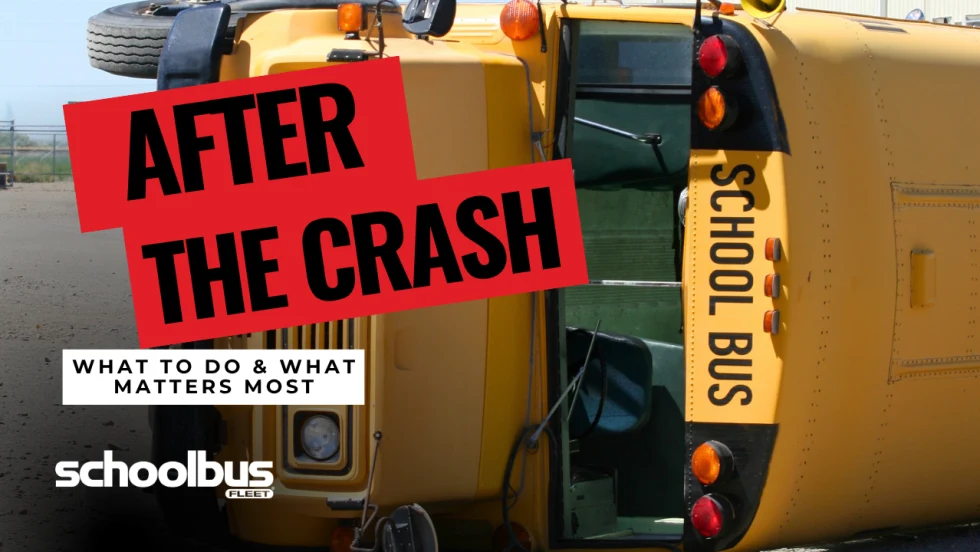
Most Bus Crashes Aren’t Your Fault. Here’s How to Prove It.
A guide for what to do in between a school bus crash and a claim: what to preserve, who to notify, and how to keep the facts available when they matter.
Read More →
National School Bus Safety Week 2026: Tips, Toolkits & Resources to Keep Students Safe
School bus safety takes more than awareness. Explore expert tips, enforcement strategies, and free resources to help protect students on every ride.
Read More →