




NSTA covers safety issues, funding in D.C.
The school bus contractors association meets with U.S. congressmen and senators on Capitol Hill. Topics covered include funding for the Diesel Emissions Reduction Act and the relationship between public and private busing.

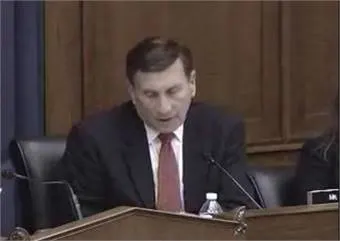
U.S. Rep. John Mica (center) spoke at NSTA’s Capitol Hill visit. He is pictured with NSTA President Magda Dimmendaal and United Motorcoach Association Chairman Bill Allen.
WASHINGTON, D.C. — National School Transportation Association (NSTA) members participated in more than 130 congressional meetings across Capitol Hill this week.
The school bus contractors association’s annual spring “Bus-In,” held from Tuesday through Thursday, included member committee meetings, a panel on the 2012 presidential race and a series of presentations from transportation and environmental experts, including House Transportation and Infrastructure Chairman John Mica.
Issues discussed in Senate and congressional meetings included the surface transportation reauthorization conference, school bus safety issues, and the relationship between public and private busing. Funding for the Diesel Emissions Reduction Act was another key topic.
Becky Weber of the Prime Policy Group, which organized the event, told NSTA members, “You are here this week to exercise your First Amendment right. This is one of the most important things you can do as an American citizen.”
NSTA President Magda Dimmendaal, President-Elect Tim Flood, Secretary-Treasurer Todd Monteferrario and Past-President Donnie Fowler were among those in attendance, along with Association and Industry Development Chairman Rob Nelson and Government Relations Chairman John Corr.
More Safety
School's Back. Here's What Happened to Traffic, Speeding & Distraction
What happens to traffic when school resumes? New data analysis examines changes in distracted driving, congestion, and speeding around schools.
Read More →
Geotab Expands Fleet Safety Tools With Video Coaching, Risk Insights
New safety and video capabilities aim to help fleet managers assess risk, support drivers, and take targeted action through video coaching, red-light violation detection, and more.
Read More →
How to Build a Better School Bus Driver Training Program
Is it time to strengthen your driver training? Here’s how to pick the right talent and improve recruitment, retention, and safety. This video is brought to you by IC Bus.
Read More →

Recent School Bus Accidents Leave 2 Dead, 2 Injured
Four school bus crashes in Florida, Illinois, and Georgia highlight risks in transportation lots, at bus stops, and during student loading and unloading.
Read More →
When Every Second Matters, Clarity Keeps Routes Moving
From routine delays to urgent incidents, strong communication practices help drivers, dispatchers, schools, and families respond with confidence.
Read More →
What Happens When a School Bus Catches Fire — and What Can Help
School bus fires are rare but can be devastating. Learn how advances in fire suppression and asset protection help fleets detect fires earlier, reduce damage, and improve safety.
Read More →
Geotab Launches Tool to Help Fleets Investigate Road Incidents
Geotab Investigations combines telematics data, video, documents, and other evidence to help fleets reconstruct incidents, resolve claims, and determine what happened.
Read More →
Texas Sixth Grader Wins 2026 National School Bus Safety Poster Contest
Sai Darshana Yekolu of Moseley Middle School in Prosper, Texas, was named the newest winner for her artwork, bringing the theme of “Safe Rides, Everyday Heroes” to life.
Read More →
Doing More With Less: How Transportation Directors Can Prioritize Safety Amid Budget Uncertainty
With diesel prices soaring and nearly one-third of transportation directors expecting budget cuts, maintaining student safety has never been more challenging. Download this guide to learn how leading districts are prioritizing risk, funding critical safety technology, and building stronger budget cases with data.
Read More →
Walton County Schools Adds Gatekeeper Stop-Arm Enforcement System
The Florida district will deploy Gatekeeper’s updated Student Protector technology, which now incorporates AI to improve video evidence.
Read More →