




NHTSA targets release of school bus final rule
ATLANTA — The National Highway Traffic Safety Administration (NHTSA) plans to issue a final rule on school bus safety early next year. The ru...

ATLANTA — The National Highway Traffic Safety Administration (NHTSA) plans to issue a final rule on school bus safety early next year.
The rule will be the result of the agency’s Notice of Proposed Rulemaking (NPRM) from last year that recommended changes to enhance school bus passenger crash protection.
Terrance Schiavone, southeastern regional administrator for NHTSA, gave an update on the rulemaking effort at the Southeastern States Pupil Transportation Conference in Atlanta last week.
The key proposals of the NPRM are to require lap-shoulder belts on small school buses, provide guidance for voluntary installation of lap-shoulder belts on large buses, and raise the minimum seat back height from 20 to 24 inches on all new school buses.
Schiavone said that the NPRM drew more than 120 comments from the general public, school transportation providers, bus and seat belt manufacturers, industry associations and other groups.
Among those who commented from the general public, 75 percent favored installation of seat belts on school buses. School transportation providers and manufacturers generally supported the NPRM’s proposal to develop voluntary standards for lap-shoulder belts on large school buses.
Schiavone said that NHTSA is currently testing new lap-shoulder-belt-equipped school bus seats made by SafeGuard and M2K. The testing is scheduled to be completed this fall.
After the crash tests and NPRM comment analysis have been completed, the final rule will be issued. Schiavone said that NHTSA expects to issue the final rule in winter 2009.
More Safety
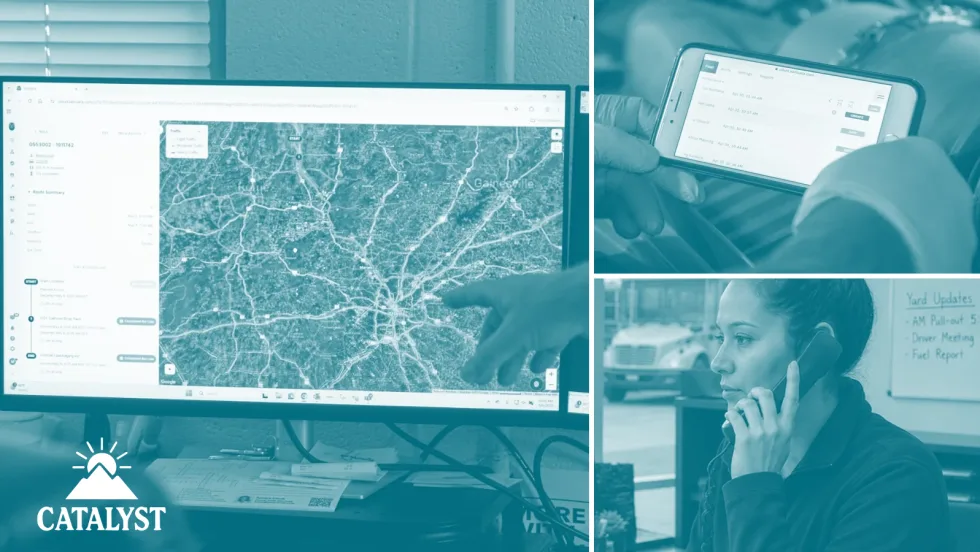
From Reactive to Proactive: Making Every Ride Visible
Smart technology only delivers its full value when it works together. See how Catalyst connects proven industry platforms to move student transportation from reactive to proactive.
Read More →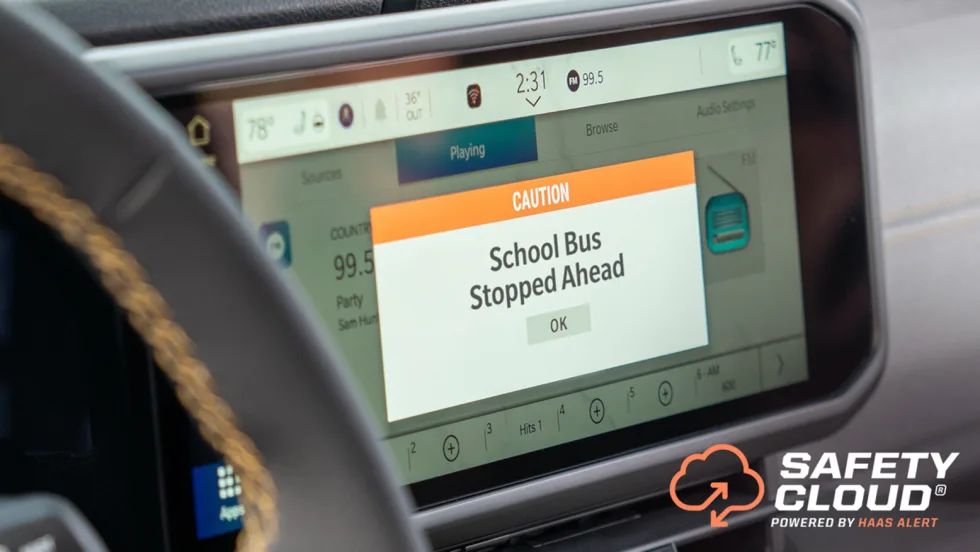
HAAS Alert’s Safety Cloud Warns Motorists of Stopped School Buses
Through a transponder or Samsara connection, the product lets school bus fleets send advance warnings to approaching drivers through in-vehicle alerts.
Read More →
HopSkipDrive Reports Progress on Safety Advisory Council
More than a year after forming the council, independent safety experts have helped shape new rider-safety features and policy progress, with a new goal to address rider behavior.
Read More →
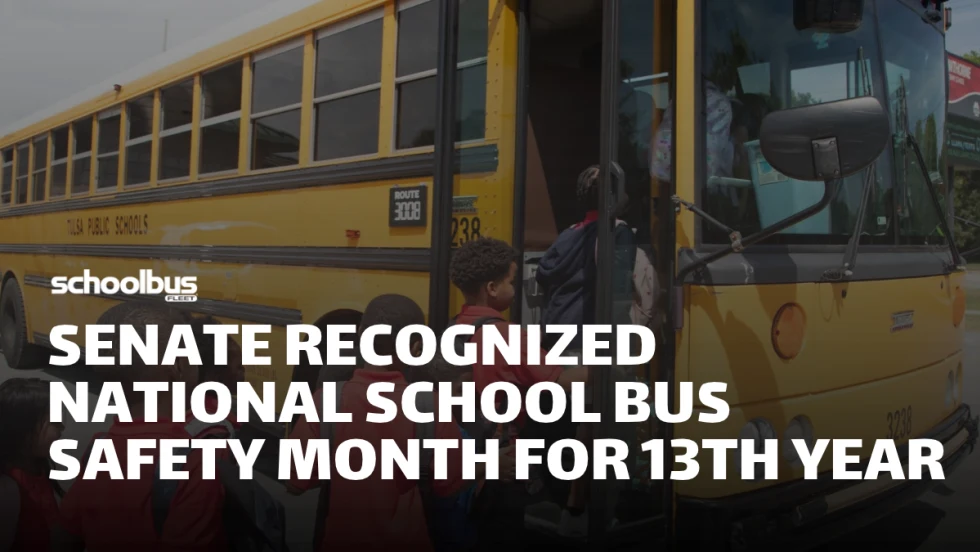
What the 2026 National School Bus Safety Month Resolution Means for Student Transportation
The bipartisan resolution highlights illegal school bus passing, student safety during loading and unloading, and the need for driver training and public education.
Read More →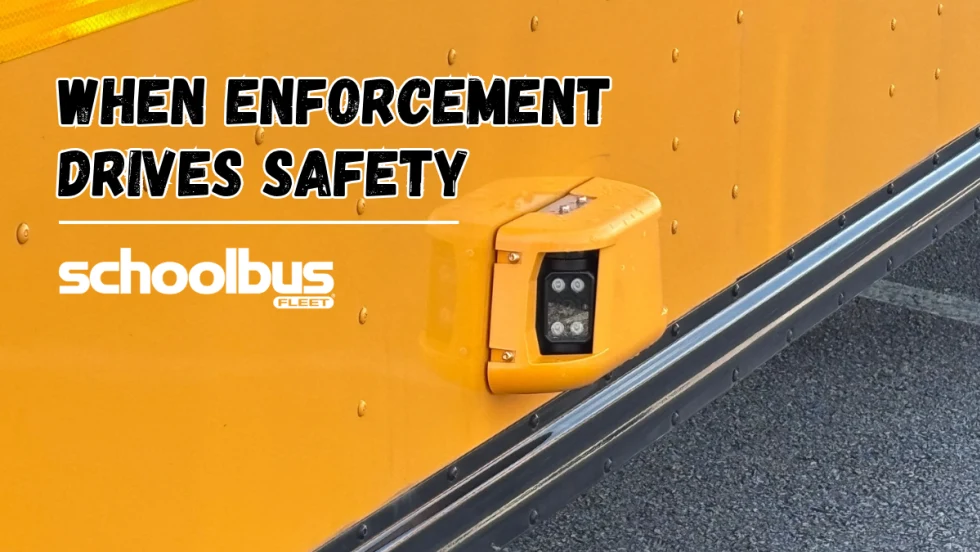
School Bus Stop-Arm Violations Decline 53% Across Verra Mobility Programs
Verra Mobility shares how school bus stop-arm cameras and school zone safety programs are changing driver behavior, reducing violations, and protecting students.
Read More →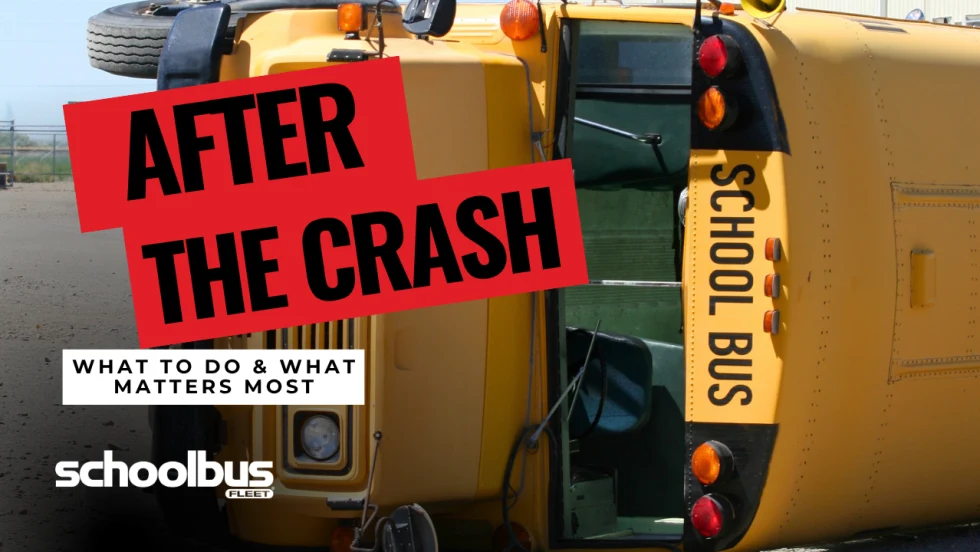
Most Bus Crashes Aren’t Your Fault. Here’s How to Prove It.
A guide for what to do in between a school bus crash and a claim: what to preserve, who to notify, and how to keep the facts available when they matter.
Read More →
National School Bus Safety Week 2026: Tips, Toolkits & Resources to Keep Students Safe
School bus safety takes more than awareness. Explore expert tips, enforcement strategies, and free resources to help protect students on every ride.
Read More →
2 Killed, Dozens Injured in Florida School Bus Crash
A multi-vehicle collision caused a Polk County school bus carrying 37 students to overturn on its way to Winter Haven High School.
Read More →
Illegal School Bus Passing Drops 24% in New York Districts
With fewer than 5% of citations involving repeat offenders, Westchester County officials said enforcement, education, and community partnerships are helping change driver behavior.
Read More →
School's Back. Here's What Happened to Traffic, Speeding & Distraction
What happens to traffic when school resumes? New data analysis examines changes in distracted driving, congestion, and speeding around schools.
Read More →