



New System From Rotary Designed for Easier Wheel Alignment
The R5000HD Commercial Truck Alignment System can eliminate the need for rolling compensation, according to the supplier.

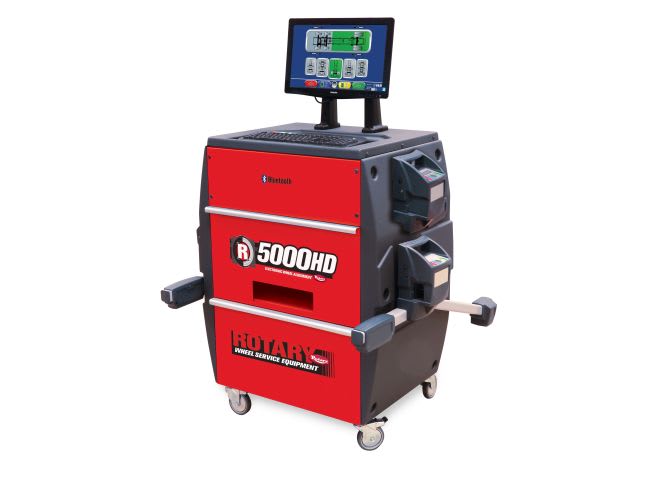
The R5000HD Commercial Truck Alignment System can eliminate the need for rolling compensation, according to Rotary.
The R5000HD Commercial Truck Alignment System can eliminate the need for rolling compensation, according to Rotary.
MADISON, Ind. — Rotary has introduced a new wheel alignment system that is designed to make aligning heavy-duty buses and other vehicles easier.
The R5000HD Commercial Truck Alignment System can eliminate the need for rolling compensation that is required by other systems, according to the supplier.
“Many heavy-duty shops are looking to increase revenue by adding wheel alignment services or improving their alignment efficiency," said Jeff Vervoort, wheel service sales and technical trainer for Rotary. "Heavy-duty alignment is a lucrative business. The average cost for a typical wheel alignment on a car is about $100 to $120, but for a tractor trailer, it’s $250 and up, so the equipment can pay for itself pretty quickly.”
The alignment system contacts the wheel at the bolt circle instead of at the outer edge, which can take the guesswork out of alignments and eliminate additional labor time, expense, and physical effort associated with compensation. It can also reduce labor time by automatically measuring the axle offset on every alignment electronically, and notifying the technician of any problems.
The system doesn’t require a tower at the front of the bay, has no minimum bay size requirements, and the portable aligner console can be conveniently positioned anywhere in available bay space, according to Rotary.
The R5000HD also features infrared transmission among measuring heads. Each measuring head has controls to allow technicians to control the alignment process without having to return to the console, which can be located up to 59 feet away.
More Maintenance
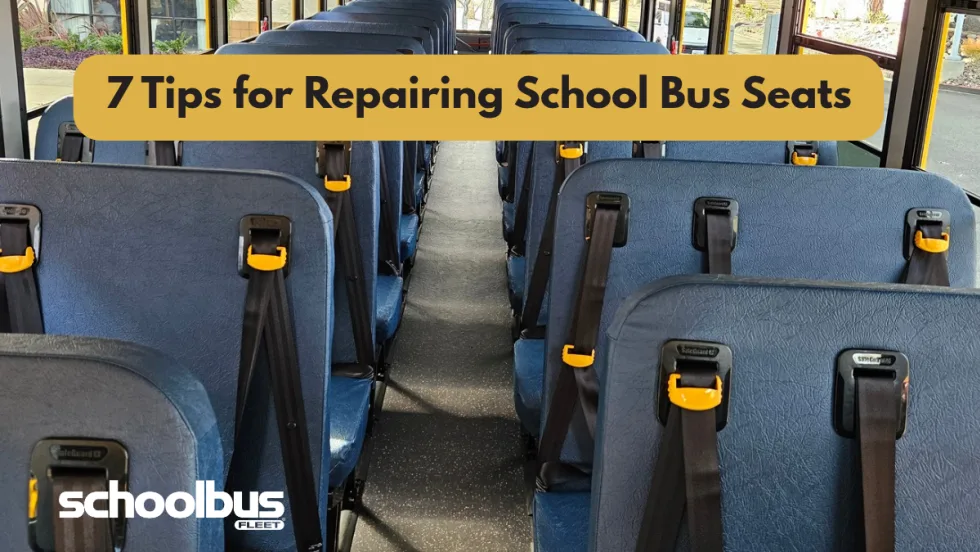
How to Make School Bus Seat Repairs Last: 7 Expert Tips
Tired of school bus seat repairs that peel or get picked apart? Here are some tips for stronger vinyl repairs that hold up to everyday use.

Refinish Coatings Launches School Bus Seat Repair Kit
A new all-in-one vinyl seat repair kit comes with color-matched compounds, tools, and supplies to fix tears, holes, and punctures that kids won't be able to pick.

Easy Ways to Reduce School Bus Emissions: Q&A with John Gonzales
Learn how preventive maintenance, driver training, reduced idling, smarter routing, and the right fuel choices can help districts reduce emissions — without investing in new buses.
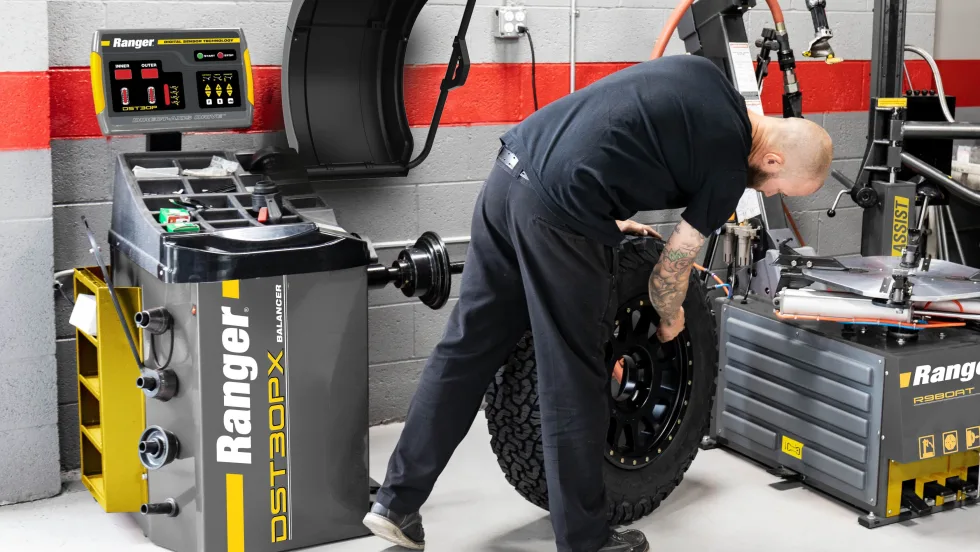
BendPak Launches Ranger DST30PX Wheel Balancer
BendPak's new wheel balancer handles tires up to 43 inches in diameter, with a reinforced design, precise weight placement, and faster service cycles.
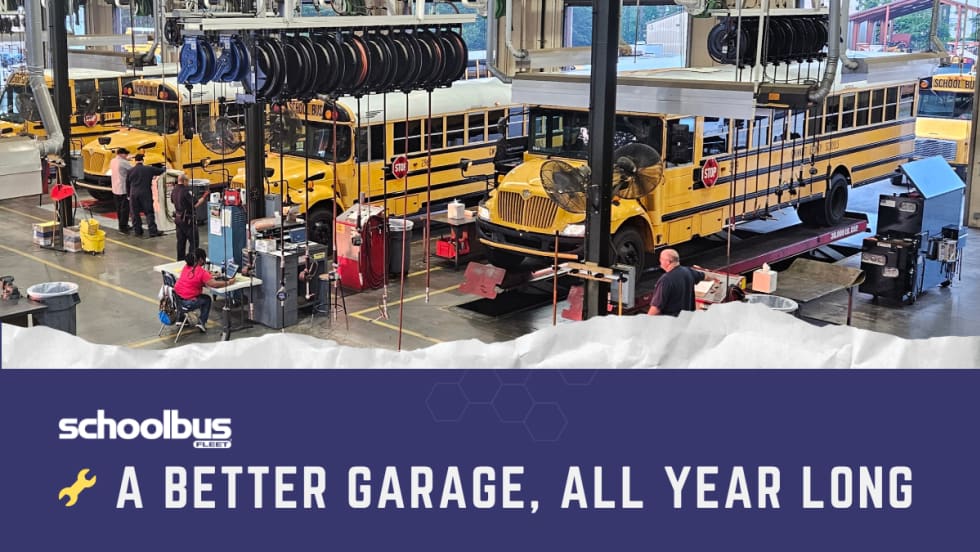
Tips for Ensuring School Bus Garages Are Safe and Warm Year-Round
Cold maintenance bays and rising heating costs? Learn how school bus garages can improve comfort with targeted heating, better airflow, and winter preparation.
ASE Highlights School Bus Technician Certification Requirements
ASE is encouraging school bus maintenance professionals to maintain their certifications, highlighting seven specialized tests and five-year renewal requirements.

International Adds E-Commerce Capabilities to Fleetrite.com
IC Bus customers can now browse, buy, and track shipments for more than 400,000 aftermarket parts online.

The Most Expensive Thing You Do Before Selling a School Bus: Wait
When should you sell an aging school bus? Learn how maintenance, mileage, corrosion, specifications, and timing can affect resale value long before the auction.

The Evolution of DEF Header Technology: What School Bus Operations Should Know at Replacement Time
See what school bus fleets should consider when replacing DEF headers to improve reliability, reduce repeat repairs, and control maintenance costs.
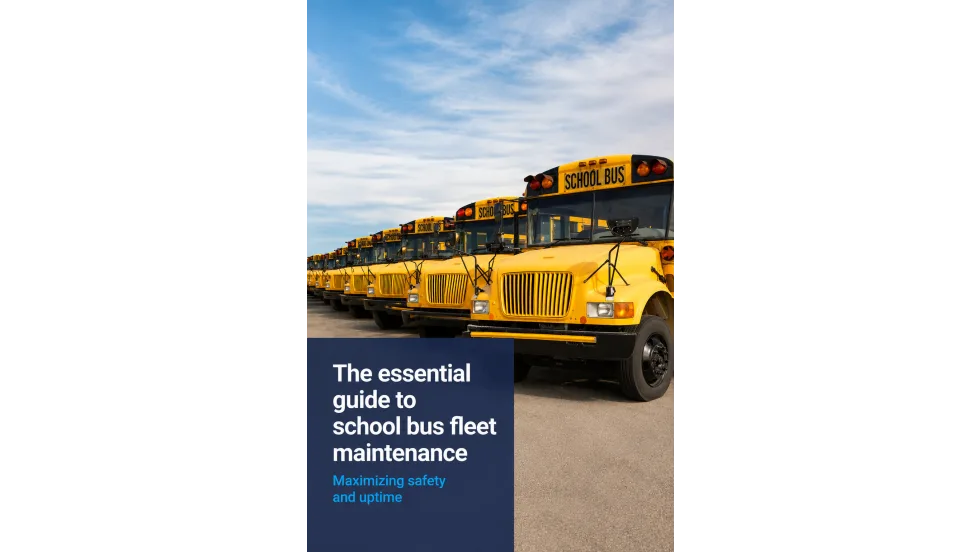
The Essential Guide to School Bus Maintenance and Student Safety
Your district's buses carry students to school every day. This guide shows how predictive maintenance powered by fleet data helps keep buses reliable, drivers accountable and students safer from the first bell to the last stop.