





Check Out: How to Create a Safe Social Space in School Transportation
Advisory Council Issues 10 Key Recommendations to Advance Youth Transportation Equity (Update)
The Equitable Access to Transportation Advisory Council (EATAC) has released an official report on key changes that will make transportation more equitable for youth in the U.S.
November 26, 2024
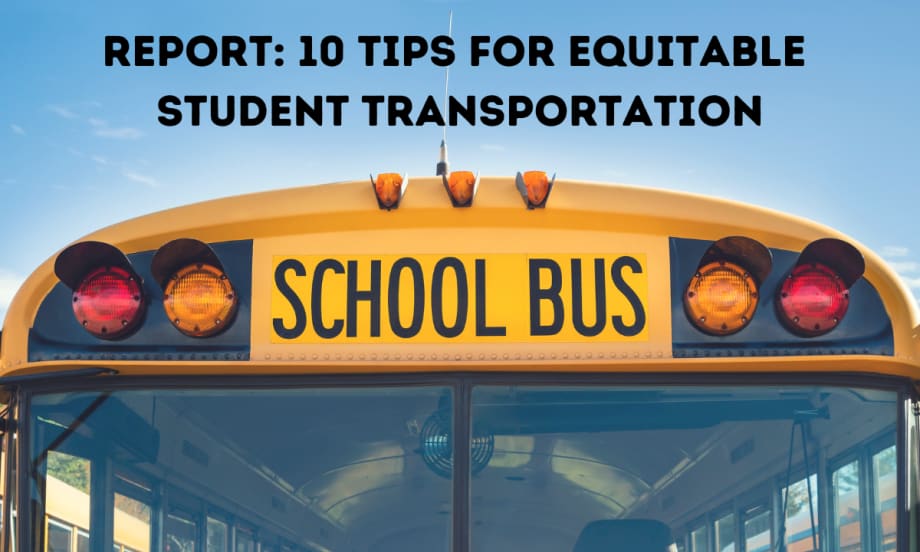
Recommendations are in from the new Equitable Access to Transportation Advisory Council (EATAC) that are aimed at effecting systemic change.
Photo: SBF/Canva
5 min to read
Editor's Note: This post was originally published on March 31, 2024, and has been updated as of Nov. 26, 2024, when the official recommendations were released.
Amidst growing concerns over road safety and access to education, the formation of the Equitable Access to Transportation Advisory Council (EATAC) signals a pivotal step toward addressing transportation challenges facing millions of students across the United States.
Today, Nov. 26, the council announced 10 key recommendations to improve transportation access for America’s 54 million students. This follows the release of a comprehensive survey highlighting significant gaps in youth transportation services.
The study revealed that 93% of respondents identified resource shortages as a primary barrier to equitable access, while 87% emphasized the need for flexible transportation services.
"With 54 million students enrolled in U.S. schools, tens of millions are dependent on modes of transportation over which they have no control," the white paper says. "What happens if a student’s bus route is cut? Or walking to school becomes unsafe? Or if there are public transit changes to service areas, or reduced funding translates to reduced routes? These are very real issues that highlight the disparities in safe transportation access. Those who regularly use a private vehicle are simply less reliant on modes of transport that are out of their control."
10 Recommendationsto Advance Transportation Equity
Develop Dedicated Vulnerable Student Transportation Services
Create specialized programs for children in foster care, ensuring consistent access to school and extracurricular activities while updating federal law to clarify which agency is responsible for funding.Create Community Transportation Hubs
Establish transportation hubs in underserved neighborhoods with adult supervision at bus stops and transit hubs to ensure safe, monitored spaces where students can gather and access transportation.Launch Rural and Urban Transportation Programs
Implement tailored solutions, including flexible vehicle services for rural areas and expanded transit passes in urban settings.Implement GPS Tracking and Communication Systems
Introduce GPS tracking for all school buses to allow parents and schools to monitor routes in real time, ensuring timely communication of delays or route changes.Expand Carpool and Rideshare Partnerships
Partner with rideshare platforms designed for youth and organize school-based carpools to address transportation gaps for students in areas without reliable transportation options.Create Tiered, Income-Based Pricing Models
Develop a sliding scale fee structure for supplemental transportation services, ensuring low-income families can access affordable options in areas where traditional school bus service is insufficient.Implement Bullying Prevention Programs
Provide comprehensive training for transportation staff to create secure environments when students travel to and from school.Promote Safer Routes and School Zones
Advocate for improved infrastructure and traffic-calming measures around schools.Address Transportation Workforce Barriers
Streamline licensing requirements and continue to offer incentives to combat driver shortages, and advocate for modernized laws and policies to increase youth transportation availability in municipalities.Advocate for Increased Funding and Research
Support expanded services while studying the links between transportation access and educational outcomes.
The recommendations build on EATAC’s recent Transportation as an Opportunity Lifeline report, which examines transportation challenges facing vulnerable student populations.
Collaborative Effort for Equity in Transportation Access
Comprised of 10 experts spanning diverse fields, EATAC's establishment underscores a collaborative effort to prioritize the needs of vulnerable communities and advocate for policy reforms to enhance transportation access and safety for all students. The group partnered with HopSkipDrive, a technology company devoted to solving complex transportation challenges where there’s a heightened need for safety, equity, and care.
HopSkipDrive helped highlight and distribute the council’s findings and suggestions.
“We are well suited to gather our colleagues to together advocate for action and accessibility, through educational challenges like racial disparities, financial pressure, safety and other concerns in the midst of issues like chronic absenteeism,” Joanna McFarland, CEO and co-founder of HopSkipDrive, said.
Who’s on the EATAC Board?
Members of the council include:
Nadia Anderson, Ph.D., senior vice president, chief of staff and strategy, Silicon Valley Leadership Group.
Kerry Chausmer, program and member services director, Governors Highway Safety Association.
Torine Creppy, president, Safe Kids Worldwide.
Vanessa Davis, co-manager, Foster Youth in Action.
Natalie Draisin, director of the North American office, FIA Foundation.
Kim Dvorchak, executive director, National Association of Counsel for Children.
Robert Enlow, president and CEO, EdChoice.
Ta’Londa Holland, senior director of policy and influence, Urban Strategies Inc.
Zahra Marin, national policy and organizing director, National Foster Youth Institute (NFYI).
Kristie Stutler, vice president of policy and influence, Urban Strategies Inc.
“We know that transportation is a lifeline for communities around the country, and expanding access to transportation is key to improving outcomes across the spectrums,” said Davis in an earlier news release. “Together with other experts in this space, EATAC will explore how school rides – and youth transportation in general – are important building blocks towards true equity in education. I expect to highlight that a large part of our vulnerable populations don’t have any form of reliable transportation, and we therefore need to consider reasonable solutions and potential new policies.”
Takeaways from the Council’s Formation
What are the takeaways from this initiative?
Multidisciplinary Collaboration: The formation of the EATAC demonstrates a collaborative effort involving experts from diverse fields including transportation, child welfare, road safety, community planning, education, and technology. This multidisciplinary approach signifies a comprehensive understanding of the complex issues surrounding transportation access for students in marginalized communities.
Focus on Vulnerable Populations: EATAC aims to address transportation challenges faced by vulnerable populations such as youth in foster care, those experiencing poverty, and homelessness. By prioritizing these groups, the council underscores the importance of equity in transportation policies to ensure that all students have access to safe and reliable transportation to schools.
Partnership with Technology Company: The collaboration with HopSkipDrive, a technology company specializing in solving transportation challenges, highlights the role of innovative solutions in improving access to safe transportation for students. This partnership signifies a commitment to leveraging technology to address transportation disparities and enhance student outcomes.
Advocacy for Policy Change: EATAC's goal is not only to understand and address transportation gaps but also to advocate for policy changes that promote access to transportation for all students. By advocating for policy reforms, the council aims to create sustainable solutions that address systemic issues and improve transportation access for vulnerable populations.
Long-term Impact on Education and Safety: Through its work, EATAC seeks to drive long-term change in the education system by emphasizing the critical role of transportation in student success and overall well-being. By highlighting the connections between transportation access, education equity, and road safety, the council aims to foster positive outcomes for students across the country.
More Special Needs Transportation
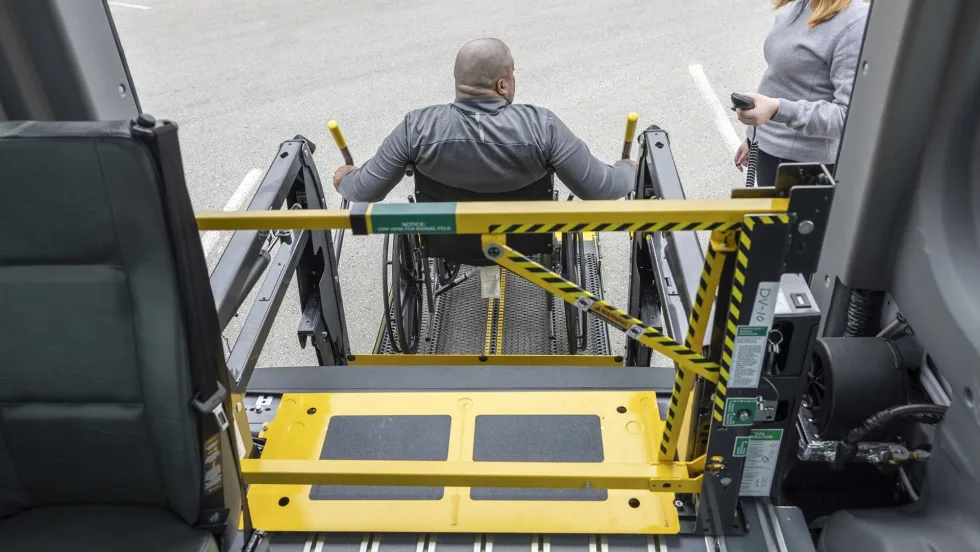
BraunAbility Introduces New Safety Barrier for Wheelchair Lifts
LiftSentinel is designed to add another layer of protection during wheelchair loading and unloading and can be retrofitted to many existing commercial lift installations.
Read More →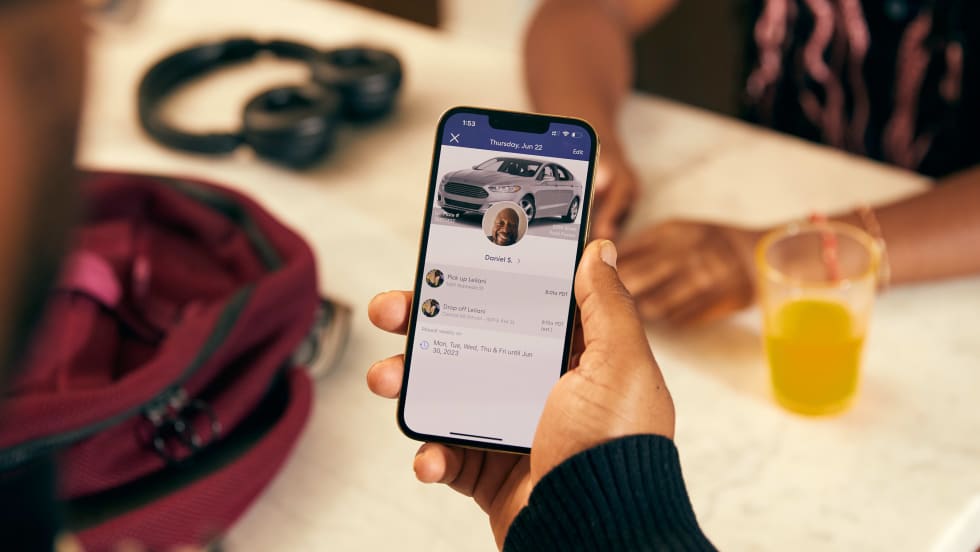
HopSkipDrive Launches New Safety, Driver Consistency Features for 2026-27 School Year
The company’s free ride recording, live ride tracking, and consistent driver assignments aim to improve safety and continuity for diverse student transportation needs.
Read More →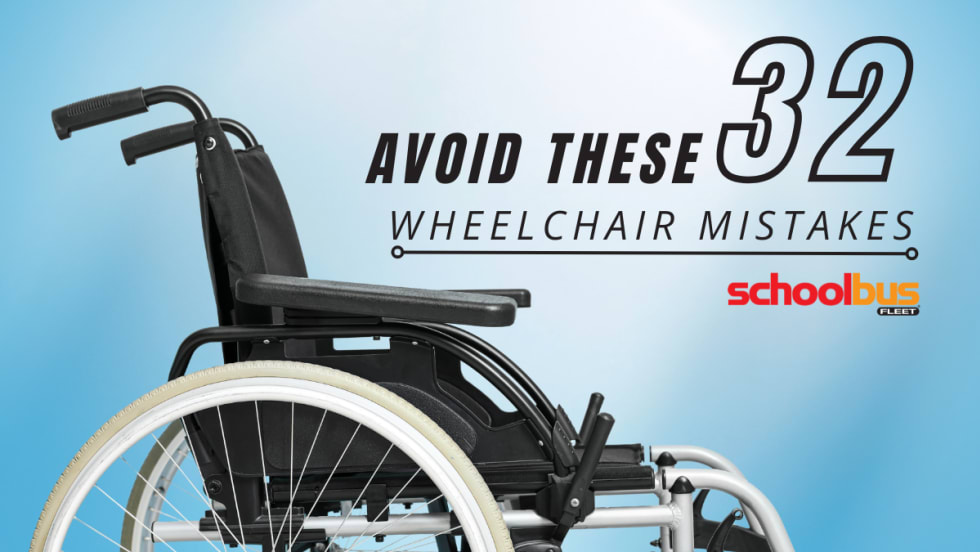
The Most Common Wheelchair Securement Mistakes on School Buses (and How to Fix Them)
Small missteps in wheelchair securement can have serious consequences. Here are 32 tips from experts to reduce risk and increase student safety on the bus.
Read More →
Inside AMF Bruns’ New Showroom: School Bus Securement Solutions Explained
Go inside AMF Bruns America’s new Ohio showroom with Maritza Valentin to see its FutureSafe technology, driver training tools, securement systems, and seating innovations.
Read More →
What AMF Bruns’ New Facility Means for Customers [Video]
Inside AMF Bruns’ new Stow, Ohio, operations: See how expanded space and innovation will enhance customer support and operations.
Read More →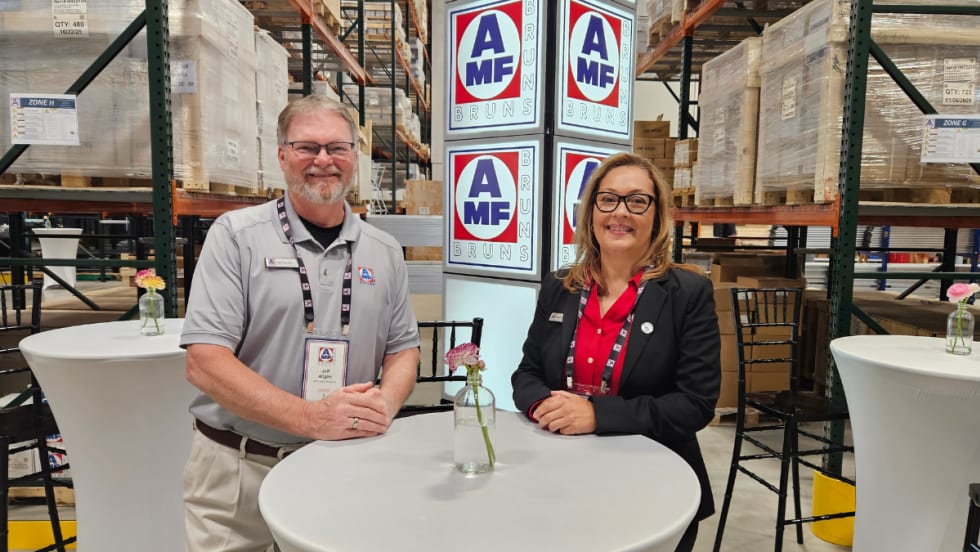
AMF Bruns Expands in Ohio, Investing in Growth and Community
With expanded production space, local investment, and a growing workforce, AMF Bruns is scaling its U.S. presence. Here’s an exclusive first look inside the new Stow, Ohio, HQ.
Read More →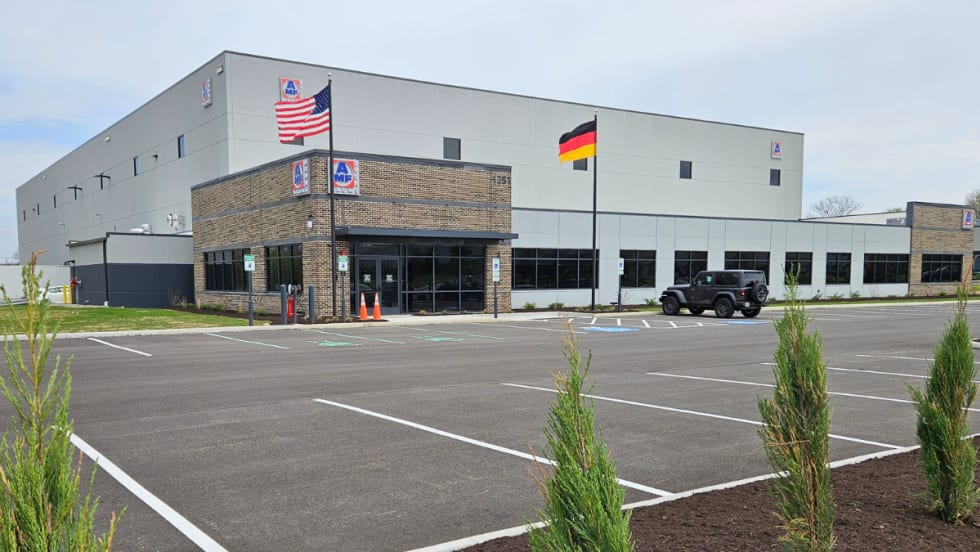
Inside AMF Bruns of America’s New Ohio Manufacturing Facility [Photos]
Take a behind-the-scenes look at AMF Bruns of America’s new 41,000-square-foot Stow, Ohio, headquarters, featuring advanced manufacturing, expanded space, and future-ready mobility solutions.
Read More →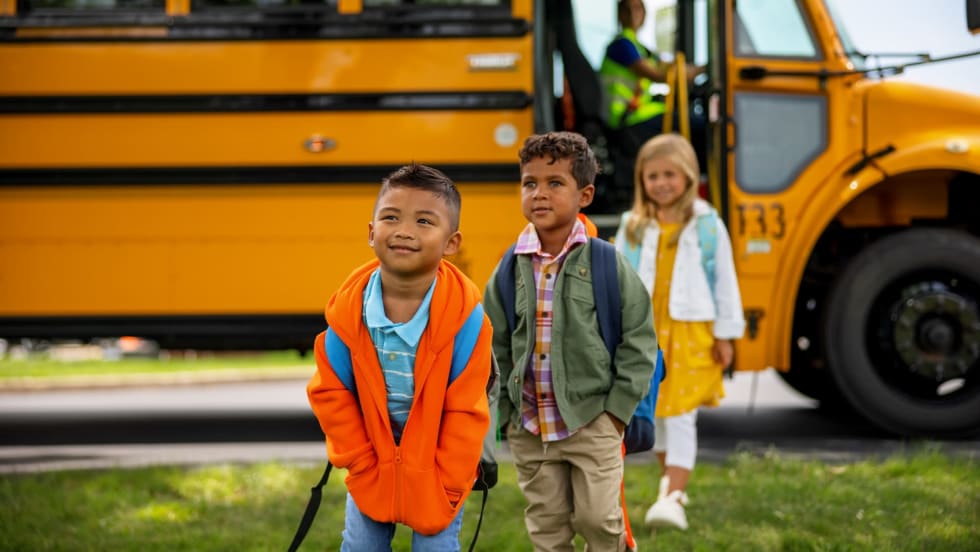
First Student Boosts Student Support in Wichita & Texas
First Student and Wichita Public Schools are using behavioral support strategies to improve student ride experiences, while a separate initiative expands access to after-school programs through a bus donation.
Read More →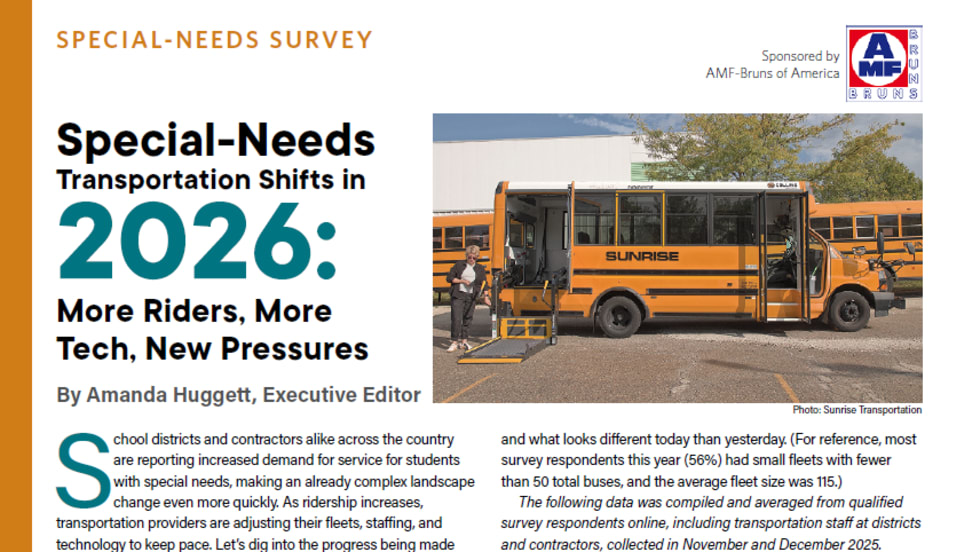
2026 Special-Needs Transportation Survey
What’s changing in special-needs transportation? This year, student transportation operators report a rising need, easing driver shortages, growing tech adoption, and evolving challenges. Sponsored by AMF Bruns of America.
Read More →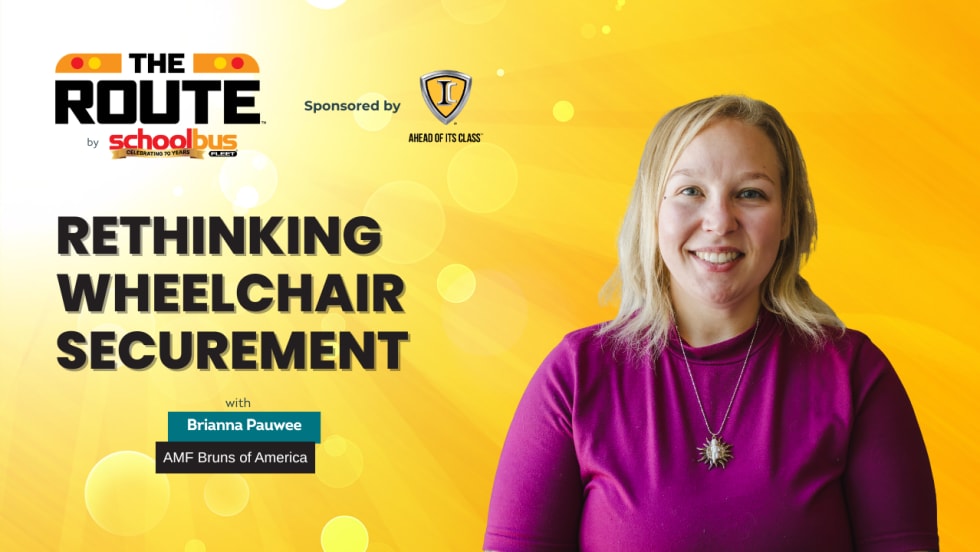
The Lived-Experience Gap in Mobility Tech: An Expert Take on Safe Student Transportation
Brianna Pauwee, a product application specialist at AMF Bruns of America and a wheelchair user, drops in to The Route to share practical securement and training insights, plus the story behind the new “Beyond Mobility” podcast. The Route is sponsored by IC Bus.
Read More →