





Check Out: The Digital Edition of School Bus Fleet - March 2024
HopSkipDrive Reports Another Year of Safe Rides
The company also announced new product enhancements to bolster its safety approach.
March 5, 2024
HopSkipDrive reports that more than 99% of its rides in 2023 ended without a safety incident.
Source: Canva
2 min to read
Alternative transportation provider HopSkipDrive reports that in 2023, more than 99% of its rides with more than 600 school districts, government agencies, and nonprofits ended without any kind of safety incident.
That’s according to the company’s fifth annual Safety Report, covering 1.2 million rides by CareDrivers across more than 25 million miles in 13 states and Washington, D.C.
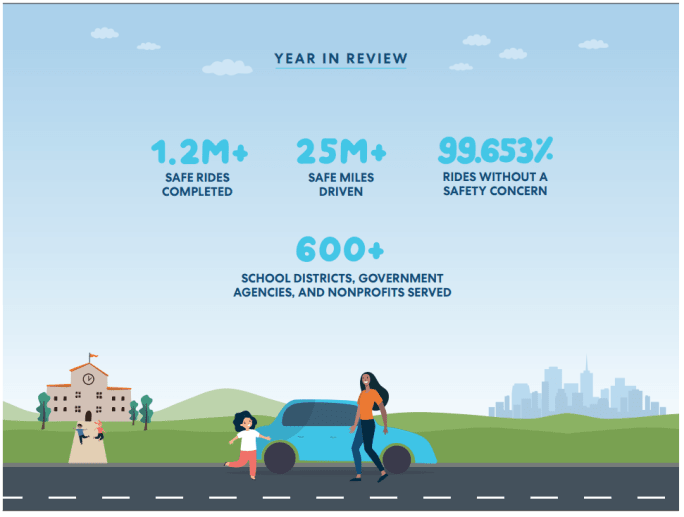
The company's CareDrivers completed 1.2 million rides, totaling more than 25 million miles.
Source: HopSkipDrive
“Traditional student transportation service providers like to say they ‘leave no stone unturned’ when it comes to safety,” said Mike Martin, former executive director and CEO of the National Association for Pupil Transportation. “HopSkipDrive is demonstrating that it, too, lives and breathes this motto, and that there is no finish line in safety, particularly student safety. In fact, this report provides a new roadmap for others to follow if they truly want to provide the safest transportation for the millions of kids needing equitable access to school and activities.”
The year saw a 50% increase in completed rides on the HopSkipDrive platform, said Joanna McFarland, the company’s CEO and founder.
Advancements rolling out this year include:
Proactive Ride Intervention: If the platform detects thresholds of driving behavior through mobile telematics technology such as speeding, hard braking, rapid acceleration, tight turns, or phone usage, the Safe Ride Support team will get an alert and take action. That action could include stopping the ride before the passenger gets in the vehicle.
Location Pins: These will help ensure that CareDrivers pick up and drop off passengers at a precise location, enabling seamless transitions from the vehicle to their next location.
Enhanced Just-in-Time Rider Information: Approved passenger information and back-seat accommodation details will appear in the CareDriver app progressively, ensuring that information is continually protected and communicated only on an as-needed basis.
CareDriver App Safety and Reliability Improvements: Added functionality includes new data-driven insights for greater timeliness; turn-by-turn navigation with alerts to guide slower, safer driving; and safety scorecards.
Joining the Industry Sharing Safety Program: HopSkipDrive is teaming with the Industry Sharing Safety Program (ISSP) to get data about driver behavior from other Transportation Network Company (TNC) platforms. This will allow HopSkipDrive to identify and remove any CareDriver that has been deactivated by major nationwide rideshare platforms based on sexual misconduct and violence, as well as physical assault fatalities.
More Safety

How to Build a Better School Bus Driver Training Program
Is it time to strengthen your driver training? Here’s how to pick the right talent and improve recruitment, retention, and safety. This video is brought to you by IC Bus.
Read More →
Recent School Bus Accidents Leave 2 Dead, 2 Injured
Four school bus crashes in Florida, Illinois, and Georgia highlight risks in transportation lots, at bus stops, and during student loading and unloading.
Read More →
Sponsored•September 8, 2026
When Every Second Matters, Clarity Keeps Routes Moving
From routine delays to urgent incidents, strong communication practices help drivers, dispatchers, schools, and families respond with confidence.
Read More →

What Happens When a School Bus Catches Fire — and What Can Help
School bus fires are rare but can be devastating. Learn how advances in fire suppression and asset protection help fleets detect fires earlier, reduce damage, and improve safety.
Read More →
Geotab Launches Tool to Help Fleets Investigate Road Incidents
Geotab Investigations combines telematics data, video, documents, and other evidence to help fleets reconstruct incidents, resolve claims, and determine what happened.
Read More →
Texas Sixth Grader Wins 2026 National School Bus Safety Poster Contest
Sai Darshana Yekolu of Moseley Middle School in Prosper, Texas, was named the newest winner for her artwork, bringing the theme of “Safe Rides, Everyday Heroes” to life.
Read More →
Sponsored•August 27, 2026
Doing More With Less: How Transportation Directors Can Prioritize Safety Amid Budget Uncertainty
With diesel prices soaring and nearly one-third of transportation directors expecting budget cuts, maintaining student safety has never been more challenging. Download this guide to learn how leading districts are prioritizing risk, funding critical safety technology, and building stronger budget cases with data.
Read More →
Walton County Schools Adds Gatekeeper Stop-Arm Enforcement System
The Florida district will deploy Gatekeeper’s updated Student Protector technology, which now incorporates AI to improve video evidence.
Read More →
How To Build a More Secure School Bus Yard During and After Hours
As thefts and overnight security threats continue, school transportation leaders are combining stronger operational practices with AI-enabled surveillance to better protect buses, facilities, and staff.
Read More →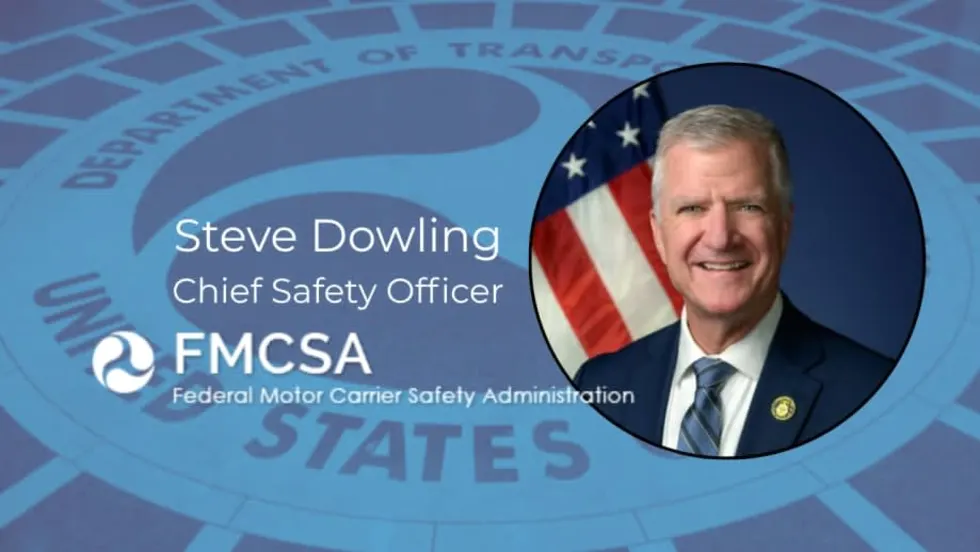
FMCSA Names New Chief Safety Officer: What School Bus Operators Should Know
Steve Dowling is set to lead the federal agency's efforts to advance commercial motor vehicle safety and reduce crashes, fatalities, and injuries on the nation's roadways.
Read More →