




NASDPTS issues guidance on pedal misapplication
The association provides steps for state directors to take in educating school bus operations about the risks of pedal misapplication, which has been cited as a factor in several bus crashes in recent years.

After finding that pedal misapplication was a factor in several school bus crashes in recent years, the National Transportation Safety Board (NTSB) made a number of recommendations aimed at curbing the problem.
One of the recommendation recipients was the National Association of State Directors of Pupil Transportation Services (NASDPTS), which has now issued to its members guidance for reducing the risks of pedal misapplication — when a driver depresses the accelerator instead of, or in addition to, the brake pedal.
To view the NASDPTS guidance and other documents on the topic, go here.
The association has also sent its members other missives on pedal misapplication, and NTSB representatives have spoken on the topic at NASDPTS conferences.
Late last month, NTSB Chairman Deborah Hersman sent a letter notifying NASDPTS that its actions satisfied the intent of the agency's recommendation to the association, and it has been classified “Closed — Acceptable Action.”
In 2009, the NTSB reported that accidental acceleration may have been a factor in the 2005 school bus accident in Liberty, Mo., in which two people were killed.
The bus driver in that accident lost control of her bus and hit two vehicles. Two motorists were killed, and at least 23 students were injured. The bus driver reportedly told officials that she could not stop the bus.
The NTSB arrived on the scene and launched an investigation. The agency uncovered information suggesting that pedal misapplication was a factor in the crash.
The agency later investigated four accidents involving heavy vehicles, dating from 2005 to 2008, in which pedal misapplication was determined to be a factor. Three of those four crashes involved school buses.
More Safety
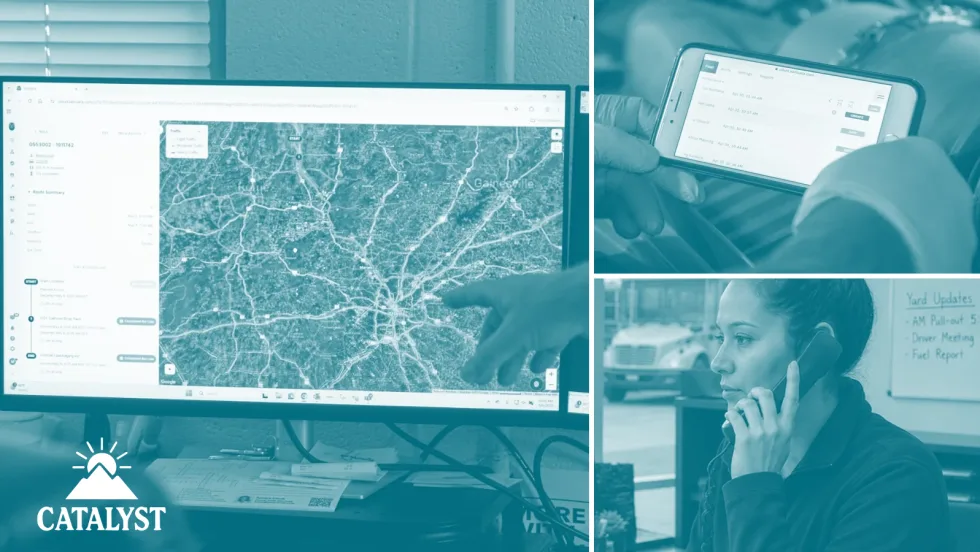
From Reactive to Proactive: Making Every Ride Visible
Smart technology only delivers its full value when it works together. See how Catalyst connects proven industry platforms to move student transportation from reactive to proactive.
Read More →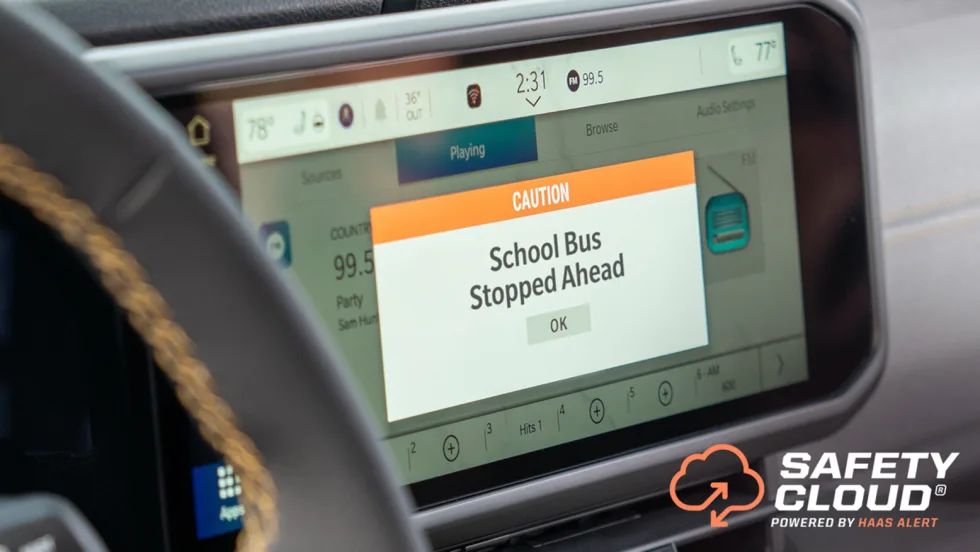
HAAS Alert’s Safety Cloud Warns Motorists of Stopped School Buses
Through a transponder or Samsara connection, the product lets school bus fleets send advance warnings to approaching drivers through in-vehicle alerts.
Read More →
HopSkipDrive Reports Progress on Safety Advisory Council
More than a year after forming the council, independent safety experts have helped shape new rider-safety features and policy progress, with a new goal to address rider behavior.
Read More →
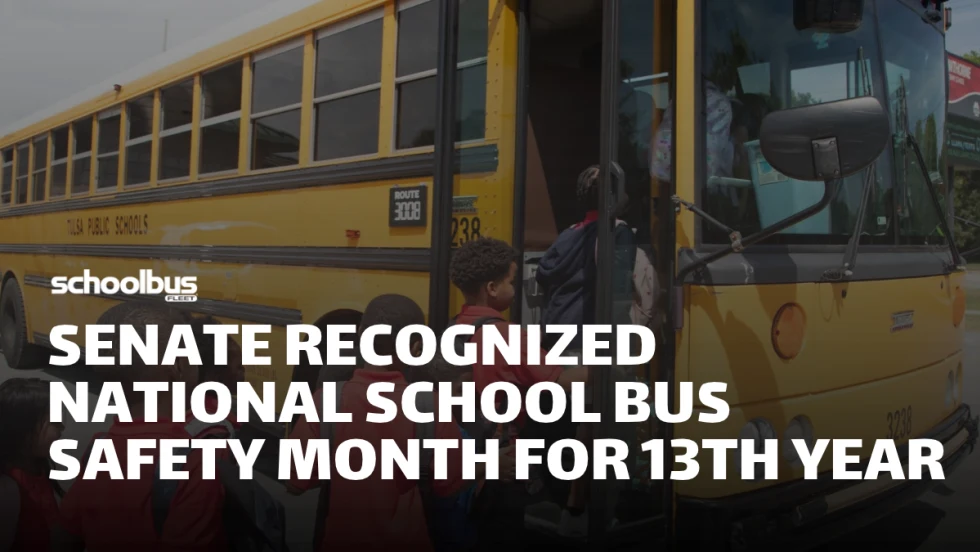
What the 2026 National School Bus Safety Month Resolution Means for Student Transportation
The bipartisan resolution highlights illegal school bus passing, student safety during loading and unloading, and the need for driver training and public education.
Read More →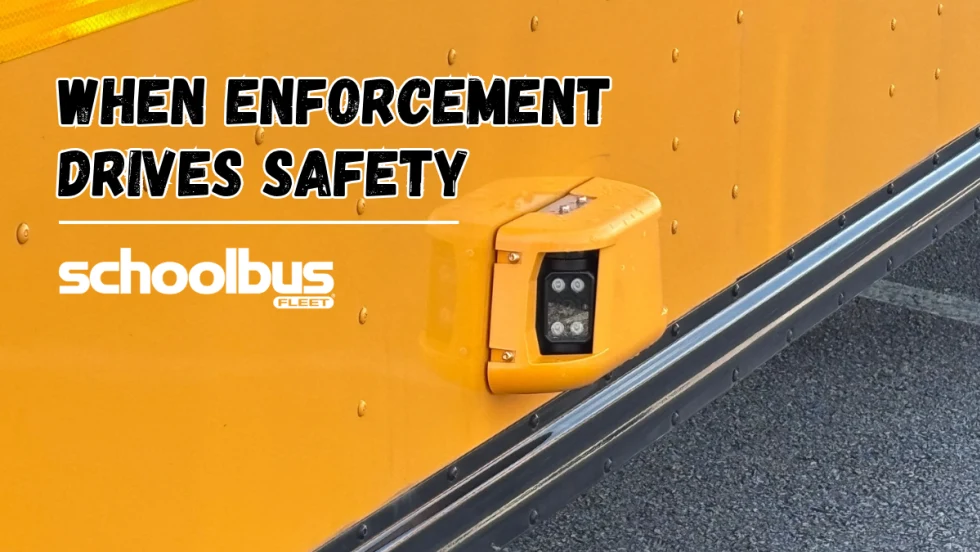
School Bus Stop-Arm Violations Decline 53% Across Verra Mobility Programs
Verra Mobility shares how school bus stop-arm cameras and school zone safety programs are changing driver behavior, reducing violations, and protecting students.
Read More →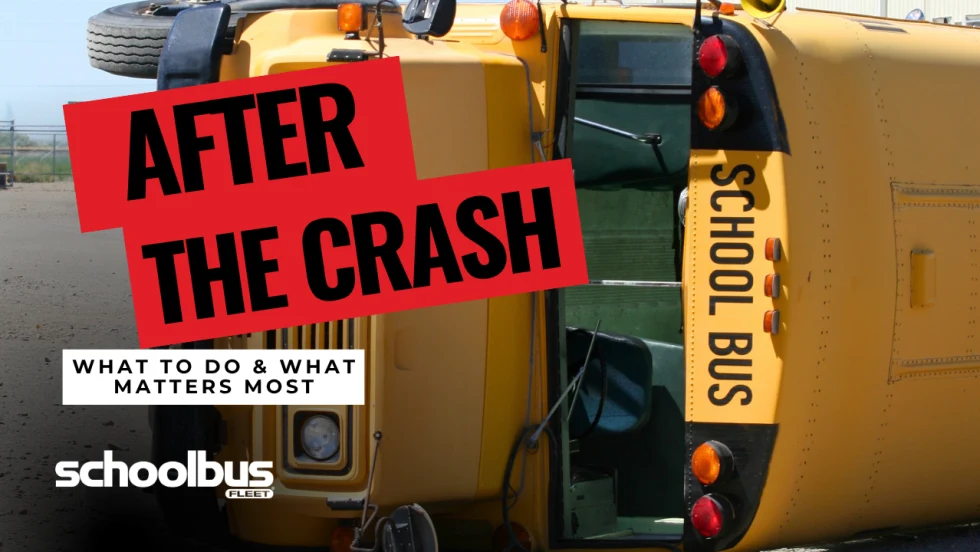
Most Bus Crashes Aren’t Your Fault. Here’s How to Prove It.
A guide for what to do in between a school bus crash and a claim: what to preserve, who to notify, and how to keep the facts available when they matter.
Read More →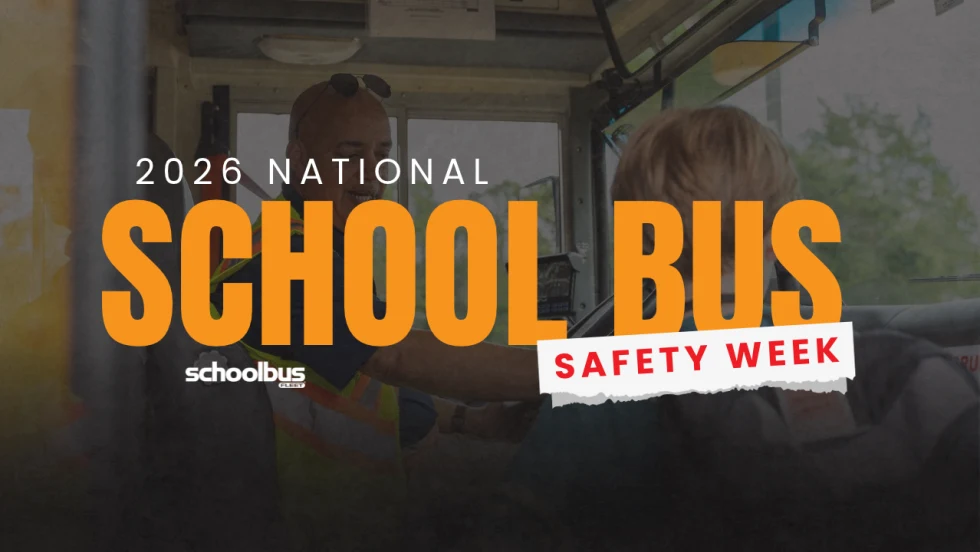
National School Bus Safety Week 2026: Tips, Toolkits & Resources to Keep Students Safe
School bus safety takes more than awareness. Explore expert tips, enforcement strategies, and free resources to help protect students on every ride.
Read More →
2 Killed, Dozens Injured in Florida School Bus Crash
A multi-vehicle collision caused a Polk County school bus carrying 37 students to overturn on its way to Winter Haven High School.
Read More →
Illegal School Bus Passing Drops 24% in New York Districts
With fewer than 5% of citations involving repeat offenders, Westchester County officials said enforcement, education, and community partnerships are helping change driver behavior.
Read More →
School's Back. Here's What Happened to Traffic, Speeding & Distraction
What happens to traffic when school resumes? New data analysis examines changes in distracted driving, congestion, and speeding around schools.
Read More →