




NASDPTS Conference: Addressing Electrification Hurdles
State directors address electric school bus funding, charging infrastructure, training, and range concerns in a panel discussion during the 2022 annual conference.

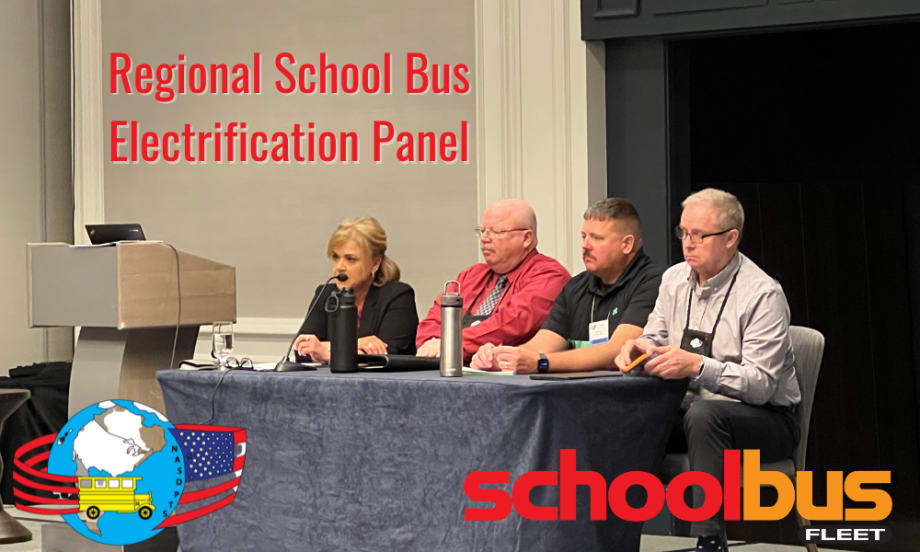
(from left) State transportation officials Anna Borges of California, NASDPTS President Pat McManamon of Vermont, NASDPTS Secretary Mike Bullman of South Carolina, and Chris Kath of Indiana held a regional panel to discuss school bus electrification.
Photo: Canva/NASDPTS/School Bus Fleet
School districts are feeling the pressure to start considering electrification efforts. By and large, the main issue for school bus electrification for districts across the country is obtaining the funding to purchase the buses in the first place. That's the consensus of transportation directors at a regional roundtable discussion at the 54th National Association of State Directors of Pupil Transportation Services (NASDPTS) Conference.
Purchasing Electric School Buses
In some places, electrification efforts are made easier with funding from state governments. California has previously received $1.2 billion from Gov. Gavin Newsom’s office for emissions reductions in several industries, said state transportation director Anna Borges. This past year, state legislators approved another $1.5 billion in funding for a school transportation grant fund. The state has 600+ electric school buses serving students daily.
In Indiana, however, it’s a different story. Chris Kath of Indiana said only eight electric school buses are in operation. The consensus from districts that have electric buses is that they love them and would purchase more if funding was made available. The Environmental Protection Agency just announced the first recipients for its Clean School Bus Rebate program, with Indiana getting a $5.3 million piece of the pie to receive rebates for 19 new school buses at six schools and school districts. California, in comparison, is approved to replace 177 school buses with zero-emission models at 21 schools and school districts, according to a statement from U.S. senators Dianne Feinstein and Alex Padilla.
South Carolina has not put any state money toward purchasing electric school buses, said Mike Bullman, NASDPTS secretary and South Carolina state director. The state did receive $55 million through the EPA program, though. Bullman said the state will continue to seek federal funding for zero-emission and electric school buses.
The EPA originally had planned to award $500 million in rebates for 2022, but nearly doubled the amount after seeing so much demand for the opportunity. Another $1 billion is expected to be available for school bus fleet transformation in 2023.
The EPA received around 2,000 applications requesting nearly $4 billion for over 12,000 buses. The applicant pool includes submissions from all 50 states, Washington D.C., Puerto Rico, and other U.S. territories. The 2022 rebate program will fund approximately 2,500 school bus replacements.
Charging Considerations
The problem isn’t just purchasing the buses, though. Districts must also consider the impact on the local grid to keep the buses charged. Without power, the buses won’t work.
In California, there are serious concerns about the load the electrical grid can handle. When the state reached record highs over the summer, residents were urged to turn off air conditioners and unplug electric vehicle chargers unless necessary. Combine that with the California Air Resources Board’s recent order to ban the sale of gasoline-powered vehicles by 2035, and there are some serious concerns, Borges said.
Nationally, the Department of Energy (DOE) recently launched the Energy Champions Leading the Advancement of Sustainable Schools Prize (CLASS Prize). The agency will provide up to 25 school districts direct resources to staff and train administration and facilities personnel on strategic energy management, including project development and funding to advance school sustainability, according to a Biden Administration fact sheet.
The Energy CLASS Prize will provide a total of $4.5 million in awards, including $3.75 million for selected local educational agencies to fund energy management professionals-in-training and an additional $750k in technical support.
Training Drivers and Technicians
Change is never easy. In Indiana, districts have gotten pushback from technicians regarding electric school buses simply because the technology is new, Kath explained. Districts must prepare technicians to repair and maintain the buses. Training is a key part of adopting the new technology, the panel agreed.
When electric school buses first began rolling into California, OEMs brought their models to the department of education to identify the areas where training would be needed. Indiana uses a training certification program offered by the Federal Motor Carrier Safety Administration (FMCSA) for its technicians.
Technicians aren’t the only people who need training. Drivers do as well. Ensuring drivers are trained to operate electric school buses is key, Bullman said.
In the northeast region, several states including New Hampshire and Connecticut are working to provide driver training, said outgoing NASDPTS president and Vermont transportation director Pat McManamon.
California leaders are concerned about whether bus drivers are capable of operating electric school buses well. The state highway patrol requires competency to operate vehicles, but it specifically only requires that for vehicles with transmissions. Electric school buses do not have them, so it’s sort of a loophole, Borges said.
While electric buses have regenerative braking, that feature does not kick in for many buses until the charge on the bus reaches a certain percentage charge. That’s something not every driver is aware of, Borges explained.
EV School Bus Range Anxiety
When it comes to charging needs, school transportation departments often have range anxiety. But it may not be necessary, Bullman said.
“Maybe we're overthinking that a little bit. When you look at it in our trips, 80% of our trips, any of these [electric] buses, can be covered with not a problem at all,” Bullman continued.
In many cases, the routes in South Carolina districts likely wouldn’t even require buses to be charged between morning and afternoon rides. Range can also be dependent on driver behavior, which again highlights the importance of properly training drivers on how to operate electric buses.
The main message from the regional panel members: the industry will continue to move forward with adopting electric school buses, but many hurdles remain to jump over before they are the norm.
More Alternative Fuels

CALSTART and Forth Combine to Form Catalyst Mobility
The new name represents a renewed vision for the nonprofit focused on advancing clean, equitable, and affordable transportation solutions that move people and goods.
Read More →
Alt-Fuel Moves: New Buses, Charging Hubs & Real-World EV Testing
Propane and electric school bus deployments continue to grow as districts add new vehicles, expand charging infrastructure, and gather more real-world operating data.
Read More →
Fewer Electric School Bus Models Reshape the U.S. Market
WRI’s latest buyer’s guide points to a consolidating electric school bus market, but fewer options may reflect a maturing industry rather than fewer meaningful choices for school bus operators.
Read More →
The Fuel Budget You Can Actually Predict: How Propane Autogas Keeps Money in the Classroom
Learn how propane autogas helps school districts manage fuel costs with predictable pricing, lower maintenance, and reduced emissions from former transportation director Joel Stutheit.
Read More →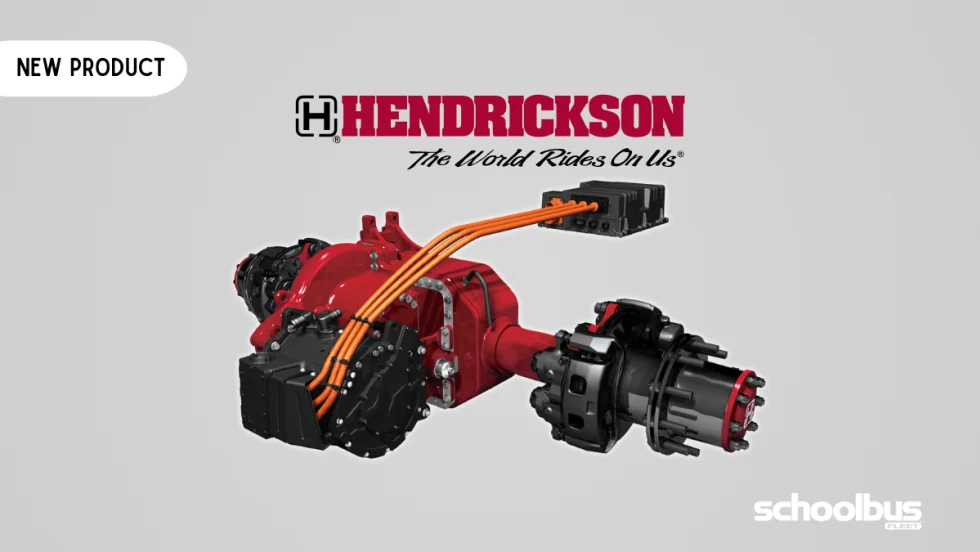
Hendrickson, Driventic Introduce New Electric Powertrain for School Buses
ELECTRAAX, the electrified, lightweight drive axle offers integrated ePowertrain efficiency and modular flexibility for Class 6–7 school bus use.
Read More →
The Mobility House Joins PowerFlex in Fleet Electrification Deal
The acquisition combines intelligent charging software, bidirectional charging expertise, and fleet electrification services to support the growing adoption of electric school buses across North America.
Read More →
Alt-Fuel Moves: Electric School Bus Investments Hit the Road
See which districts across the U.S. are putting electric school buses into service, expanding charging infrastructure, and planning the next phase of fleet electrification.
Read More →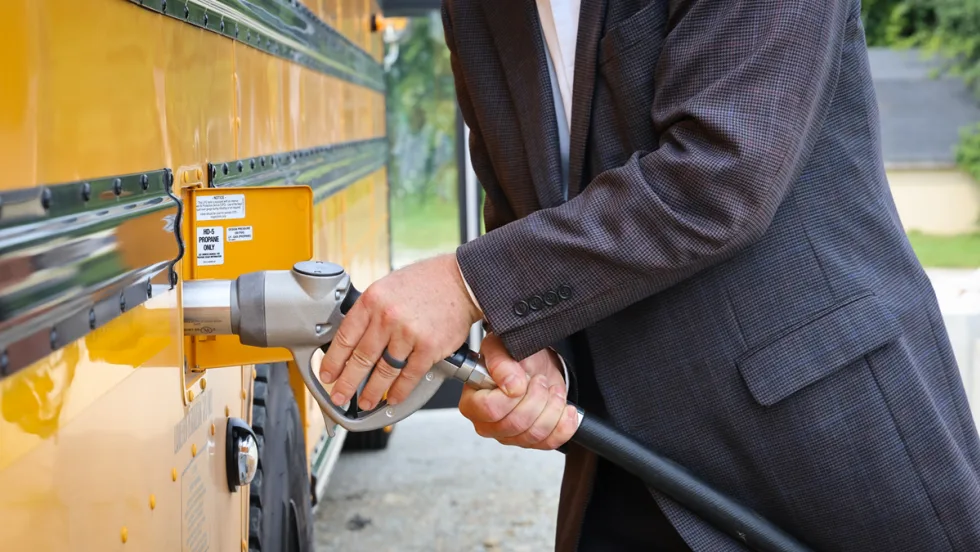
With Fuel Volatility Ahead, School Districts Turn to Propane
While diesel prices peaked above $5 this spring, districts with propane autogas-powered fleets paid under $2 per gallon, according to PERC.
Read More →
EPA Unveils Proposed Changes to 2027 Heavy-Duty Engine Rules
The federal agency has proposed changes to next year’s targets that would eliminate DEF derates, ease warranty requirements, and retain current NOx emissions standards.
Read More →
Alt-Fuel Moves: EV Charging & Infrastructure Projects Gain Momentum
The latest developments include new funding, charging infrastructure, utility investments, and fleet technologies designed to support the transition to electric school buses nationwide.
Read More →