




Related: 20 Questions (and Answers) on MAP-21
NAPT: Driver Training Deadline Delay Likely
The National Association for Pupil Transportation learns from the Federal Motor Carrier Safety Administration that it has not completed the Entry Level Driver Training registry due to technical issues. NAPT expects the ELDT deadline to be delayed.

Nicole Schlosser・Former Executive Editor

The National Association for Pupil Transportation learned from the Federal Motor Carrier Safety Administration that it has not completed the Entry Level Driver Training registry due to technical issues. NAPT expects the ELDT deadline to be delayed. File photo courtesy Orange (Calif.) Unified School District
3 min to read

The National Association for Pupil Transportation learned from the Federal Motor Carrier Safety Administration that it has not completed the Entry Level Driver Training registry due to technical issues. NAPT expects the ELDT deadline to be delayed. File photo courtesy Orange (Calif.) Unified School District
ALBANY, N.Y. — A national student transportation association was notified on Friday of a federal agency’s technical issues that will likely lead to a delay in a looming federal driver training requirement deadline.
The National Association for Pupil Transportation (NAPT) stated in an announcement to its members and on its Facebook page that it was informed by the Federal Motor Carrier Safety Administration (FMCSA) that the agency has not yet completed the Entry Level Driver Training (ELDT) registry due to technical issues with its internal systems.
“FMCSA will be communicating to various commercial vehicle market segments and distributing a public notice that explains the situation in more detail,” the NAPT added in the announcement.
The NAPT also said in its announcement that “the U.S. Department of Transportation’s (U.S. DOT’s) agency-wide effort to consolidate commodity and programmatic IT services has a pretty long queue of projects so even the ELDT’s Training Provider Registry (TPR), which is the first step of local reporting, has not yet been completed.”
Given the news, which underscores recent reports that FMCSA representatives had informed stakeholders in the commercial vehicle market that the agency has requested permission to delay implementation of the entire rule for at least two years, NAPT said in the announcement that it expects the rule to be delayed. The NAPT added that the federal agency is required to follow a procedure to make the announcement official, and “has been complicated by a variety of political factors, several of which are beyond FMCSA’s control.” Read the NAPT's complete announcement on its Facebook page here.
As School Bus Fleet previously reported, Larry Minor, the associate administrator for policy and designated federal officer for the FMCSA, told attendees at the National Association of State Directors of Pupil Transportation Services (NASDPTS) conference in October that the ELDT certification training final rule deadline would be pushed back from Feb. 7, 2020 to Feb. 7, 2022, because of IT challenges that would interfere with commercial driver’s license (CDL) training providers registration.
He added that attendees could still move forward with putting together their training programs if they hadn’t already done so.
Charles Hood, the executive director for NASDPTS, told School Bus Fleet that the announcement "has not been made official yet via a federal register notice from FMCSA, but we are hoping such a notice will be published soon."
Hood added that NASDPTS submitted comments in August to the agency "favoring an integrated approach that would implement all aspects of the program on the same timeline instead of delaying only part of the requirements."
SBF also reported that in 2016, the FMCSA issued a final rule, “Minimal Training Requirements for Entry-Level Commercial Motor Vehicle Operators,” (ELDT), that established national minimum training standards for entry-level commercial bus and truck operators. The final rule requires applicants seeking a CDL to demonstrate proficiency in knowledge and behind-the-wheel training on a driving range and on a public road, with training obtained from an instructional program that meets the federal agency’s standards.
The rule followed a notice of proposed rulemaking that FMCSA issued in March 2016 in response to a congressional mandate from the Moving Ahead for Progress in the 21st Century Act.
More Safety
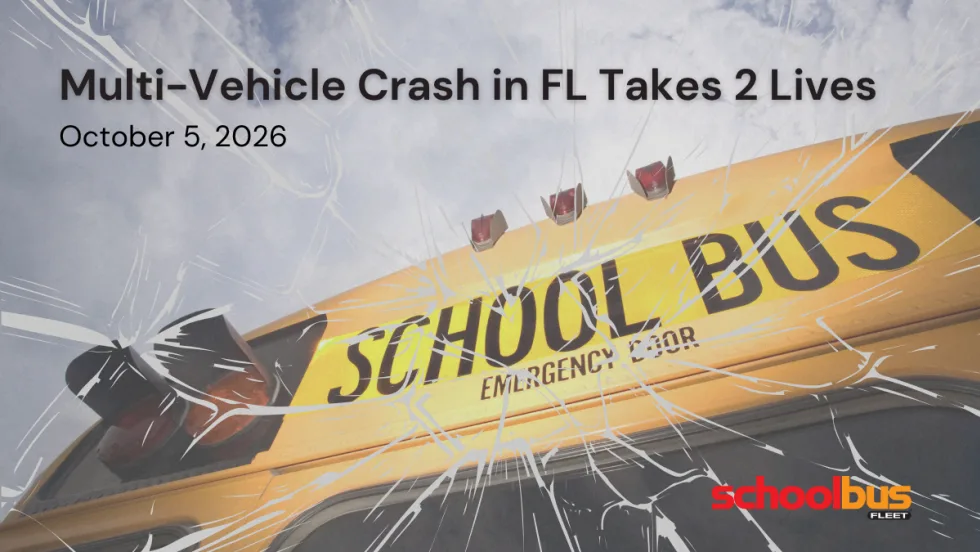
2 Killed, Dozens Injured in Florida School Bus Crash
A multi-vehicle collision caused a Polk County school bus carrying 37 students to overturn on its way to Winter Haven High School.
Read More →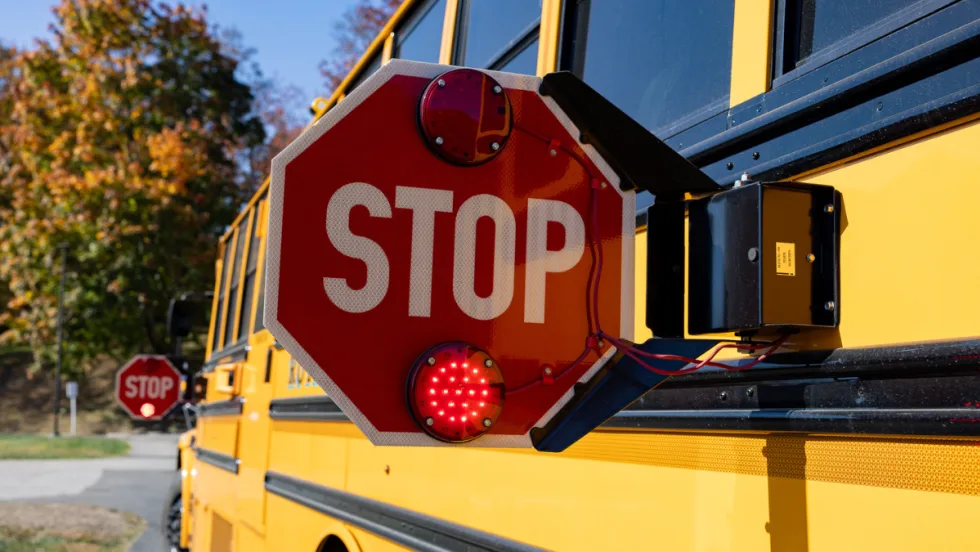
Illegal School Bus Passing Drops 24% in New York Districts
With fewer than 5% of citations involving repeat offenders, Westchester County officials said enforcement, education, and community partnerships are helping change driver behavior.
Read More →
School's Back. Here's What Happened to Traffic, Speeding & Distraction
What happens to traffic when school resumes? New data analysis examines changes in distracted driving, congestion, and speeding around schools.
Read More →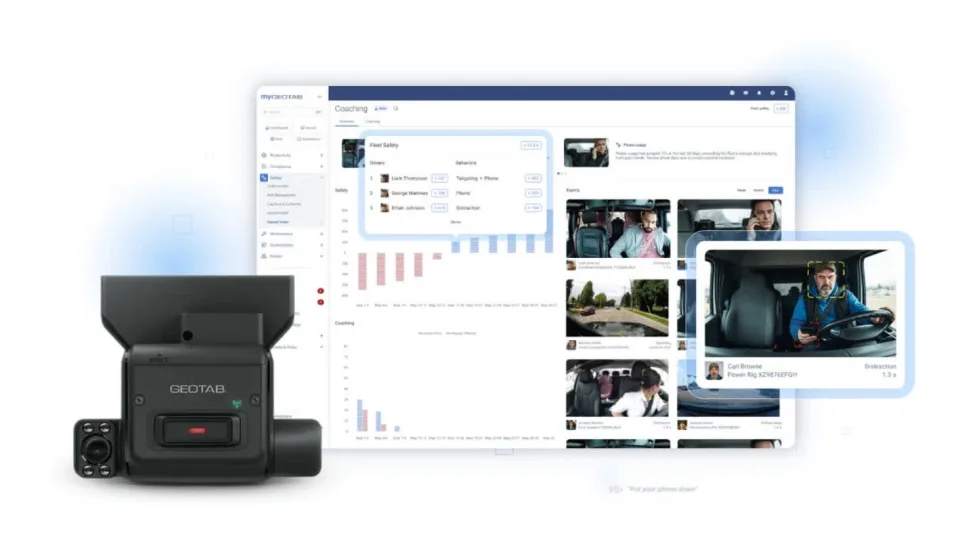
Geotab Expands Fleet Safety Tools With Video Coaching, Risk Insights
New safety and video capabilities aim to help fleet managers assess risk, support drivers, and take targeted action through video coaching, red-light violation detection, and more.
Read More →
How to Build a Better School Bus Driver Training Program
Is it time to strengthen your driver training? Here’s how to pick the right talent and improve recruitment, retention, and safety. This video is brought to you by IC Bus.
Read More →
Recent School Bus Accidents Leave 2 Dead, 2 Injured
Four school bus crashes in Florida, Illinois, and Georgia highlight risks in transportation lots, at bus stops, and during student loading and unloading.
Read More →
When Every Second Matters, Clarity Keeps Routes Moving
From routine delays to urgent incidents, strong communication practices help drivers, dispatchers, schools, and families respond with confidence.
Read More →
What Happens When a School Bus Catches Fire — and What Can Help
School bus fires are rare but can be devastating. Learn how advances in fire suppression and asset protection help fleets detect fires earlier, reduce damage, and improve safety.
Read More →
Geotab Launches Tool to Help Fleets Investigate Road Incidents
Geotab Investigations combines telematics data, video, documents, and other evidence to help fleets reconstruct incidents, resolve claims, and determine what happened.
Read More →
Texas Sixth Grader Wins 2026 National School Bus Safety Poster Contest
Sai Darshana Yekolu of Moseley Middle School in Prosper, Texas, was named the newest winner for her artwork, bringing the theme of “Safe Rides, Everyday Heroes” to life.
Read More →