




Minneapolis district builds mobile command center
Minneapolis Public Schools’ plant operations and transportation services team spent four years converting an older school bus into the mobile command center. It’s outfitted with such equipment as a flat-screen TV, two-way radios and laptops, and it’s designed to be used as a command post in a major emergency that prohibits the district’s buses from successfully transporting students.
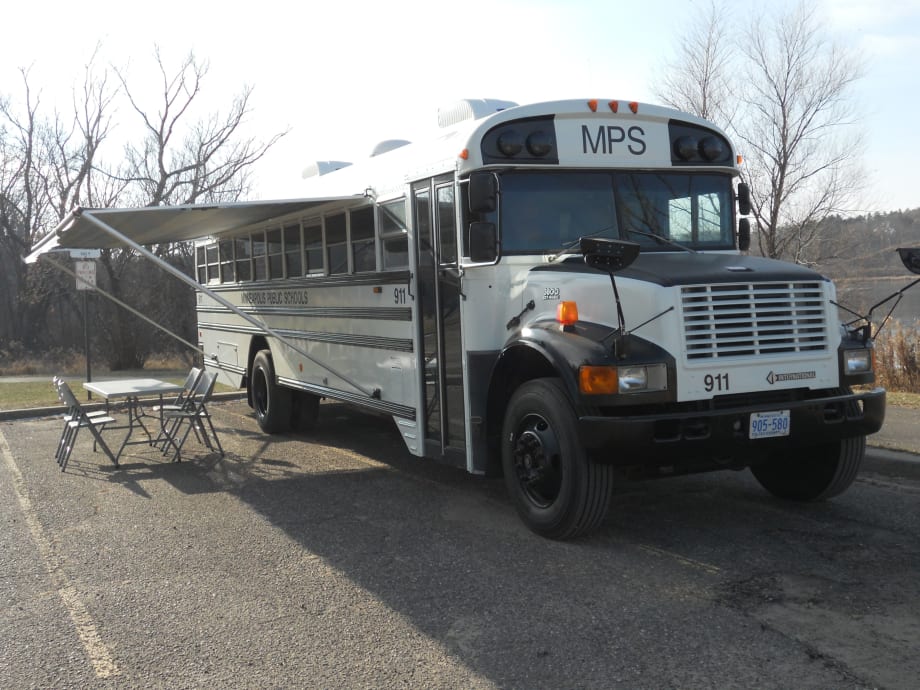
Construction of Minneapolis Public Schools' mobile command center began in 2008, and it was completed last year.
MINNEAPOLIS — The plant operations and transportation services team at Minneapolis Public Schools has built a mobile command center for use during major emergencies.
Construction of the mobile command center began in 2008, and it was completed last year. Officials said it took more than 1,600 hours to convert an older school bus into the center. It is equipped with a 32-inch flat-screen TV to provide the staff with current information on traffic and adverse weather conditions. A server maintains routing and student information, GPS and daily assignments.
The bus is also outfitted with four two-way radios and laptops, so dispatchers can maintain contact with the drivers, fleet maintenance and the management team. Two conference tables, chairs and a whiteboard at the back of the center provide an area for administrative consultation.
Officials for the district said that if or when a major catastrophe occurs at one of the schools or in an area that will prohibit the buses from successfully delivering or picking up students, they can dispatch the bus to a location and set up a command post.
“We can staff the bus with up to four dispatchers so there will be continuous radio contact from our dispatch center to the command post,” explained Pamela Blackamoore, executive director of school services. “Administrators from the district can set up meetings on the bus or outside, where we have an awning and a table and chairs. We built a storage area beneath the bus for transporting two tables and up to eight chairs.”
Blackamoore added that the district has shown the mobile command center to the Minneapolis Police Department’s SWAT department and they “were quite impressed with the accommodations and equipment on board the bus.”
“Likewise, we can set up the command center at any park or community location where families can register their children for school, particularly those who experience transportation difficulties,” she said. “We will also be using the vehicle for mutual aid between various school districts in the metropolitan area.”
For more information about the mobile command center, contact Blackamoore at pamela.blackamoore@mpls.k12.mn.us or Transportation Director Scott James at scott.james@mpls.k12.mn.us.
To view more photos of the mobile command center, check out this photo gallery.
More Safety

How to Build a Better School Bus Driver Training Program
Is it time to strengthen your driver training? Here’s how to pick the right talent and improve recruitment, retention, and safety. This video is brought to you by IC Bus.
Read More →
Recent School Bus Accidents Leave 2 Dead, 2 Injured
Four school bus crashes in Florida, Illinois, and Georgia highlight risks in transportation lots, at bus stops, and during student loading and unloading.
Read More →
When Every Second Matters, Clarity Keeps Routes Moving
From routine delays to urgent incidents, strong communication practices help drivers, dispatchers, schools, and families respond with confidence.
Read More →

What Happens When a School Bus Catches Fire — and What Can Help
School bus fires are rare but can be devastating. Learn how advances in fire suppression and asset protection help fleets detect fires earlier, reduce damage, and improve safety.
Read More →
Geotab Launches Tool to Help Fleets Investigate Road Incidents
Geotab Investigations combines telematics data, video, documents, and other evidence to help fleets reconstruct incidents, resolve claims, and determine what happened.
Read More →
Texas Sixth Grader Wins 2026 National School Bus Safety Poster Contest
Sai Darshana Yekolu of Moseley Middle School in Prosper, Texas, was named the newest winner for her artwork, bringing the theme of “Safe Rides, Everyday Heroes” to life.
Read More →
Doing More With Less: How Transportation Directors Can Prioritize Safety Amid Budget Uncertainty
With diesel prices soaring and nearly one-third of transportation directors expecting budget cuts, maintaining student safety has never been more challenging. Download this guide to learn how leading districts are prioritizing risk, funding critical safety technology, and building stronger budget cases with data.
Read More →
Walton County Schools Adds Gatekeeper Stop-Arm Enforcement System
The Florida district will deploy Gatekeeper’s updated Student Protector technology, which now incorporates AI to improve video evidence.
Read More →
How To Build a More Secure School Bus Yard During and After Hours
As thefts and overnight security threats continue, school transportation leaders are combining stronger operational practices with AI-enabled surveillance to better protect buses, facilities, and staff.
Read More →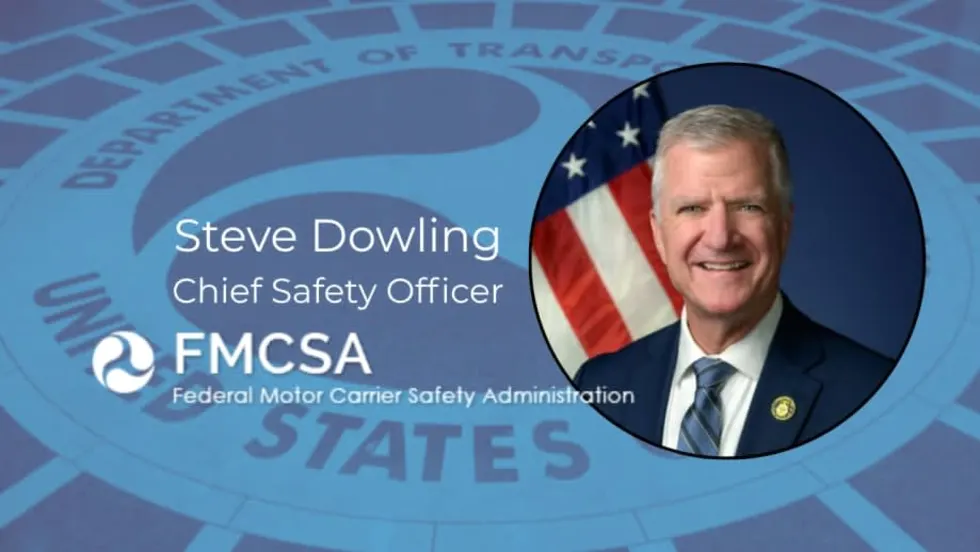
FMCSA Names New Chief Safety Officer: What School Bus Operators Should Know
Steve Dowling is set to lead the federal agency's efforts to advance commercial motor vehicle safety and reduce crashes, fatalities, and injuries on the nation's roadways.
Read More →