




Maryland Provides $500K for School Bus Safety Enforcement
The grants go to police agencies to pay for education programs and for officer overtime to patrol when school buses are on the road.

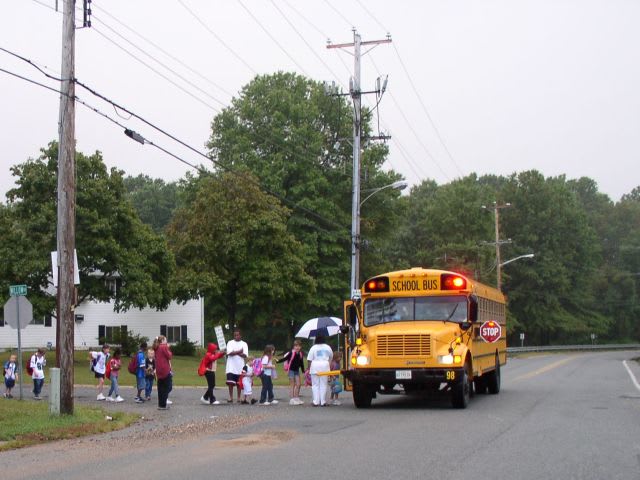
State grants in Maryland will pay for education programs and for police overtime to patrol when school buses are on the road. Photo by Bob Markwardt
State grants in Maryland will pay for education programs and for police overtime to patrol when school buses are on the road. Photo by Bob Markwardt
ANNAPOLIS, Md. — More than $500,000 in state grants is going to local law enforcement agencies in Maryland to help them enforce school bus safety laws.
The grants will be used to pay for overtime for police officers who patrol when school buses are on the road, and for public education programs to inform the driving public about Maryland’s law on stopping for school buses.
“Maryland children are back to school, and many ride school buses every day to get to class,” Gov. Larry Hogan said. “It’s our job — as parents, grandparents, and government leaders — to be sure they are safe on their way to and from school.”
Maryland law requires motorists to stop 20 feet behind or in front of a school bus that has its stop arm extended and red lights flashing while loading or unloading students. Drivers who illegally pass stopped school buses can be fined and receive points on their driving records.
A survey coordinated by the Maryland Department of Education in April found that school bus drivers in the state recorded a total of 4,334 stop-arm violations in one day. That was part of a national effort that tallied more than 74,000 violations.
“You may be late for an appointment, you may be rushing to work, but there’s no excuse to drive past a stopped school bus,” said Glenn Fueston, executive director of the Maryland Governor’s Office of Crime Control & Prevention, which administered the grant funding through the School Bus Safety Enforcement Fund. “Drivers must remember that speeding past a stopped school bus risks the lives of innocent children and bystanders.”
Fifty agencies from 22 jurisdictions in Maryland are receiving a total of $541,400 in state funding for school bus safety initiatives.
Following the 2016 legislative session, Hogan signed SB 83, which renamed the School Bus Safety Enforcement Fund to the School Safety Enforcement Fund. The legislation will expand the purposes of the fund, provide localities with additional flexibility to address school safety needs, and allow county boards of education, in addition to law enforcement entities, to apply for the grants. The changes will take effect on Oct. 1 and will be incorporated into the next notice of funding availability for the program.
More Safety
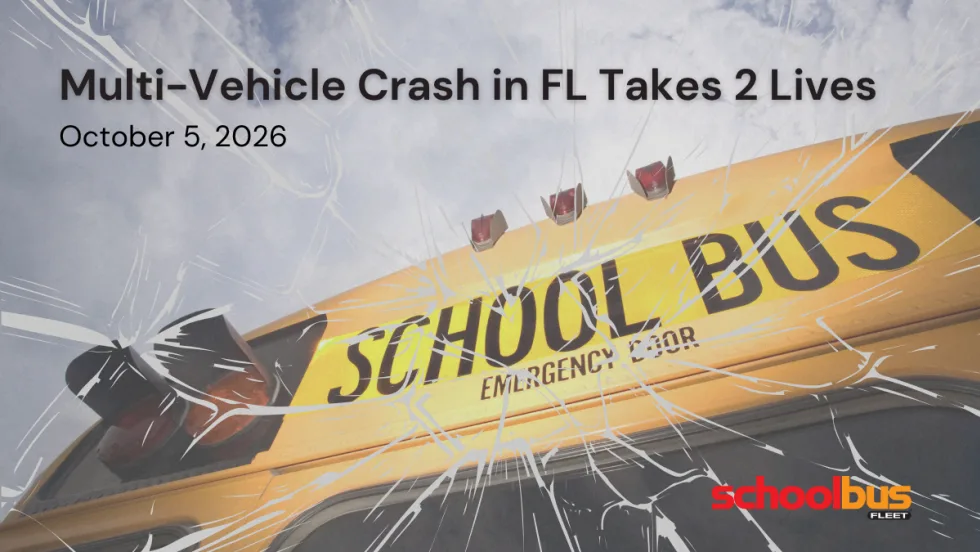
2 Killed, Dozens Injured in Florida School Bus Crash
A multi-vehicle collision caused a Polk County school bus carrying 37 students to overturn on its way to Winter Haven High School.
Read More →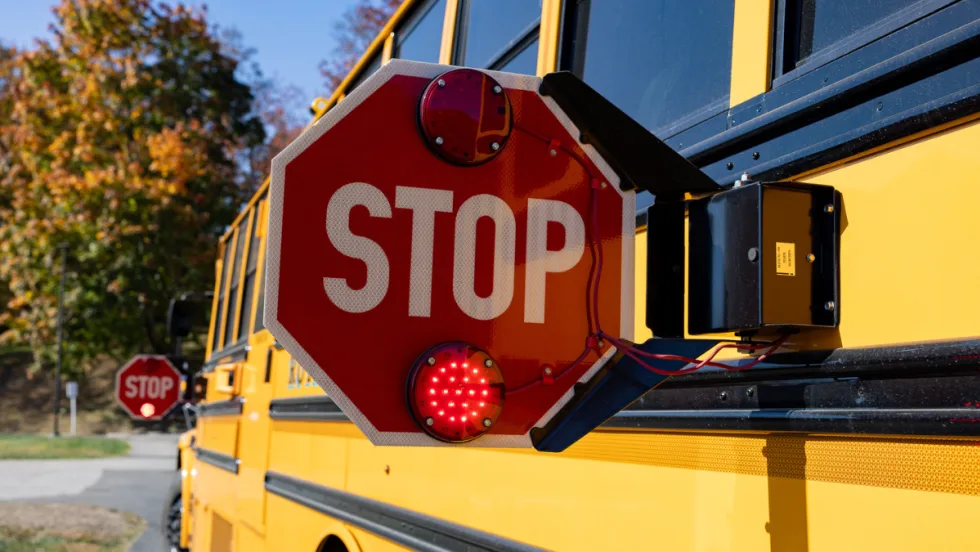
Illegal School Bus Passing Drops 24% in New York Districts
With fewer than 5% of citations involving repeat offenders, Westchester County officials said enforcement, education, and community partnerships are helping change driver behavior.
Read More →
School's Back. Here's What Happened to Traffic, Speeding & Distraction
What happens to traffic when school resumes? New data analysis examines changes in distracted driving, congestion, and speeding around schools.
Read More →
Geotab Expands Fleet Safety Tools With Video Coaching, Risk Insights
New safety and video capabilities aim to help fleet managers assess risk, support drivers, and take targeted action through video coaching, red-light violation detection, and more.
Read More →
How to Build a Better School Bus Driver Training Program
Is it time to strengthen your driver training? Here’s how to pick the right talent and improve recruitment, retention, and safety. This video is brought to you by IC Bus.
Read More →
Recent School Bus Accidents Leave 2 Dead, 2 Injured
Four school bus crashes in Florida, Illinois, and Georgia highlight risks in transportation lots, at bus stops, and during student loading and unloading.
Read More →
When Every Second Matters, Clarity Keeps Routes Moving
From routine delays to urgent incidents, strong communication practices help drivers, dispatchers, schools, and families respond with confidence.
Read More →
What Happens When a School Bus Catches Fire — and What Can Help
School bus fires are rare but can be devastating. Learn how advances in fire suppression and asset protection help fleets detect fires earlier, reduce damage, and improve safety.
Read More →
Geotab Launches Tool to Help Fleets Investigate Road Incidents
Geotab Investigations combines telematics data, video, documents, and other evidence to help fleets reconstruct incidents, resolve claims, and determine what happened.
Read More →
Texas Sixth Grader Wins 2026 National School Bus Safety Poster Contest
Sai Darshana Yekolu of Moseley Middle School in Prosper, Texas, was named the newest winner for her artwork, bringing the theme of “Safe Rides, Everyday Heroes” to life.
Read More →