




Lift designed for easier, faster wheel removal
LoRiser Lift’s LoRiser1 wheel service lift uses a power system that is designed to combine hydraulics, a double-acting piston and a two-stage pump operating at optimum efficiency, company officials said. Additionally, hydraulic lines from the power unit to the vault provide easy access.

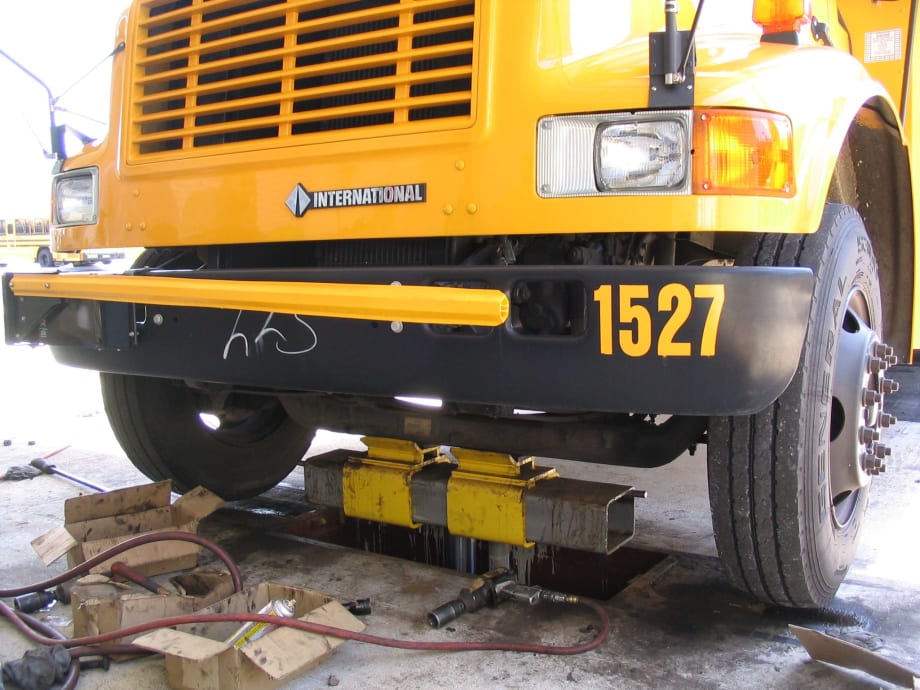
The LORISER1 wheel service lift uses a power system that is designed to combine hydraulics, a double acting piston, and a two-stage pump operating at optimum efficiency.
JOHNS ISLAND, S.C. — LoRiser Lift has introduced the LoRiser1 wheel service lift, which is specifically designed to make wheel removal for tire and brake work on heavy duty vehicles fast, easy and safe, company officials said.
A metal containment vault housing lift components is flush mounted in the floor of the wheel service bay. Vehicle wheels are lifted clear of the floor using flip-up, axle-engaging adapters suitable for either front or rear axles, according to the company.
LoRiser uses a power system that is designed to combine hydraulics, a double-acting piston and a two-stage pump operating at optimum efficiency. The power system and fluid reservoir are housed in the control console above the floor. Hydraulic lines (in conduit) from the power unit to the vault provide easy access and eliminate the possibility of soil contamination, company officials said. The lifting unit is designed to be completely out of the way when not in use. A remote control pendant allows the user to operate the lift anywhere along the length of the vehicle.
The manufacturer confirms a 15-30 minute time savings in setup/teardown for tire, brake and suspension applications, with a return on investment of a year or less.
Visit the LoRiser Lift website at www.LoRiserlift.com or call (888) 996-7426 for more information.
More Maintenance
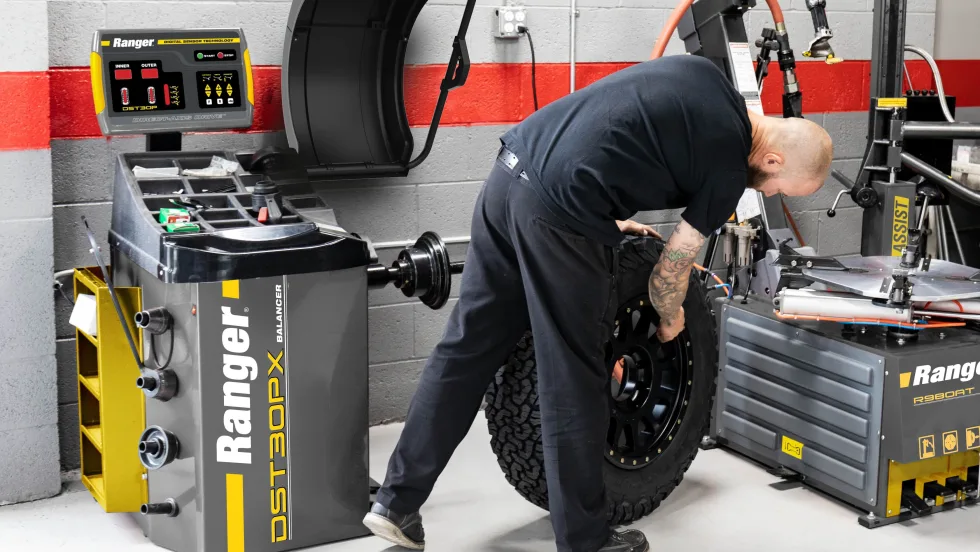
BendPak Launches Ranger DST30PX Wheel Balancer
BendPak's new wheel balancer handles tires up to 43 inches in diameter, with a reinforced design, precise weight placement, and faster service cycles.
Read More →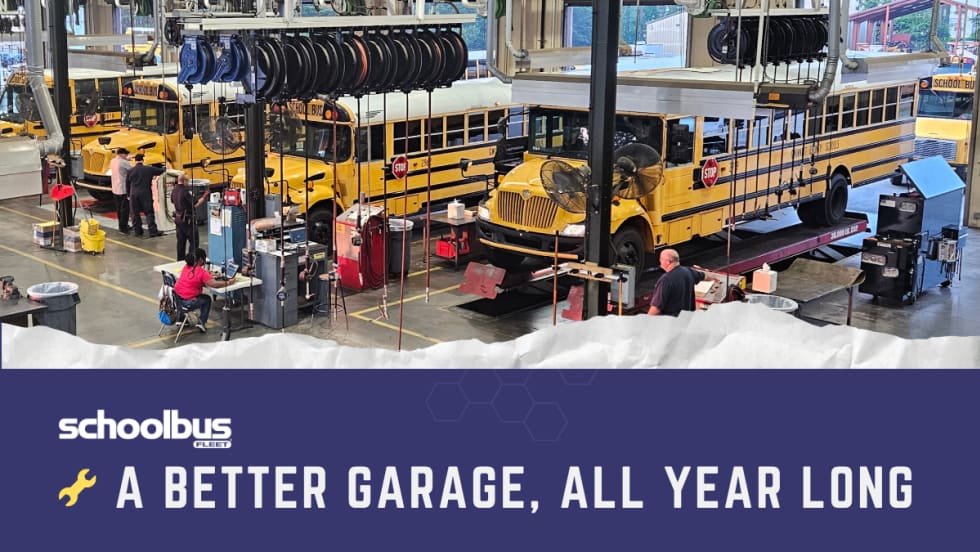
Tips for Ensuring School Bus Garages Are Safe and Warm Year-Round
Cold maintenance bays and rising heating costs? Learn how school bus garages can improve comfort with targeted heating, better airflow, and winter preparation.
Read More →
ASE Highlights School Bus Technician Certification Requirements
ASE is encouraging school bus maintenance professionals to maintain their certifications, highlighting seven specialized tests and five-year renewal requirements.
Read More →
International Adds E-Commerce Capabilities to Fleetrite.com
IC Bus customers can now browse, buy, and track shipments for more than 400,000 aftermarket parts online.
Read More →
The Most Expensive Thing You Do Before Selling a School Bus: Wait
When should you sell an aging school bus? Learn how maintenance, mileage, corrosion, specifications, and timing can affect resale value long before the auction.
Read More →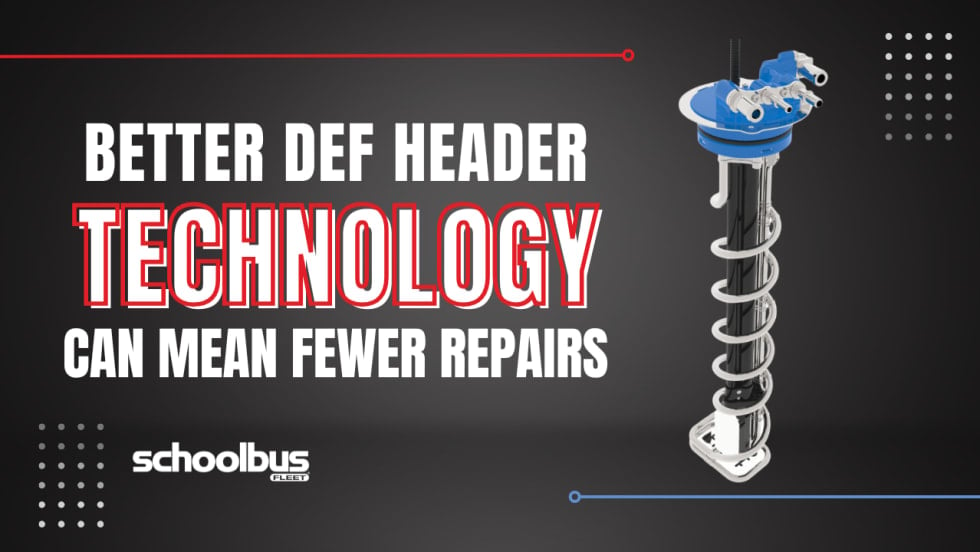
The Evolution of DEF Header Technology: What School Bus Operations Should Know at Replacement Time
See what school bus fleets should consider when replacing DEF headers to improve reliability, reduce repeat repairs, and control maintenance costs.
Read More →
The Essential Guide to School Bus Maintenance and Student Safety
Your district's buses carry students to school every day. This guide shows how predictive maintenance powered by fleet data helps keep buses reliable, drivers accountable and students safer from the first bell to the last stop.
Read More →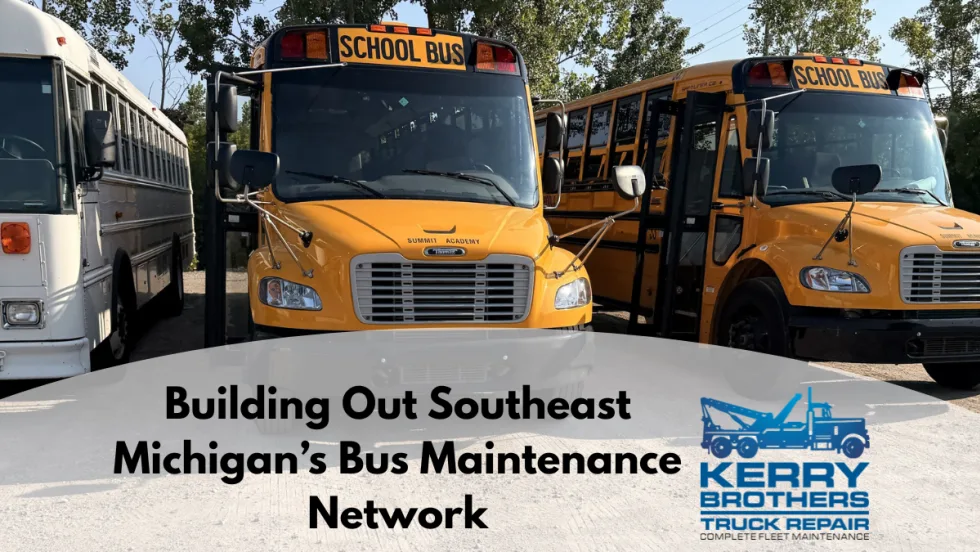
Kerry Brothers Grows Michigan School Bus Repair Network
The acquisition of Downriver Truck and Bus expands Kerry Brothers’ school bus maintenance footprint across southeast Michigan, adding repair capacity, diagnostic resources, and state inspection support.
Read More →
Noregon Introduces CAN Bus Diagnostic Tool, Expands JPRO Features
CAN Mentor and the latest JPRO update aim to simplify vehicle network diagnostics and improve repair efficiency for technicians of all experience levels.
Read More →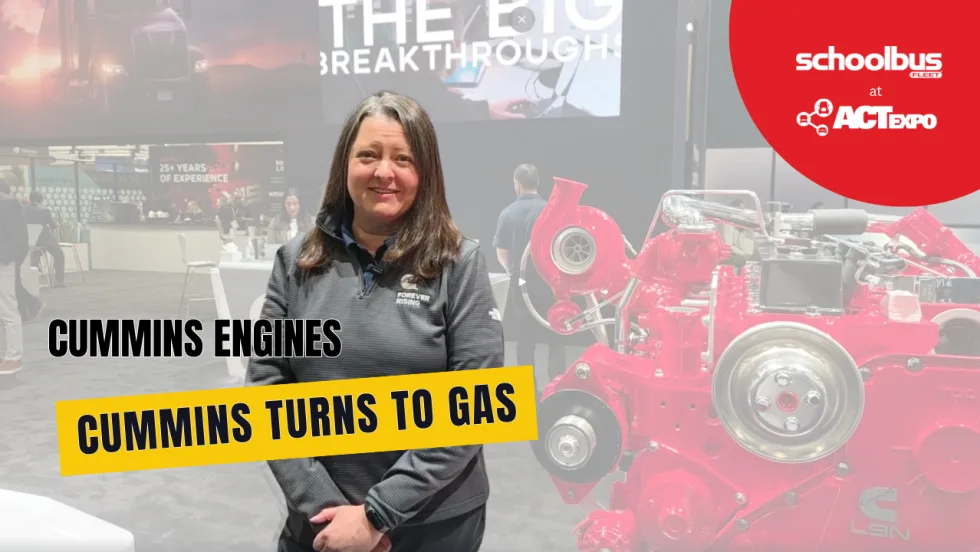
Cummins on Smarter, Simpler Engine Innovation
Cummins discusses its first-ever gasoline engine for school buses, EPA 2027, and why bus fleets still want durable, simpler internal combustion options.
Read More →