





Read More: Durham School Services Opens New Bus Yard in Florida
Idaho District First in State to Deploy Transportant Safety Tech
Transportant expands to its 18th state, as Jerome School District in Idaho plans to deploy 28 buses with its safety technology.
April 24, 2025
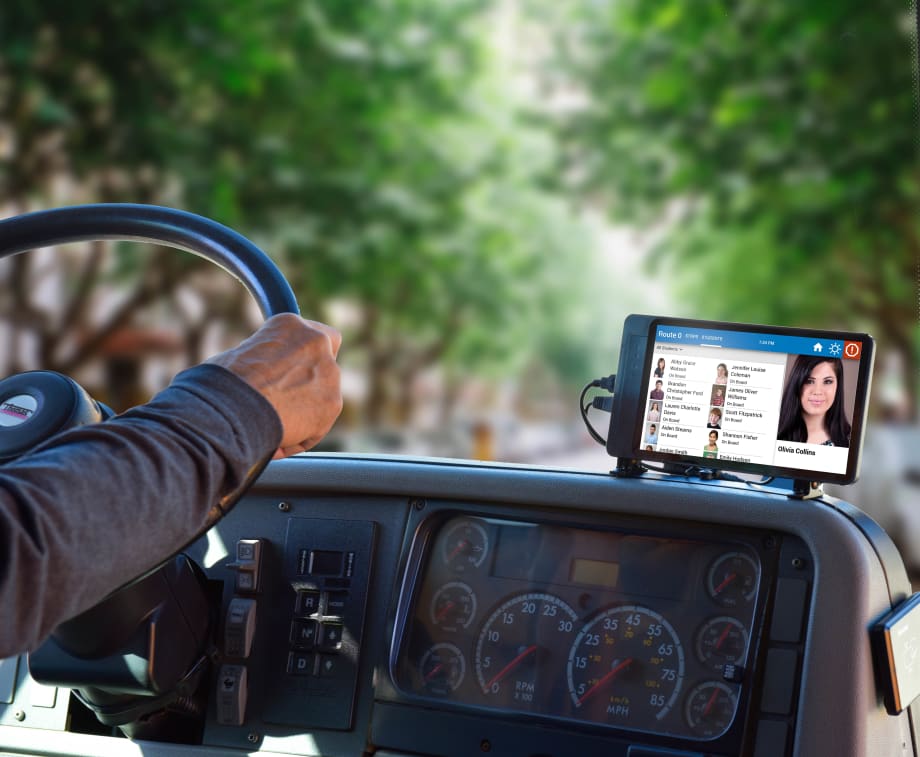
Transportant brings its safety technology to Idaho, with Jerome School District using it to keep 1,900 students safe during the 2025-26 school year.
Photo: Transportant
2 min to read
Transportant recently announced that Jerome School District in Idaho will integrate its technology into its buses for the 2025-2026 school year.
Jerome is the first district in Idaho to put the technology to use, installing it on 28 buses that travel 24 routes, serving seven schools with 1,900 students. The decision is part of a transition to the district's operation of student transportation.
“Student safety and driver support are priorities for our district,” said Tim Hicks, transportation director at the district. “The planned transition to district operations this year gave us time to thoroughly research and prepare the best service possible by incorporating the latest technology to support our students, transportation team members, and the community of Jerome.”
Preparing for the New Technology
To prepare for the unveiling of the buses next fall, Transportant is working with the district to create routing samples and complete training on the new technologies, including:
New live cameras and two-way communication in each bus allow administration to monitor student behavior and intervene to diffuse unsafe situations while on the road. New AI technology will also enable nighttime views to safeguard buses when parked, detecting if any kids, intruders, or other items are present.
New external stop-arm cameras will identify cars that illegally pass a stopped bus and record license plates for police.
Electronic passes for students to check on and off the bus, accounting for them and ensuring they are dropped at the right locations.
Tablets and software for drivers will help them build better relationships with students when they see photos and names of their riders. They will also create seating charts for compatibility and accommodating special needs. GPS turn-by-turn directions for drivers will eliminate distracting paper maps and aid new and substitute drivers.
A mobile app for parents to monitor where their buses and children are, particularly useful during field trips and for working parents who may be away when kids get on and off the bus, and if buses need to shelter kids in place during an emergency. Teens can also use the app to prepare for their bus’s arrival.
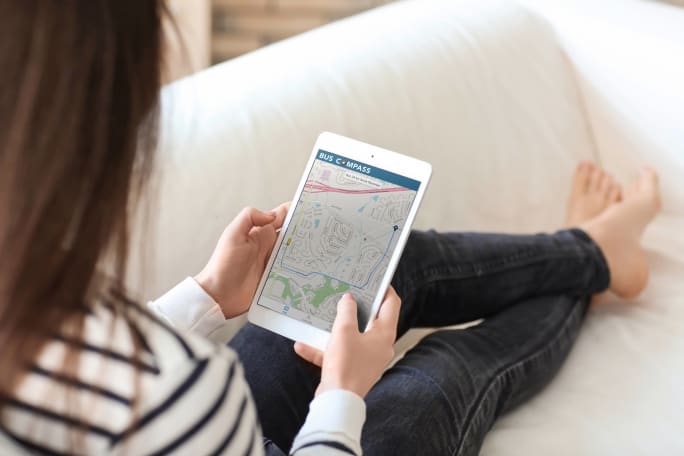
Transportant technology helps keep buses on track and kids safe on their way to school.
Photo: Transportant
“Our goal is to proactively address these issues by redesigning the school bus experience, which averages 146 hours per year per rider,” said Martin Staples, Transportant CEO. “Jerome’s new technology was inspired by consumer transportation technology like Uber, Google Maps, and DoorDash. You know when to expect an Amazon package and when dinner will arrive – it makes sense to know that your most precious cargo is being safely delivered.”
Transportant’s technology will be utilized in 18 states now, with more than 2,800 school buses being equipped with the technology.
More Management
How to Build a Better Driver Training Program
Ready to boost up your school bus instructor training? Here’s how to pick the right talent and improve recruitment, retention, and safety.
Read More →
CALSTART and Forth Combine to Form Catalyst Mobility
The new name represents a renewed vision for the nonprofit focused on advancing clean, equitable, and affordable transportation solutions that move people and goods.
Read More →
What Makes a Great School Bus Driver Trainer?
Choosing the right school bus driver trainer takes more than experience. Learn six keys to selecting and developing trainers and evaluating program effectiveness.
Read More →


School Bus Contractors Expand Through New Deals, Acquisitions & Partnerships
STA's Canadian division acquires Ontario-based G&L Stevenson Transport while Durham School Services adds a new district contract in California, First Student adds a New Jersey contract, and Minnesota Coaches acquires Halo Transportation.
Read More →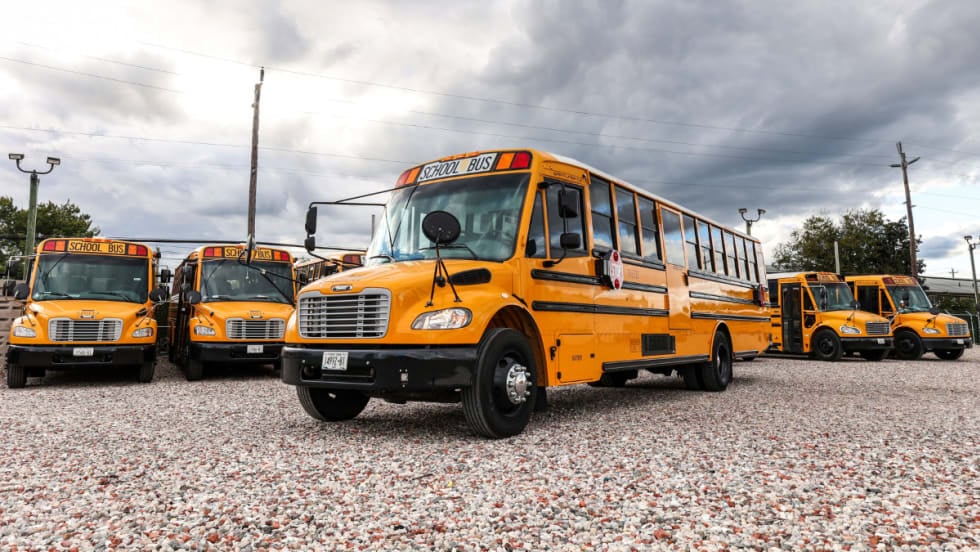
Logan Bus Company Rolls Out AI Phone System for NYC School Bus Families
A summer pilot found that AI agents could handle most routine calls, freeing up time for customer service staff to focus on emergencies and complex family concerns.
Read More →
From Intent to Impact: What I Learned About Leadership from TAPT
A Texas transportation supervisor shares lessons on self-awareness, accountability, managing stress and building trust — and why investing in leadership development matters at every stage of your career.
Read More →
NAPT Names 2026 Award Recipients, Hall of Fame Inductee
Who earned national recognition for their work in student transportation? This year, NAPT named five recipients of its 2026 awards for service, safety, and leadership, plus its newest Hall of Famer.
Read More →
Sponsored•September 2, 2026
2026 State of Student Transportation Report
Driver shortages. Rising costs. Growing safety expectations. More data, but not enough time to act on it. The 2026 State of Student Transportation Report reveals what transportation leaders say is putting the most pressure on their operations—and where they’re investing next. See how your priorities compare.
Read More →
How to De-Escalate an Angry Person: 5 Steps for Handling Workplace Conflict
What makes emotions run high, and how should you handle an angry colleague or parent? Follow these steps for staying calm, listening, showing empathy, and resolving conflict.
Read More →
Sponsored•September 1, 2026
What Readiness Looks Like This School Year
Learn about the challenges shaping the 2026–2027 school year, from persistent driver shortages and budget pressure to technology and readiness gaps. See how school districts are responding and adapting in Zonar’s 2026 Back-to-School Readiness Report.
Read More →