




IC Bus Investing $52M in Manufacturing Upgrades, Product Development
The school bus manufacturer upgrades its Tulsa, Oklahoma, plant and implements automotive lean manufacturing practices as it launches new products and technology in the market.

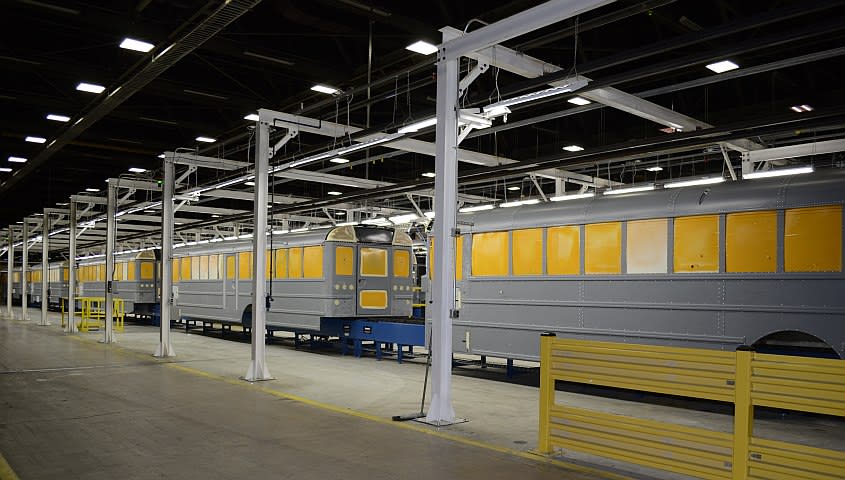
IC Bus has invested about $17 million in upgrades to its Tulsa, Oklahoma, plant, including to the painting process. Here, school buses wait to be painted in the pre-paint work station.
IC Bus has invested about $17 million in upgrades to its Tulsa, Oklahoma, plant, including to the painting process. Here, school buses wait to be painted in the pre-paint work station.
TULSA, Okla. — As it looks ahead to the next 10 years with a continued commitment to efficiency and quality, school bus manufacturer IC Bus has made significant investments in manufacturing practices, advanced technology, and product development.
The school bus manufacturer is investing $52 million over the next three years in its Tulsa-based plant, products, and technology, with a focus on on-time performance, said Trish Reed, vice president and general manager of IC Bus, in an interview at the Tulsa plant.
A sizable portion of that investment — about $17 million — has gone into plant upgrades, which will help to streamline production.
To that end, Chuck Sibley, the plant manager, has adopted some automotive lean manufacturing practices, such as the Andon System, which shows updates on the status of every work station on flat screens to get support to workers; just in time delivery; and storage of parts.
Sibley also identified and eliminated various types of waste, such as defects, overproduction, waiting, non-utilized talent, and excessive processes. To eliminate defects, he redid the steering wheel alignment process, and brought the bump test station outside for a flatter surface to ensure optimal conditions. He also conducted error proofing on each part of the build process. Plant workers now validate every feature on each bus before it leaves the plant. Additionally, to eliminate excessive processes, he changed the order of bus cleaning.
About $10 million went to drip rail and bow bender tooling; robot updates; a floor welder; a conveyance system; a pre-delivery inspection process; and pedestrian access. The additional $7 million was spent on improvements to the painting process; seat tie-down expansion; and a chassis line conveyor upgrade for expanded capacity.
The body line can still accommodate 457 workers, but is now split, which allows half of them to keep working in the event of a delay with the buses in the buffer, Sibley explained.
Sibley believes that this implementation of automotive manufacturing techniques at the plant is a first in the school transportation industry.
These upgrades underscore IC Bus’ commitment to the idea that the leader supports the operators, instead of the other way around, he added. In practice, that means that the leader owes the operator a safe work environment; feedback on performance; the right parts on time; appropriate training; recognition and rewards; a way to call for help; and the appropriate tools.
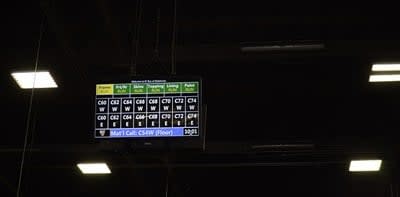
The plant has adopted some automotive lean manufacturing practices, such as the Andon System, which shows updates on the status of every work station on flat screens.
Additionally, a minimum of three workers are trained on each job so that at least one is available to do it at all times, in preparation for workers who may be out sick or on leave or vacation. The plant has a total of 1,400 employees.
The changes come as IC Bus launches its new concept, The Next Stop, which includes several products to be released over the course of the next 10 years. The first wave of aftermarket offerings this fall includes over the air programming (OTA) in addition to OnCommand Connection, its remote vehicle diagnostics system, Reed said.
The OnCommand Connection diagnostics system will help customers decide when they need to take a bus in to the dealership, she explained.
Meanwhile, IC Bus will soon release an accelerator program app for iPad that runs OTA programming for health diagnostics. The app is designed to enhance consistency in the service process.
More Management
How to Build a Better Driver Training Program
Ready to boost up your school bus instructor training? Here’s how to pick the right talent and improve recruitment, retention, and safety.
Read More →
CALSTART and Forth Combine to Form Catalyst Mobility
The new name represents a renewed vision for the nonprofit focused on advancing clean, equitable, and affordable transportation solutions that move people and goods.
Read More →
What Makes a Great School Bus Driver Trainer?
Choosing the right school bus driver trainer takes more than experience. Learn six keys to selecting and developing trainers and evaluating program effectiveness.
Read More →


School Bus Contractors Expand Through New Deals, Acquisitions & Partnerships
STA's Canadian division acquires Ontario-based G&L Stevenson Transport while Durham School Services adds a new district contract in California, First Student adds a New Jersey contract, and Minnesota Coaches acquires Halo Transportation.
Read More →
Logan Bus Company Rolls Out AI Phone System for NYC School Bus Families
A summer pilot found that AI agents could handle most routine calls, freeing up time for customer service staff to focus on emergencies and complex family concerns.
Read More →
From Intent to Impact: What I Learned About Leadership from TAPT
A Texas transportation supervisor shares lessons on self-awareness, accountability, managing stress and building trust — and why investing in leadership development matters at every stage of your career.
Read More →
NAPT Names 2026 Award Recipients, Hall of Fame Inductee
Who earned national recognition for their work in student transportation? This year, NAPT named five recipients of its 2026 awards for service, safety, and leadership, plus its newest Hall of Famer.
Read More →
2026 State of Student Transportation Report
Driver shortages. Rising costs. Growing safety expectations. More data, but not enough time to act on it. The 2026 State of Student Transportation Report reveals what transportation leaders say is putting the most pressure on their operations—and where they’re investing next. See how your priorities compare.
Read More →
How to De-Escalate an Angry Person: 5 Steps for Handling Workplace Conflict
What makes emotions run high, and how should you handle an angry colleague or parent? Follow these steps for staying calm, listening, showing empathy, and resolving conflict.
Read More →
What Readiness Looks Like This School Year
Learn about the challenges shaping the 2026–2027 school year, from persistent driver shortages and budget pressure to technology and readiness gaps. See how school districts are responding and adapting in Zonar’s 2026 Back-to-School Readiness Report.
Read More →