




HopSkipDrive Enters San Antonio, Minneapolis Markets
As districts face growing transportation challenges, HopSkipDrive’s expansion into San Antonio and Minneapolis aims to fill critical gaps in student mobility.

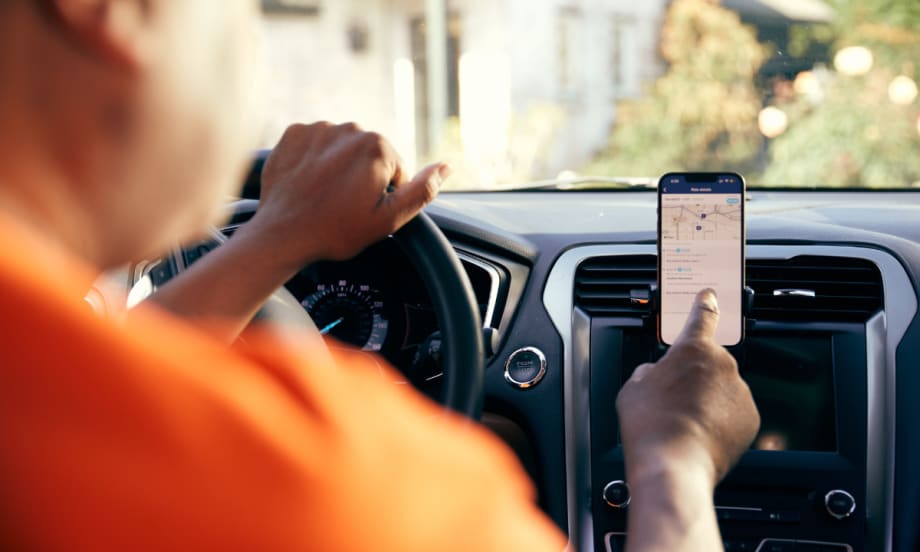
HopSkipDrive’s entrance into two new markets strengthens its national network, supporting more than 13,500 schools.
Photo: HopSkipDrive
HopSkipDrive has launched service in San Antonio, Texas, and Minneapolis, Minnesota, to help local schools and districts supplement school bus transportation.
This news builds on HopSkipDrive’s presence across Texas, where the company has supported schools and districts in Austin, Dallas-Fort Worth, Houston, and Midland for over five years, including Cypress-Fairbanks ISD, Duncanville ISD, and Leander ISD.
“A safe and dependable ride is crucial to student success,” said Joanna McFarland, CEO and Co-Founder of HopSkipDrive. “We’re excited to bring HopSkipDrive’s innovative school transportation solutions to San Antonio, offering a new option for families and districts. We look forward to partnering with educators across San Antonio to complement traditional yellow buses and help all students reach their full educational potential.”
Minneapolis Districts Struggle With Driver Shortage
Districts in Minneapolis, according to a company release, are facing significant challenges in providing the “flexible and legally mandated” transportation that is needed for highly mobile students, such as youth experiencing homelessness.
To better understand the complex factors involved in supporting consistent attendance for youth experiencing homelessness, Minneapolis Public Schools (MPS) worked with SchoolHouse Connection to survey caregivers, students, school staff, and community partners to “learn more about what types of support were most useful in supporting students to fully engage in school during a period of housing instability.”
The results of the survey found:
The survey found that approximately 80% of caregivers whose high school students regularly attended school during periods of housing instability attributed this success primarily to having consistent transportation.
In contrast, 67% of caregivers whose children did not attend school regularly during such periods identified a lack of consistent transportation as the main barrier.
MPS budget data for the 2025–2026 school year indicate a 40% increase in students identified as experiencing homelessness or high mobility from the previous year. Transportation for special education and highly mobile students accounts for the largest proportion of the district’s overall transportation costs.
Although Minneapolis began offering a $3,000 bonus for new drivers on top of increasing driver pay, “the Minnesota School Bus Operations Association indicated that a number of districts were still searching for bus drivers, leaving school staff to step in to make sure kids have a ride to school.”
In response to these ongoing challenges in the Minneapolis-Saint Paul area, some schools offer middle- and high-school students a public transit student pass.
Public transit is not, however, a good fit for all students, particularly those with disabilities who may require specialized accommodations.
“We love that CareDrivers are connected with resources on best practices in working with special needs students,” said Prince William County Public Schools. “For example, how to de-escalate or redirect a dysregulated student, how to provide the best experience for a student with autism, and more.”
HopSkipDrive now provides nationwide school transportation support, serving over 13,500 schools.
More Management

How to Build a Better Driver Training Program
Ready to boost up your school bus instructor training? Here’s how to pick the right talent and improve recruitment, retention, and safety.
Read More →
CALSTART and Forth Combine to Form Catalyst Mobility
The new name represents a renewed vision for the nonprofit focused on advancing clean, equitable, and affordable transportation solutions that move people and goods.
Read More →
What Makes a Great School Bus Driver Trainer?
Choosing the right school bus driver trainer takes more than experience. Learn six keys to selecting and developing trainers and evaluating program effectiveness.
Read More →

School Bus Contractors Expand Through New Deals, Acquisitions & Partnerships
STA's Canadian division acquires Ontario-based G&L Stevenson Transport while Durham School Services adds a new district contract in California, First Student adds a New Jersey contract, and Minnesota Coaches acquires Halo Transportation.
Read More →
Logan Bus Company Rolls Out AI Phone System for NYC School Bus Families
A summer pilot found that AI agents could handle most routine calls, freeing up time for customer service staff to focus on emergencies and complex family concerns.
Read More →
From Intent to Impact: What I Learned About Leadership from TAPT
A Texas transportation supervisor shares lessons on self-awareness, accountability, managing stress and building trust — and why investing in leadership development matters at every stage of your career.
Read More →
NAPT Names 2026 Award Recipients, Hall of Fame Inductee
Who earned national recognition for their work in student transportation? This year, NAPT named five recipients of its 2026 awards for service, safety, and leadership, plus its newest Hall of Famer.
Read More →
2026 State of Student Transportation Report
Driver shortages. Rising costs. Growing safety expectations. More data, but not enough time to act on it. The 2026 State of Student Transportation Report reveals what transportation leaders say is putting the most pressure on their operations—and where they’re investing next. See how your priorities compare.
Read More →
How to De-Escalate an Angry Person: 5 Steps for Handling Workplace Conflict
What makes emotions run high, and how should you handle an angry colleague or parent? Follow these steps for staying calm, listening, showing empathy, and resolving conflict.
Read More →
What Readiness Looks Like This School Year
Learn about the challenges shaping the 2026–2027 school year, from persistent driver shortages and budget pressure to technology and readiness gaps. See how school districts are responding and adapting in Zonar’s 2026 Back-to-School Readiness Report.
Read More →