





Related: Coronavirus/COVID-19 Resource Page for Student Transportation
Guidance Issued for Families First Act to Support Nation During Crisis
Fact Sheets and a Q & A document address critical questions about taking advantage of the protections and relief offered by the Families First Coronavirus Response Act when it takes effect on April 1.
March 26, 2020

Documents from the U.S. Department of Labor address critical questions about the relief offered by the Families First Coronavirus Response Act when it takes effect on April 1. Photo courtesy Pixabay
2 min to read

Documents from the U.S. Department of Labor address critical questions about the relief offered by the Families First Coronavirus Response Act when it takes effect on April 1. Photo courtesy Pixabay
This story initially appeared in Metro Magazine, School Bus Fleet’s sister publication.
The U.S. Department of Labor’s Wage and Hour Division (WHD) announced its first round of published guidance to help employees and employers take advantage of the protections and relief offered by the Families First Coronavirus Response Act (FFCRA) when it takes effect on April 1.
FFCRA aims to help the U.S. combat and defeat COVID-19 by giving all American businesses with fewer than 500 employees funds to provide employees with paid leave, either for the employee’s own health needs or to care for family members, according to a news release from the WHD. The legislation will ensure that workers are not forced to choose between their paychecks and the public health measures needed to combat the virus while at the same time reimbursing businesses, according to the division.
The guidance — provided in a Fact Sheet for Employees, a Fact Sheet for Employers, and a Questions and Answers (Q & A) document — addresses critical questions, such as how an employer must count the number of their employees to determine coverage; how small businesses can obtain an exemption; how to count hours for part-time employees; and how to calculate the wages employees are entitled to under this law.
“Providing information to the American workforce is a top priority for the Wage and Hour Division,” said Administrator Cheryl Stanton. “With so many workers and so many employers struggling to find their way in these trying conditions, providing guidance on a rolling basis will allow workers and businesses to prepare for the law to go into effect on April 1, 2020. We remain committed and are working around the clock to provide the information and tools for employees and employers alike.”
The guidance announced is just the first round of information and compliance assistance to come from WHD. A workplace poster required for most employers will be published later this week, according to the division, along with additional fact sheets and more Q & As.
WHD provides additional information on common issues employers and employees face when responding to COVID-19, and its effects on wages and hours worked under the Fair Labor Standards Act and job-protected leave under the Family and Medical Leave Act here.
More Management

Changing Lanes: BusWhere, EverDriven, InterMotive, Summit School Services, Switzer-Carty & Thomas Built Buses
Check out who's been hired, promoted, and appointed to leadership positions at various school transportation suppliers, contractors, and manufacturers.
Read More →
The Most Expensive Thing You Do Before Selling a School Bus: Wait
When should you sell an aging school bus? Learn how maintenance, mileage, corrosion, specifications, and timing can affect resale value long before the auction.
Read More →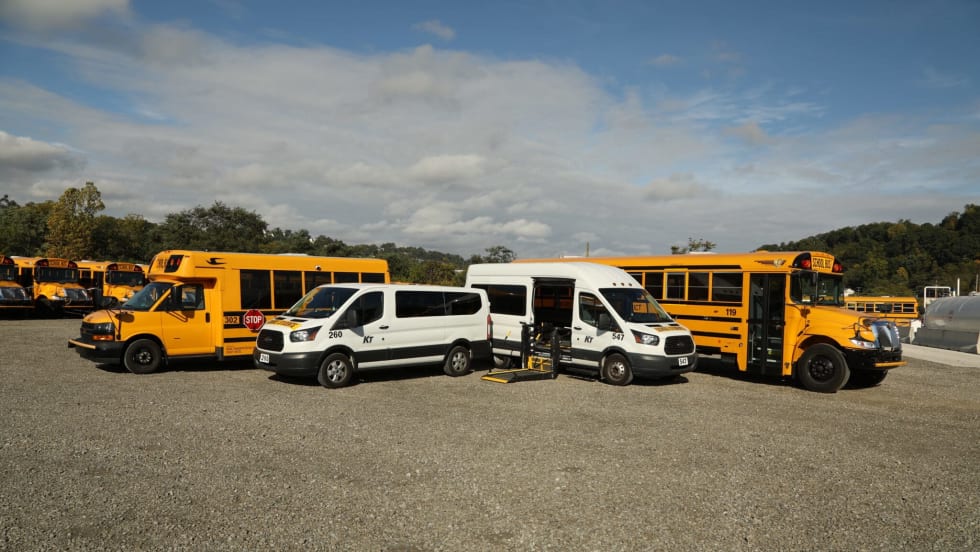
American Student Transportation Partners Acquires AJ Myers and Sons
A new deal brings a 75-year Pennsylvania student transportation provider into one of the nation’s largest private school bus contracting groups.
Read More →

What I Brought Home From SBFX: Relationships, Leadership, and Preparing What's Next
Who could lead your transportation operation tomorrow if you couldn't? Bernando Brown explores succession planning, mentorship, and preparing emerging leaders to step up.
Read More →
Inside School Bus Fleet ConneX 2026: Industry Leaders Connect in Scottsdale [Photos]
See highlights from SBFX 2026 in Arizona, where school bus operators and suppliers gathered for meetings, education, networking, awards, and more.
Read More →
School Transportation’s Biggest Pressures and Opportunities: SBFX Attendees Weigh In
School bus operators point to rising costs, staffing, and vehicle prices as immediate pressures while identifying technology, training, and routing as opportunities for growth.
Read More →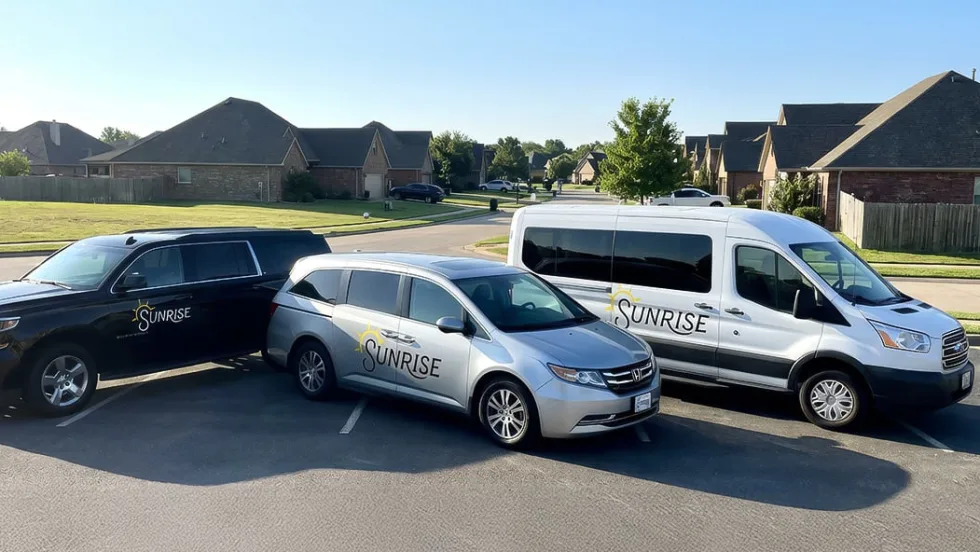
STA Acquires Sunrise Transportation
Student Transportation of America expands in Illinois and Connecticut through Sunrise's fleet of nearly 1,000 vehicles.
Read More →
EPA Opens $180M DERA Funding Round for Diesel Upgrades
The 2026 Diesel Emissions Reduction Act program seeks applications from eligible organizations to accelerate the retirement of legacy diesel vehicles.
Read More →
HopSkipDrive’s CareEngine Targets the ‘Exceptions’ in Student Transportation
The new platform works alongside districts’ existing transportation management systems to coordinate specialized rides, automate last-minute changes, and turn ride data into operational improvements.
Read More →
The Right Ride for Every Student: Navigating the New Student Transportation Ecosystem
How should districts blend school buses with small-vehicle transportation and other options? EverDriven CEO Mitch Bowling discusses safety, costs, partnerships, and strategy.
Read More →