




Giving credit where credit is due
From the day NHTSA’s notice of proposed rulemaking was issued, NAPT took a strong and principled stance against it, arguing that sound science and data analysis should rule the day, rather than emotion and political expediency.

By Mike Martin, NAPT Executive Director
What a difference six weeks can make.
That was when — based on what the National Highway Traffic Safety Administration (NHTSA) proposed in its regulatory notice about school bus occupant protection — NAPT was concerned that NHTSA would issue a de facto mandate that installing lap-shoulder belts in large school buses is a “best practice” and the “right thing to do.”
From the day NHTSA’s notice of proposed rulemaking was issued, NAPT took a strong and principled stance against it, arguing that sound science and data analysis should rule the day, rather than emotion and political expediency.
Well, NHTSA obviously listened to our appeal for objectivity, because the agency issued a final rule on Oct. 15 that, in our view, is a far cry from what it proposed nearly a year ago.
But six weeks ago, anticipating a very different and unacceptable final rule from NHTSA, and because magazines have long lead times, I wrote a very strong op-ed for the October issue of SCHOOL BUS FLEET: “Seat Belts on Buses? Politics and Money Will Rule in the End.”
The perspective was appropriate at the time, because every indication was that politics were heavily in play, so we wanted to keep the pressure on them to make fact-based and science-based decisions on very contentious matters.
Just wanted those who read my op-ed piece to know that it was written well in advance of the NHTSA final rule and is no longer relevant. Instead, NHTSA’s current leaders and especially Charles Hott deserve a salute for listening carefully and taking seriously our perspective and comments.
I applaud the agency for addressing the concerns expressed by NAPT members and other school bus professionals, and I look forward to working with them to help states and local school bus service providers understand and appreciate the new occupant protection guidelines.
More Safety

Doing More With Less: How Transportation Directors Can Prioritize Safety Amid Budget Uncertainty
With diesel prices soaring and nearly one-third of transportation directors expecting budget cuts, maintaining student safety has never been more challenging. Download this guide to learn how leading districts are prioritizing risk, funding critical safety technology, and building stronger budget cases with data.
Read More →
How To Build a More Secure School Bus Yard During and After Hours
As thefts and overnight security threats continue, school transportation leaders are combining stronger operational practices with AI-enabled surveillance to better protect buses, facilities, and staff.
Read More →
FMCSA Names New Chief Safety Officer: What School Bus Operators Should Know
Steve Dowling is set to lead the federal agency's efforts to advance commercial motor vehicle safety and reduce crashes, fatalities, and injuries on the nation's roadways.
Read More →
New Study Finds School Zone Speed Safety Cameras Cut Speeding Violations 97%
A Florida university's research demonstrates that Verra Mobility's automated enforcement changes driver behavior and significantly improves school zone safety.
Read More →
What Changed in DOT’s New National Roadway Safety Strategy?
The federal agency's new plan shifts its focus to safer people, roads and vehicles, with a new three-pronged approach instead of five. One outlined action even addresses a key industry concern around illegal school bus passing.
Read More →
Are Autonomous Vehicles Ready to Safely Navigate School Bus Stops?
NHTSA is accelerating autonomous vehicle deployment through new safety standards and commercial approvals. See why school transportation leaders are watching.
Read More →
NFL Star Lomas Brown Kicks Off New Illegal School Bus Passing PSA
Just in time for the back-to-school season, the former Detroit Lions offensive tackle took time to record a video encouraging motorists to slow down around school buses.
Read More →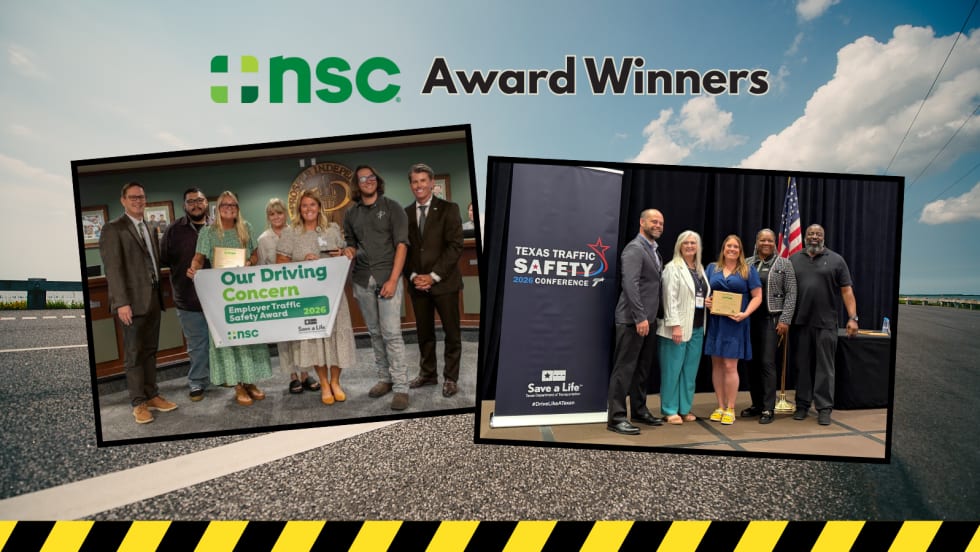
How Two Texas Districts Built Award-Winning Safety Programs
Learn how Prosper ISD and Rockwall ISD earned National Safety Council honors through hands-on training, safety culture, and strategies that reduced transportation incidents.
Read More →
NHTSA Releases 10-Year Review of Fatal School Bus Crashes
The latest federal analysis reinforces the safety of school buses while identifying where school-age pedestrians and other motorists remain most at risk.
Read More →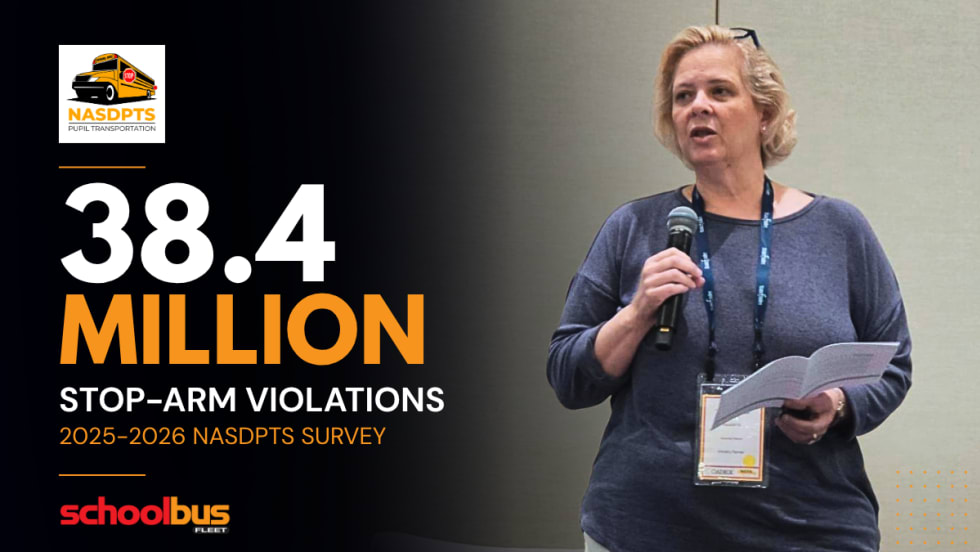
2026 NASDPTS Survey: Data Shows Further Reduction of Illegal Passing
New data is in! School bus stop-arm passings are down to 38.4 million violations per year, about a 2.3% decrease from last school year — but passings on the right side of the bus are higher than ever.
Read More →