




FMCSA withdraws training proposal for commercial vehicle drivers
The 2007 Notice of Proposed Rulemaking would have required additional training for entry-level operators of commercial vehicles — including school buses — who cross state lines. Officials say on Thursday that the proposal was withdrawn “because commenters to the NPRM, and participants in the agency’s 2013 public listening sessions, raised substantive issues which have led the agency to conclude that it would be inappropriate to move forward with a final rule based on the proposal.”
WASHINGTON, D.C. — The Federal Motor Carrier Safety Administration (FMCSA) has withdrawn a 2007 Notice of Proposed Rulemaking (NPRM) that would have required additional training for entry-level operators of commercial vehicles — including school buses — who cross state lines.
Pupil transportation industry officials, including those from the National Association of State Directors of Pupil Transportation Services (NASDPTS) and the National School Transportation Association (NSTA), had expressed concerns about the proposed rulemaking after it was introduced.
In 2008, NASDPTS said that the rulemaking would significantly increase transportation costs for school districts and exacerbate driver shortages, and the association requested that school bus drivers be exempted from the proposal.
In making its case, NASDPTS cited the superior safety record of the pupil transportation industry, particularly in interstate travel.
“Going back at least 15 years, we can identify only one fatal school bus crash in interstate transportation,” NASDPTS wrote in a comment on the NPRM. “The NPRM does not identify any school bus-specific driver training or interstate safety concerns.”
NSTA also cited the financial impact that the NPRM would have had on the school bus industry in expressing its opposition to the NPRM. The association estimated that the financial impact would have been $88,408,800 in the first year.
In a notice from the FMCSA on Thursday, the agency said that it has withdrawn the proposal “because commenters to the NPRM, and participants in the agency’s 2013 public listening sessions, raised substantive issues which have led the agency to conclude that it would be inappropriate to move forward with a final rule based on the proposal.”
FMCSA also said that it is conducting two research projects to gather supporting information on the effectiveness of entry-level driver training standards.
The first study will randomly sample CDL holders who received their license in the last three years and were identified as recently employed as a commercial motor vehicle driver using information from the Motor Carrier Management Information System and the Commercial Driver License Information System. The drivers’ safety performance data from these two systems will be analyzed against the type and amount of training they received.
The second study will gather information from various sources to identify the relationship of training to safety performance. The sources include: carriers; CDL training schools; and state driver’s license agency records. This study will also examine the safety performance of drivers in two states that have regulations dealing with different aspects of CDL driver training.
A new rulemaking will be based on the results of those studies.
“We are grateful that FMCSA has taken the opportunity for a more thorough research process on this regulation,” NSTA President Tim Flood said. “The financial and procedural consequences of this regulation on the school transportation industry are significant, and a thoughtful approach is in the best interests of all. Safety is without a doubt our top priority, but we must consider every change to current regulations carefully. FMCSA has made the right decision.”
NASDPTS Executive Director Bob Riley added he was “pleased … that FMCSA has responded to our concerns,” and he said that FMCSA has agreed to attend the upcoming NASDPTS conference in Grand Rapids, Mich., to present an update on FMCSA rulemakings and to address its decision-making process regarding the NPRM withdrawal.
The withdrawal notice from the FMCSA is available here.
More Safety
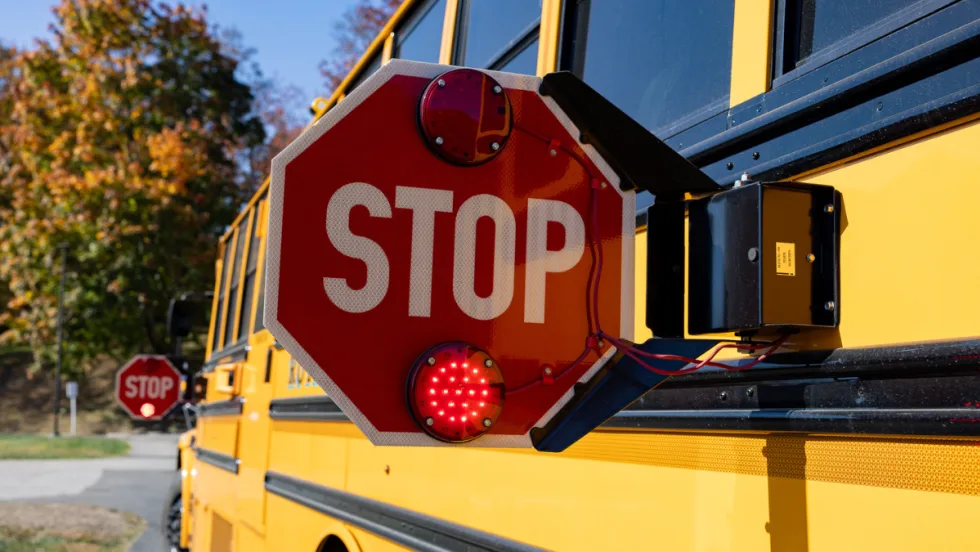
Illegal School Bus Passing Drops 24% in New York Districts
With fewer than 5% of citations involving repeat offenders, Westchester County officials said enforcement, education, and community partnerships are helping change driver behavior.
Read More →
School's Back. Here's What Happened to Traffic, Speeding & Distraction
What happens to traffic when school resumes? New data analysis examines changes in distracted driving, congestion, and speeding around schools.
Read More →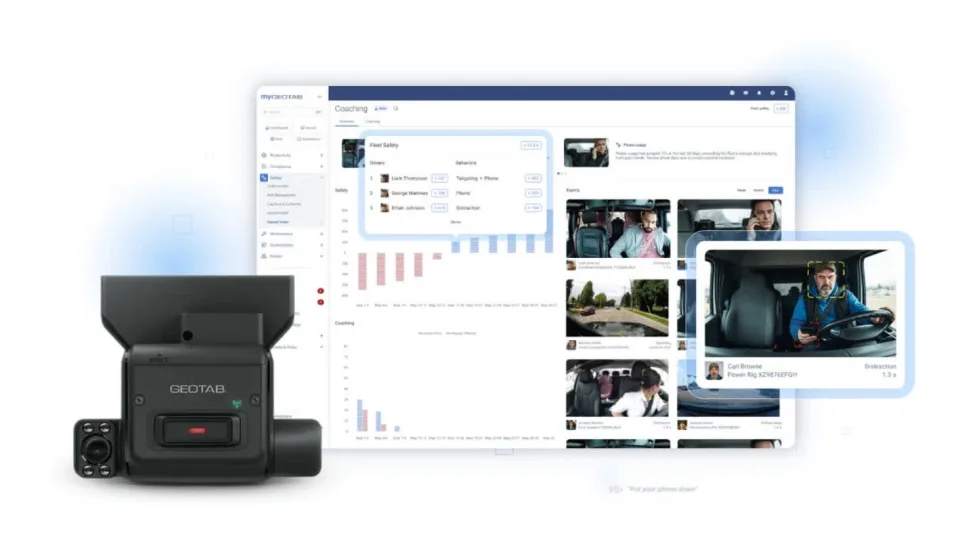
Geotab Expands Fleet Safety Tools With Video Coaching, Risk Insights
New safety and video capabilities aim to help fleet managers assess risk, support drivers, and take targeted action through video coaching, red-light violation detection, and more.
Read More →

How to Build a Better School Bus Driver Training Program
Is it time to strengthen your driver training? Here’s how to pick the right talent and improve recruitment, retention, and safety. This video is brought to you by IC Bus.
Read More →
Recent School Bus Accidents Leave 2 Dead, 2 Injured
Four school bus crashes in Florida, Illinois, and Georgia highlight risks in transportation lots, at bus stops, and during student loading and unloading.
Read More →
When Every Second Matters, Clarity Keeps Routes Moving
From routine delays to urgent incidents, strong communication practices help drivers, dispatchers, schools, and families respond with confidence.
Read More →
What Happens When a School Bus Catches Fire — and What Can Help
School bus fires are rare but can be devastating. Learn how advances in fire suppression and asset protection help fleets detect fires earlier, reduce damage, and improve safety.
Read More →
Geotab Launches Tool to Help Fleets Investigate Road Incidents
Geotab Investigations combines telematics data, video, documents, and other evidence to help fleets reconstruct incidents, resolve claims, and determine what happened.
Read More →
Texas Sixth Grader Wins 2026 National School Bus Safety Poster Contest
Sai Darshana Yekolu of Moseley Middle School in Prosper, Texas, was named the newest winner for her artwork, bringing the theme of “Safe Rides, Everyday Heroes” to life.
Read More →
Doing More With Less: How Transportation Directors Can Prioritize Safety Amid Budget Uncertainty
With diesel prices soaring and nearly one-third of transportation directors expecting budget cuts, maintaining student safety has never been more challenging. Download this guide to learn how leading districts are prioritizing risk, funding critical safety technology, and building stronger budget cases with data.
Read More →