




Feds’ Proposal Would Mandate Speed Limiters on Large Buses
New commercial vehicles, including school buses, with a GVWR of more than 26,000 pounds would have to be equipped with devices that cap their speed.


A proposed rulemaking would require new commercial vehicles, including school buses, with a GVWR of more than 26,000 pounds to be equipped with devices that cap their speed. Photo by John Horton

A proposed rulemaking would require new commercial vehicles, including school buses, with a GVWR of more than 26,000 pounds to be equipped with devices that cap their speed. Photo by John Horton
WASHINGTON, D.C. — Large commercial vehicles, including school buses, would have to be equipped with speed limiters under a proposal from federal regulators.
The proposed rulemaking, issued by the National Highway Traffic Safety Administration (NHTSA) and the Federal Motor Carrier Safety Administration (FMCSA), would require the speed-limiting devices on newly manufactured trucks, buses, and multi-purpose passenger vehicles with a gross vehicle weight rating of more than 26,000 pounds.
The devices would have to be set to a maximum speed, which would be specified in a final rule if the agencies move forward with the rulemaking.
NHTSA and FMCSA, both divisions of the U.S. Department of Transportation, said that the measure could save lives and cut an estimated $1.1 billion in fuel costs per year.
“There are significant safety benefits to this proposed rulemaking,” Transportation Secretary Anthony Foxx said. “In addition to saving lives, the projected fuel and emissions savings make this proposal a win for safety, energy conservation, and our environment.”
The proposal discusses the benefits of setting the maximum speed at 60, 65, and 68 miles per hour, but the agencies said that they would consider other speeds based on public input.
“This is basic physics,” NHTSA Administrator Mark Rosekind said. “Even small increases in speed have large effects on the force of impact. Setting the speed limit on heavy vehicles makes sense for safety and the environment.”
Under the proposal, motor carriers operating commercial vehicles in interstate commerce would be responsible for maintaining the speed-limiting devices at or below the designated speed for the service life of the vehicle.
The proposed rulemaking can be viewed here. Comments on the proposal can be submitted at www.regulations.gov.
More Management
EverDriven Launches Route Consolidation Calculator to Estimate Diesel Savings
As diesel prices hit record highs, the largest alternative transportation provider says a 10% route consolidation could save a 120-route district more than $78,000 a year in fuel alone.
Read More →
Zum Secures Continued Financing Support for School Bus Expansion
Generate Private Credit has financed approximately $75 million in school bus deployments across three states, supporting more than 500 buses as Zum expands across the county.
Read More →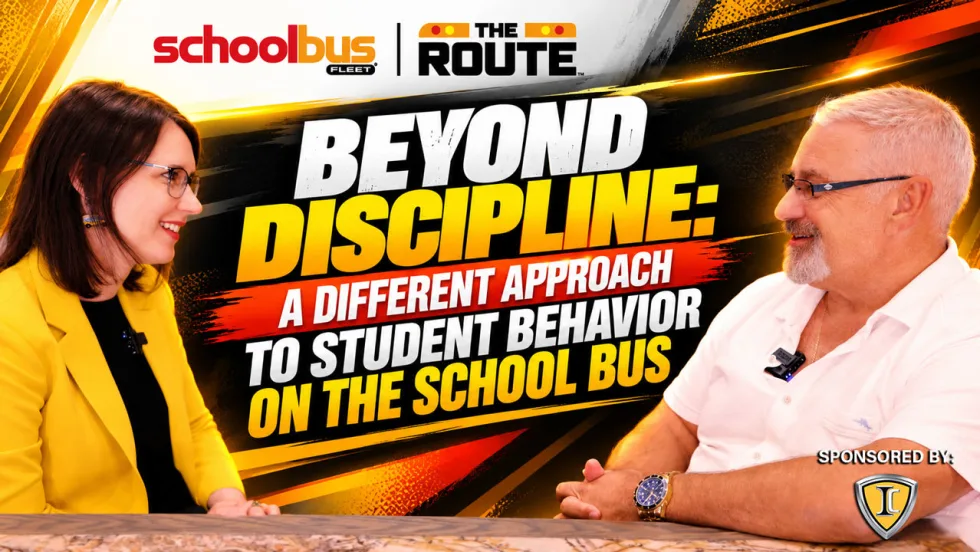
Beyond Discipline: A Different Approach to Student Behavior on the Bus
After implementing a dean of students program in Oregon, North Clackamas is seeing positive improvements. Here’s how it worked. The Route is brought to you by IC Bus.
Read More →
A Dean of Transportation's Different Approach to Student Behavior on the School Bus
After implementing a dean of students program in Oregon, North Clackamas is seeing positive improvements on the bus. Here’s how it worked.
Read More →
Inside NAPT ACTS 2026: Highlights from Louisville
From federal updates and student behavior strategies to new school bus technology and industry awards, see highlights from NAPT ACTS 2026 in Louisville.
Read More →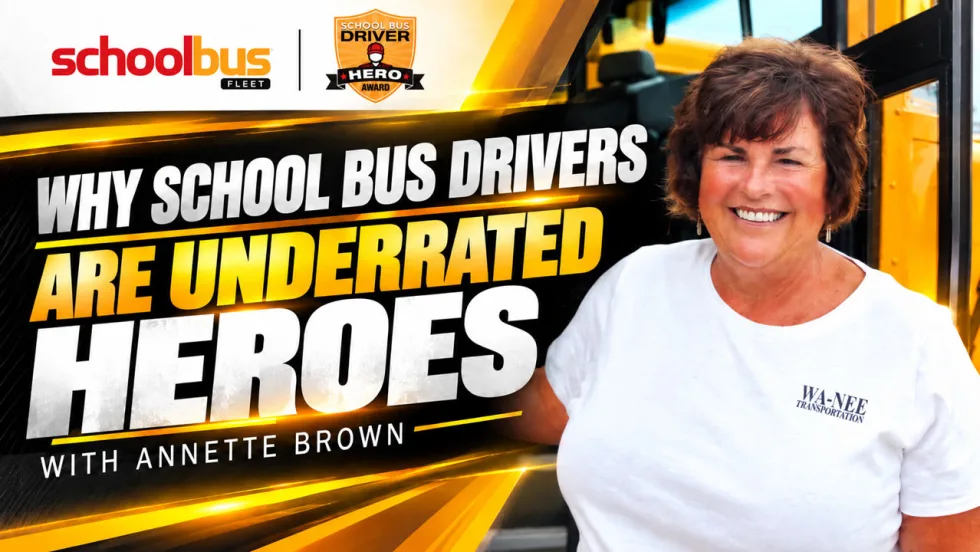
Meet the 2025 School Bus Driver Hero Winner: Annette Brown
We caught up with Wa-Nee Community Schools' Annette Brown on site at SBFX, where she was named the 2026 School Bus Driver Hero Award winner. Hear about her reaction, what she loves most about being a school bus driver, and more!
Read More →
Predictability Is Like Ketchup (According to 6-Year-Olds)
To students, a different school bus can feel like a full-blown crisis. One driver reflects on why familiar routines, showing up on time, and being reliably boring matter more than we think.
Read More →
Samsara Launches Free Driver Rewards Program
The new Driver Perks program gives eligible professional drivers access to discounts and offers without adding a cost for participating fleets.
Read More →
How Tax-Exempt Municipal Leases Can Help Finance School Buses
Let’s explore school bus financing options, including municipal leases, vendor payable accounts, and balloon payments, and how they can help stretch fleet budgets.
Read More →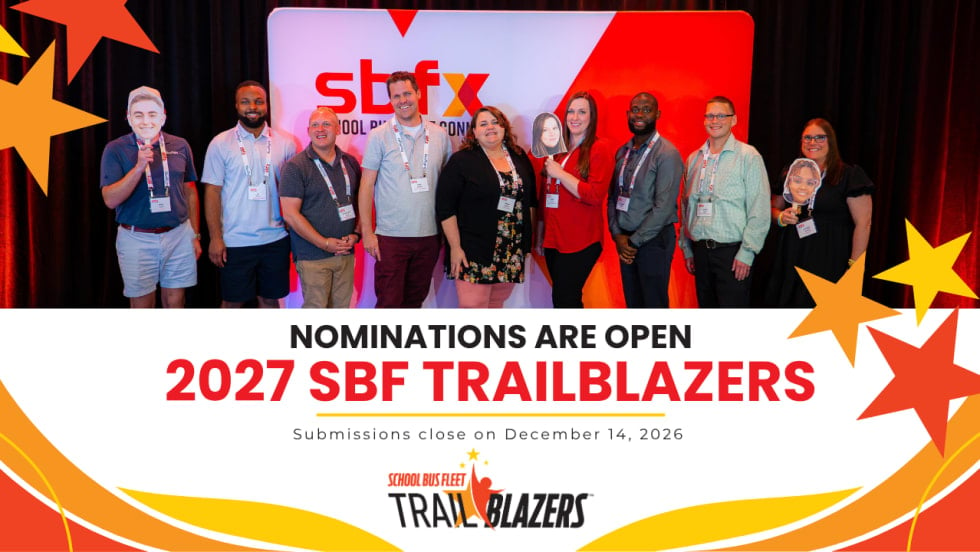
Nominate Rising School Transportation Pros Under 40!
We’re searching for the next generation of leaders making an impact across the K-12 student transportation industry to recognize as SBF’s 2027 Trailblazers. Nominations are open now!
Read More →