




Feds give guidance on special-needs transportation
New Q&A document from the U.S. Department of Education provides clarification on IDEA regulations for transporting students with disabilities. Topics covered include communication, mainstreaming on regular routes and climate control on buses.

WASHINGTON, D.C. — The U.S. Department of Education (DOE) has issued a new Q&A document intended to clarify regulations on transporting students with disabilities.
Among the topics covered in the Q&A are communication, mainstreaming on regular routes and climate control on buses.
The document addresses regulations for Part B of the Individuals With Disabilities Education Act that became effective in October 2006 and December 2008.
The DOE’s Office of Special Education and Rehabilitative Services (OSERS) said it has received requests for clarification of some of these regulations. The transportation Q&A is one in a series of documents that “address some of the most important issues raised by requests for clarification on a variety of high-interest topics,” according to OSERS.
In a question about strategies that can be used to provide transportation service, OSERS recommends that school districts explore options for integrating children with disabilities with nondisabled students (a practice also known as mainstreaming), “especially when the children with disabilities are in the same location and have the same schedule as children without disabilities.”
OSERS notes that this option may require the use of a lift-equipped vehicle for the regular routes or the addition of a monitor or aide.
One question asks when the IDEA requires climate-controlled transportation for children with disabilities. OSERS answers that climate-controlled transportation is not explicitly required under the IDEA, but “if an IEP team determines that a child needs climate-controlled transportation to receive special education services, related services, or both, and the child’s IEP specifies that such transportation is necessary, the LEA must provide this special transportation at no cost to the parents.”
OSERS also notes that transporting nondisabled children in climate-controlled buses while children with disabilities are transported in separate buses that are not climate-controlled might raise issues of disability discrimination under Section 504 of the Rehabilitation Act of 1973.
To view the full transportation Q&A, click here.
More Special Needs Transportation
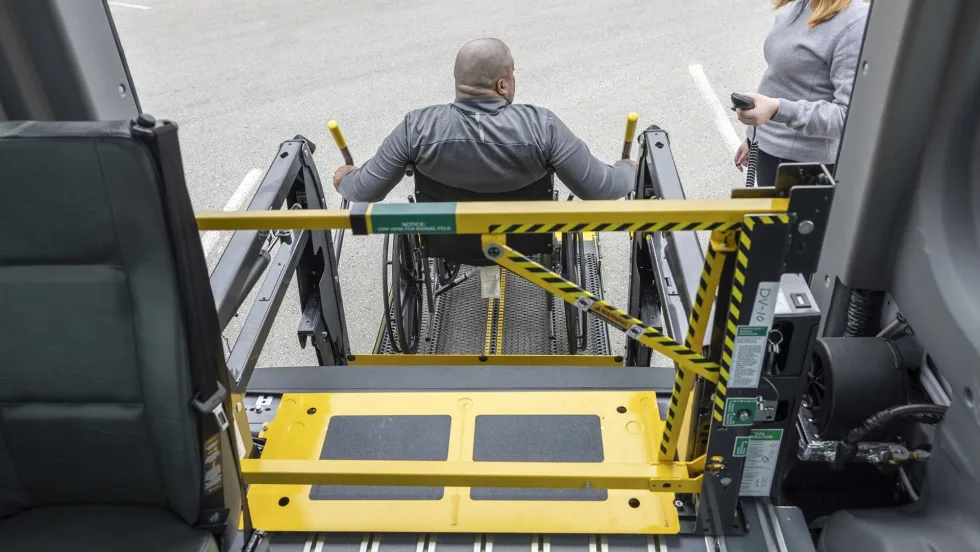
BraunAbility Introduces New Safety Barrier for Wheelchair Lifts
LiftSentinel is designed to add another layer of protection during wheelchair loading and unloading and can be retrofitted to many existing commercial lift installations.
Read More →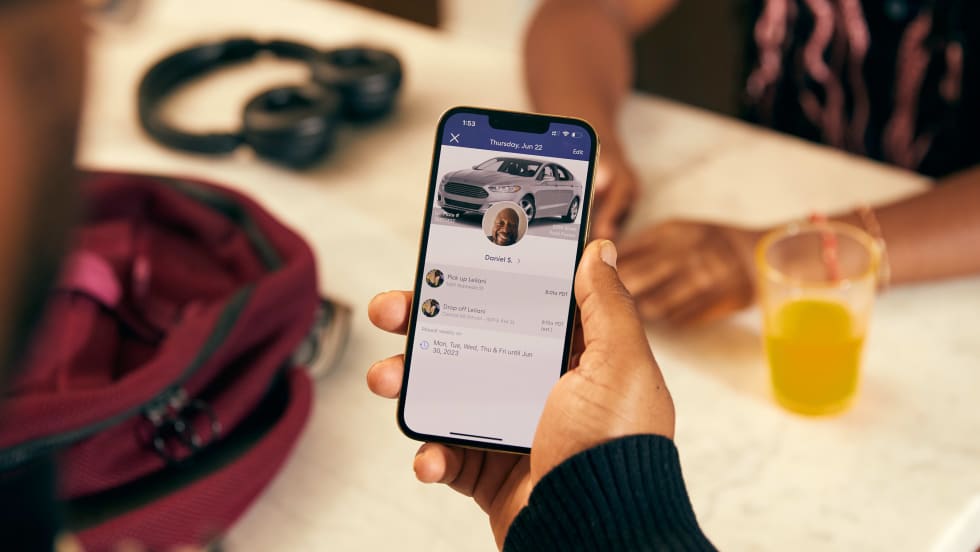
HopSkipDrive Launches New Safety, Driver Consistency Features for 2026-27 School Year
The company’s free ride recording, live ride tracking, and consistent driver assignments aim to improve safety and continuity for diverse student transportation needs.
Read More →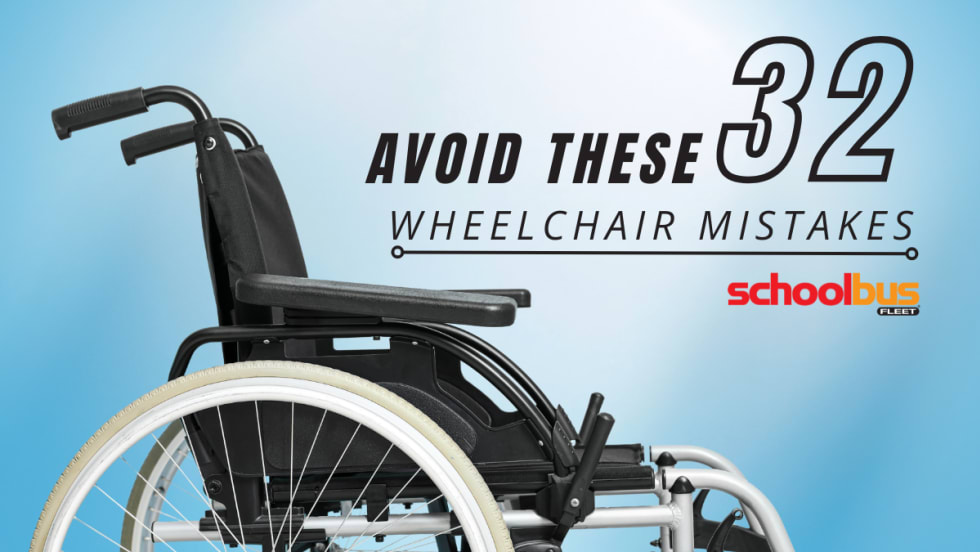
The Most Common Wheelchair Securement Mistakes on School Buses (and How to Fix Them)
Small missteps in wheelchair securement can have serious consequences. Here are 32 tips from experts to reduce risk and increase student safety on the bus.
Read More →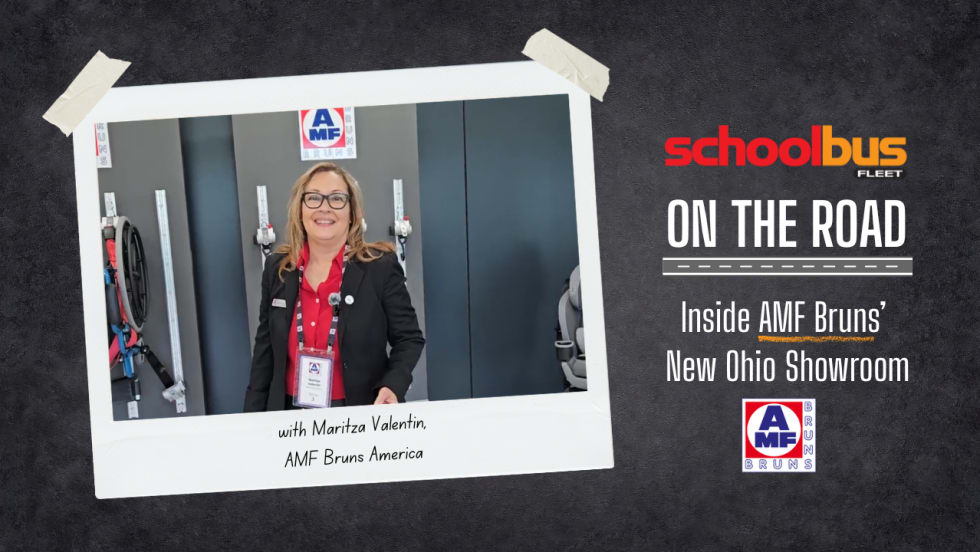
Inside AMF Bruns’ New Showroom: School Bus Securement Solutions Explained
Go inside AMF Bruns America’s new Ohio showroom with Maritza Valentin to see its FutureSafe technology, driver training tools, securement systems, and seating innovations.
Read More →
What AMF Bruns’ New Facility Means for Customers [Video]
Inside AMF Bruns’ new Stow, Ohio, operations: See how expanded space and innovation will enhance customer support and operations.
Read More →
AMF Bruns Expands in Ohio, Investing in Growth and Community
With expanded production space, local investment, and a growing workforce, AMF Bruns is scaling its U.S. presence. Here’s an exclusive first look inside the new Stow, Ohio, HQ.
Read More →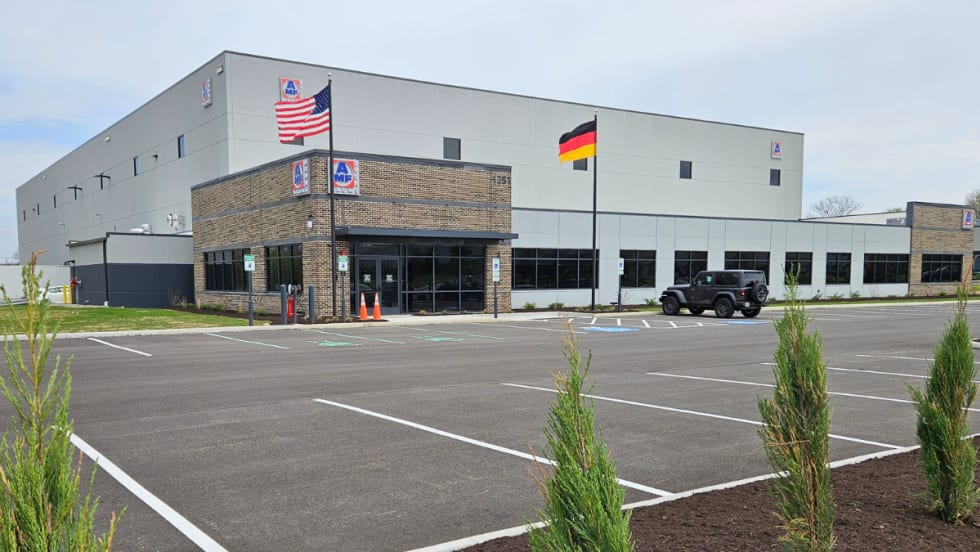
Inside AMF Bruns of America’s New Ohio Manufacturing Facility [Photos]
Take a behind-the-scenes look at AMF Bruns of America’s new 41,000-square-foot Stow, Ohio, headquarters, featuring advanced manufacturing, expanded space, and future-ready mobility solutions.
Read More →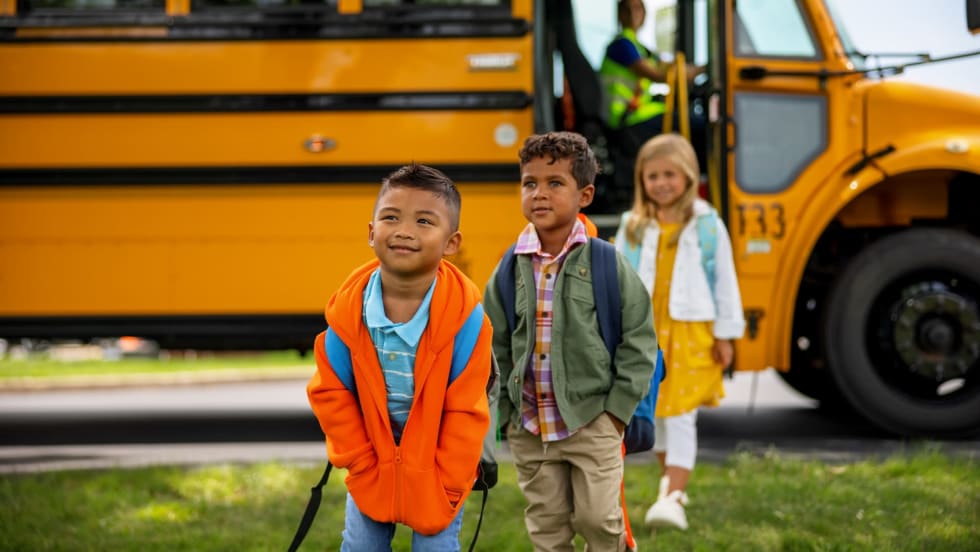
First Student Boosts Student Support in Wichita & Texas
First Student and Wichita Public Schools are using behavioral support strategies to improve student ride experiences, while a separate initiative expands access to after-school programs through a bus donation.
Read More →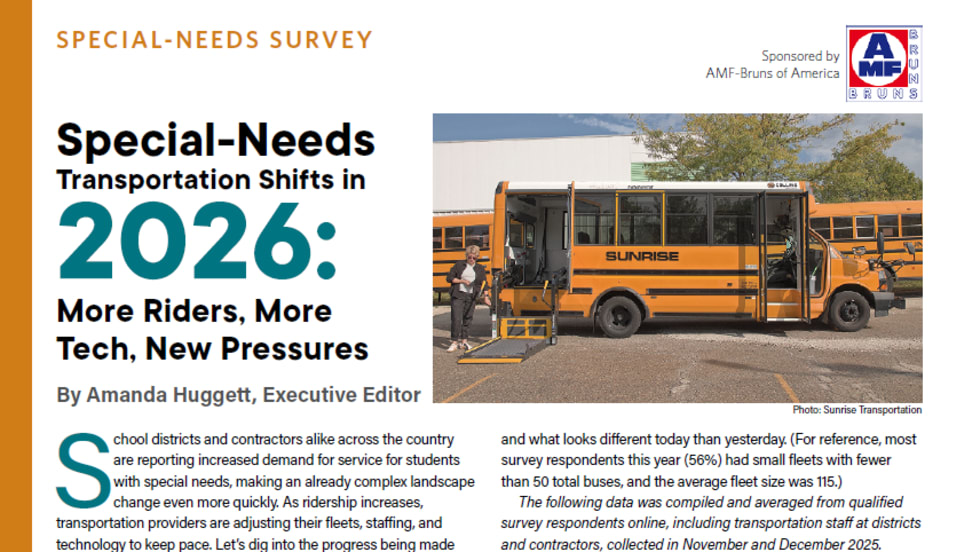
2026 Special-Needs Transportation Survey
What’s changing in special-needs transportation? This year, student transportation operators report a rising need, easing driver shortages, growing tech adoption, and evolving challenges. Sponsored by AMF Bruns of America.
Read More →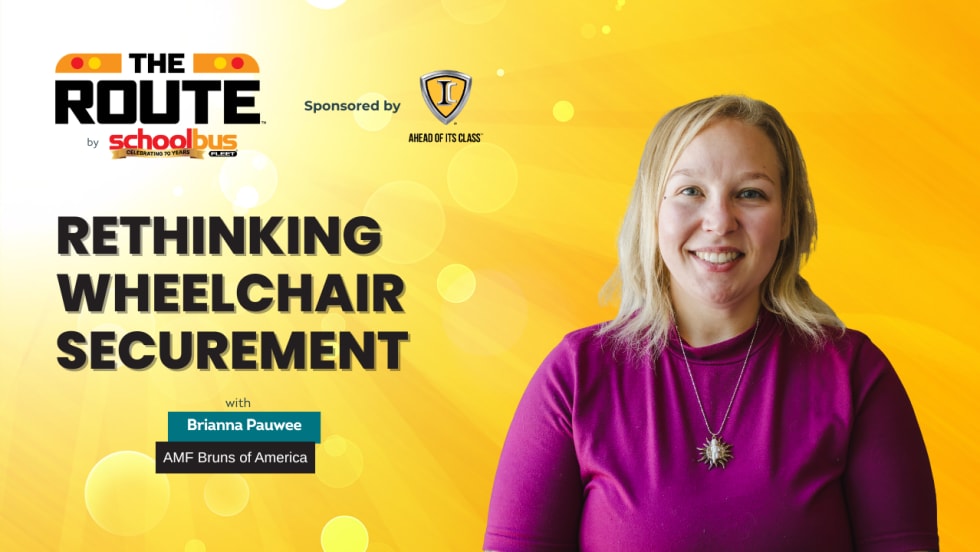
The Lived-Experience Gap in Mobility Tech: An Expert Take on Safe Student Transportation
Brianna Pauwee, a product application specialist at AMF Bruns of America and a wheelchair user, drops in to The Route to share practical securement and training insights, plus the story behind the new “Beyond Mobility” podcast. The Route is sponsored by IC Bus.
Read More →