


 MENU
MENU SEARCHMENUSEARCH
Loading data...
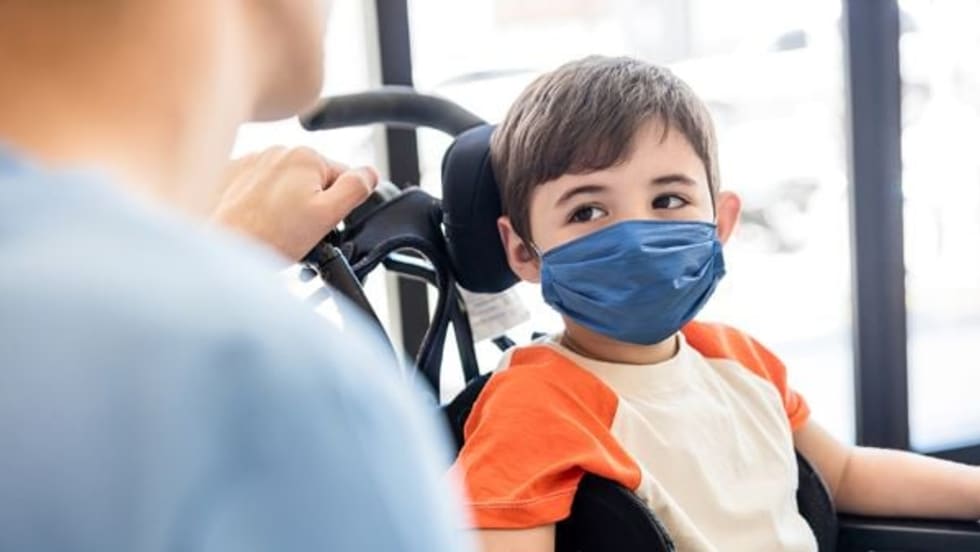
Communication best practices include partnering with special education department staff to develop plans based on Individualized Education Programs. Story boards and reward systems for mask wearing and social distancing are some recommended steps for reinforcement.
Read More →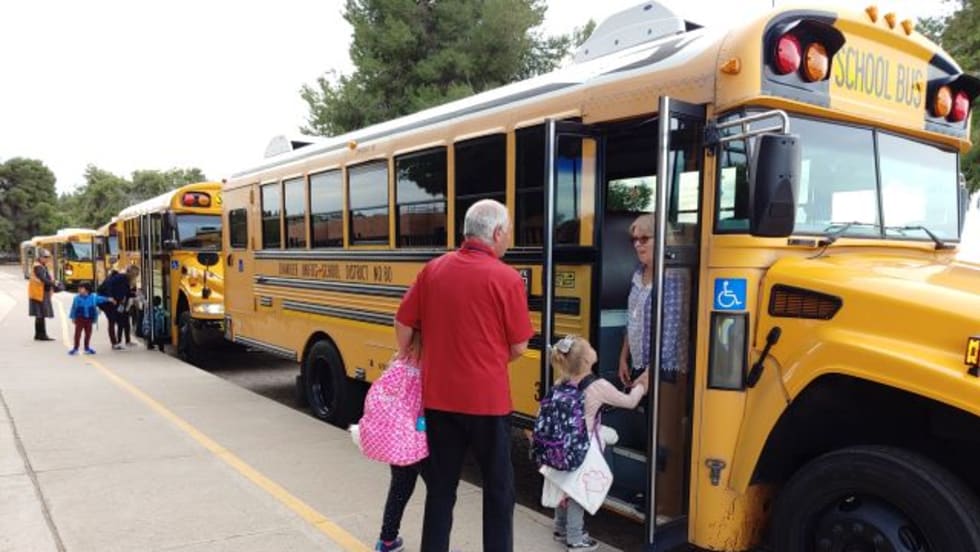
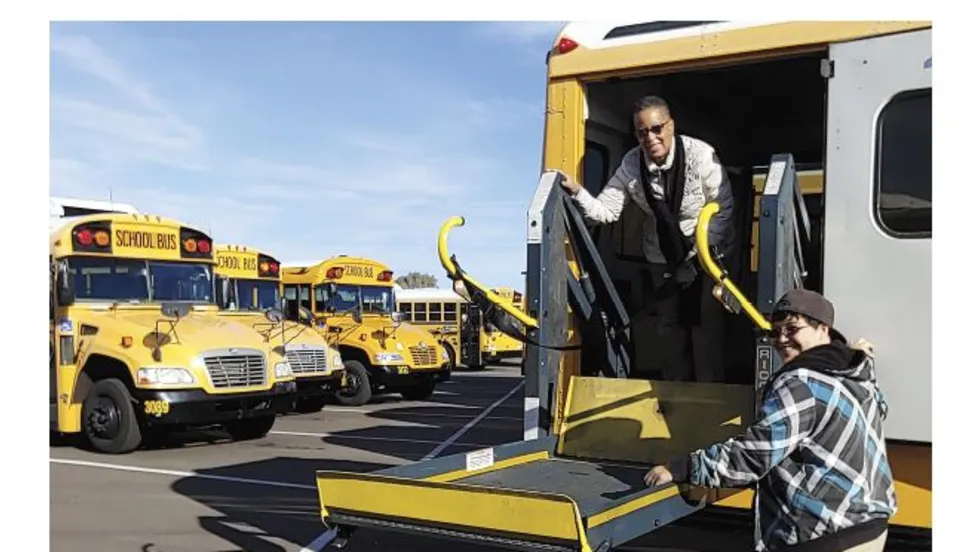
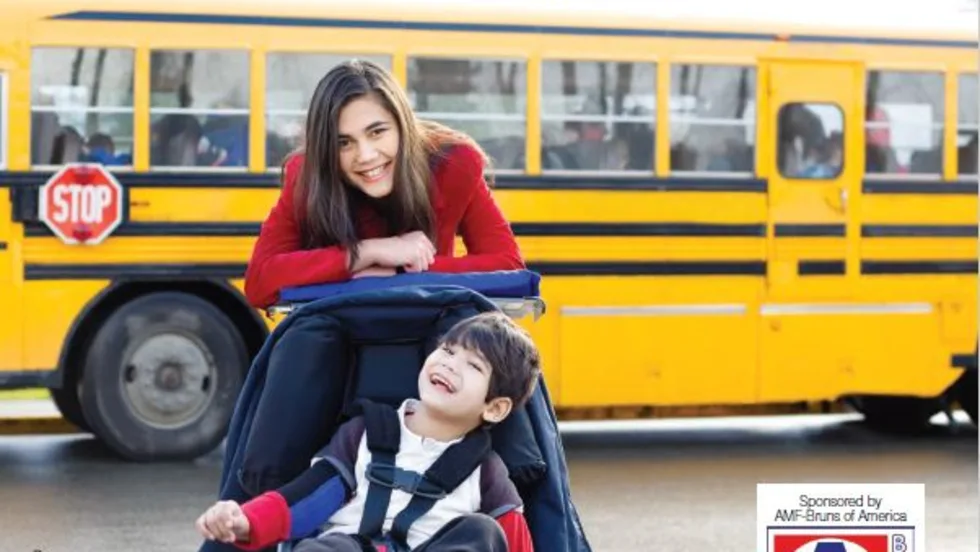
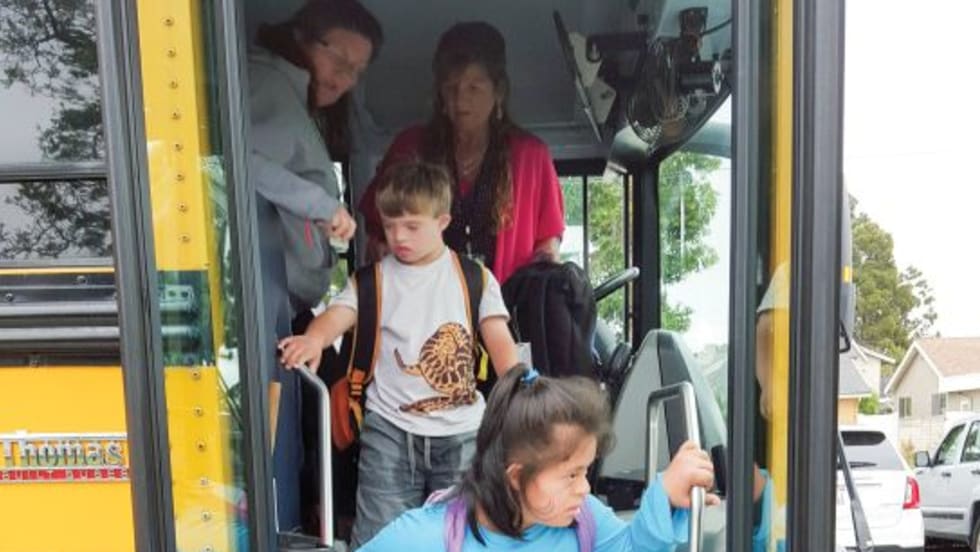
Author and motivational speaker Jim Lynch appeals to pupil transporters to learn about the educational value of mainstreaming students because, he says, the disabled population is changing daily.
Read More →A slightly higher number of respondents reported aides on buses as well as technology such as video surveillance and child-check reminder devices this year. Operators continue to serve more passengers with special needs.
Read More →Nearly half of respondents reported that the percentage of their passengers who have special needs increased compared to the previous year. Meanwhile, nearly one-quarter of survey participants said driver and aide shortage is their top challenge.
Read More →Transportation directors are legally required to accommodate students with disabilities to ensure access to education, but each case is different. Look for opportunities to include them with their able-bodied peers.
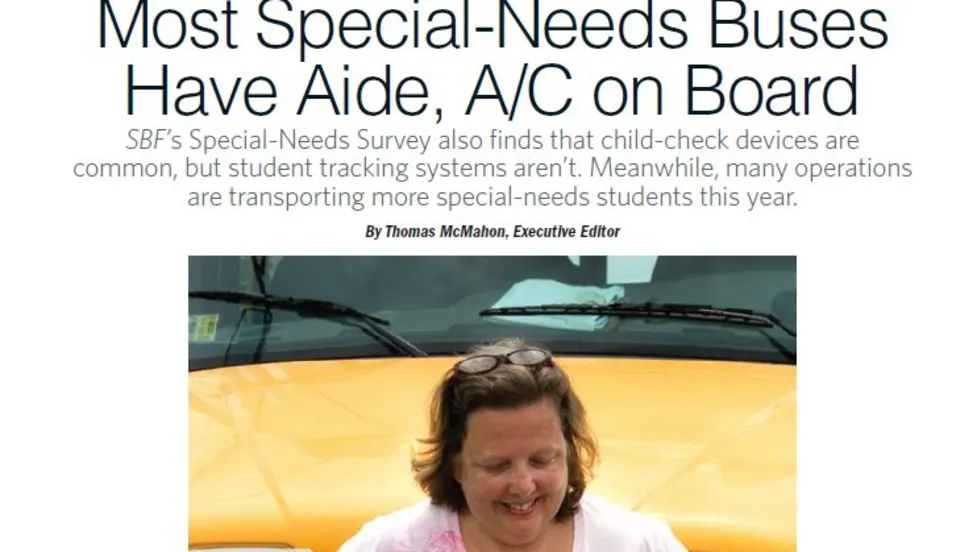
Read More →SBF’s Special-Needs Survey finds that child-check devices are common, but student tracking systems aren’t. Meanwhile, many operations are transporting more special-needs students this year.
Read More →Industry professionals say that having special-needs students ride regular-education routes can be cost effective and help the students learn self-advocacy.
Read More →New Q&A document from the U.S. Department of Education provides clarification on IDEA regulations for transporting students with disabilities. Topics covered include communication, mainstreaming on regular routes and climate control on buses.
Read More →