




Building Partnerships Between Special-Needs Transporters, Educators
7 Strategies for Helping Special-Needs Students Adjust to COVID Safety Measures
Communication best practices include partnering with special education department staff to develop plans based on Individualized Education Programs. Story boards and reward systems for mask wearing and social distancing are some recommended steps for reinforcement.
by Lynda Van Kuren
January 25, 2021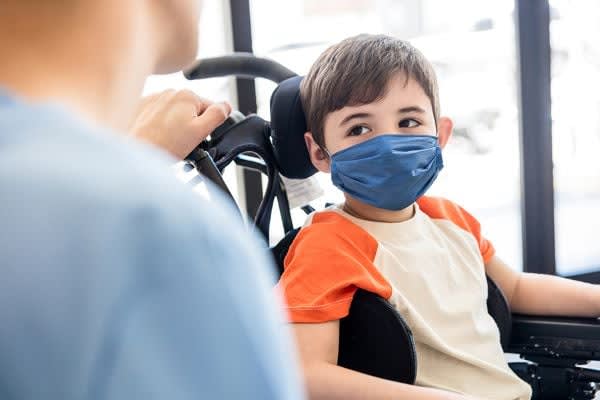
Photo courtesy Hispanolistic via iStock/Getty Images
5 min to read
Among the many challenges COVID-19 has brought to schools, one is transporting special-needs students. This is especially true for those who have cognitive or behavior disorders, physical disabilities, or medical conditions that make it difficult for them to comply with pandemic-related safety guidelines.
However, the following steps can help keep everyone — students, bus drivers, and attendants — safe.
Communication Strategies
1. Partner with special-ed staff. To help these students, transportation and special-education departments need to work more closely than ever, says Teena Mitchell, special needs transportation coordinator for the Greenville (S.C.) County Schools. Her district’s transportation staff members consult with special educators and therapists to learn ways to support students who are having problems, and the therapists may ride the buses with these students to find better ways to help them. Mitchell even has special-needs students ride the bus around the parking lot mid-day so they can get comfortable donning and wearing a mask on the bus.
She also has found that transportation staff members now need to initiate more Individualized Education Program (IEP) meetings, while Susan Shutrump, occupational therapist/physical therapist supervisor for Trumbull County (Ohio) Educational Service Center, says a transportation component has been added to several of her district’s special-needs students’ IEPs.
It is important for transportation staff to attend these IEP meetings, Mitchell says, because they learn about a student’s sensitivities and other factors they need to consider. Then the entire team develops strategies and sets transportation goals for the student.
“I recommend that school districts build a relationship with the special education department,” Mitchell says. “It makes it easier to help a student with transportation issues if transportation staff are at the initial meeting rather than having to call another IEP meeting to address the situation.”
At the Northwest Suburban Special Education Organization (NSSEO) in Mt. Prospect, Illinois, the special education and transportation departments go a step further. They talk with each other regularly, and the departments plan and train together, so everyone knows what is expected of staff and individual students, according to Judy Hackett, the district’s supervisor.
2. Make parents part of the team. Shutrump, Hackett, and Mitchell agree that parents play a key role in getting students to comply with COVID safety regulations.
When problems occur, Mitchell’s bus drivers call parents directly, while Shutrump suggests seeking parents’ advice when picking up or dropping off a student.
Shutrump also recommends keeping an open dialogue with parents: bus drivers and attendants should tell parents about their training in COVID safety measures, why they are having students perform certain tasks, and that they are practicing safety precautions such as using hand sanitizer between each interaction with the children.
“Explaining to parents that the bus staff is implementing actions that have been recommended by the child’s special education teachers gives school bus personnel credibility,” Shutrump says.
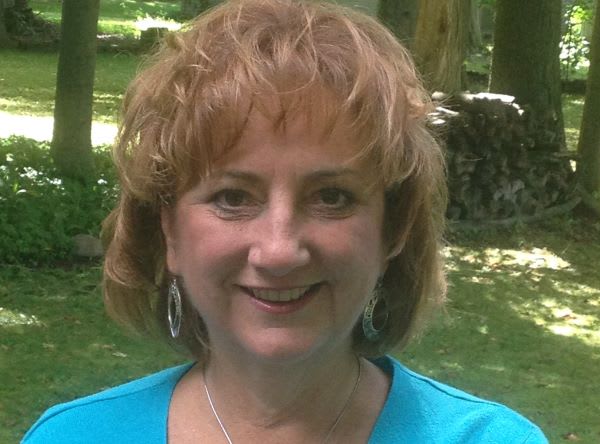
Strategies for dealing with mask sensitivity include using story boards of siblings or a favorite stuffed animal wearing a mask and giving the child a mask made with a different material, says Susan Shutrump, occupational therapist/physical therapist supervisor for Trumbull County (Ohio) Educational Service Center.
Photo courtesy Susan Shutrump
Reinforcement Strategies
3. Maintaining social distance. Ensuring special-needs students maintain social distance starts with seating procedures, according to Julie Jilek, NSSEO’s assistant superintendent for business services. By assigning seats and placing students who board first in the back and the last students to board in the font, students do not pass each other.
Coding seats with color or tape, creating story boards showing students sitting in their seats, placing a sibling in an aisle seat to act as role model, and/or implementing reward systems can also help students maintain social distance, Shutrump says. However, if these measures fail, the child may need a safety restraint device, she adds.
4. Dealing with mask sensitivity. Getting some special-needs students to wear a mask can be difficult, but it can usually be done, according to Mitchell, Shutrump, and Hackett. Strategies include putting story boards or pictures of siblings, friends, or a favorite stuffed animal wearing a mask on the bus, providing the child with a different type of mask (another fabric, clear mask, or face shield), and rewards for compliance, Shutrump says.
Mitchell’s school bus attendants also distract students by playing games or reading books to them.
School bus personnel may use these strategies in conjunction with teachers and parents, or teachers and parents may work with the students on mask wearing first and inform the transportation staff when the student can wear a mask on the bus and for how long, Shutrump says.
If a student cannot wear a mask, Hackett’s district transports the student in another vehicle and the driver wears a higher level of protective gear, such as an N95 mask. If a six-foot distance cannot be maintained around the student due to the number of students aboard, Mitchell transports the student separately.
5. Working with wheelchairs, harnesses, other restraints. Though bus drivers and attendants must be in close contact with students who use safety restraints or are in a wheelchair, that time should be kept to a minimum, says Shutrump.
“You don’t want to spend a lot of time in the student’s personal space,” she says.
Shutrump recommends having staff practice with the equipment so all tasks can be done quickly. Also, drivers and attendants should handle harness straps at their fullest length and only come close to a child when they are tightening it. Additionally, students should be taught to do as much for themselves as possible, Shutrump says. For example, those who are able should learn to back their wheelchair onto the lift and set the brakes.
Mitchell adds that her district uses only one set of equipment for each student, which reduces viral contagion and is important for contact tracing. Her staff also wears full protective equipment and medical-grade masks when they must work close to students.
6. Adjusting for ventilation. For students with respiratory problems or allergies, Mitchell consults with special educators, parents, and students’ physicians. Depending on the information received, students may be placed away from a window that needs to be open to properly ventilate the bus.
7. Helping mainstreamed students. COVID safety procedures can be difficult for some special-needs students who ride general education buses, Shutrump says. In those cases, a transportation component should be added to their IEP: visual aids, a reward system, or, if necessary, transference to a special-needs bus.
While COVID-related student transportation safety procedures may seem difficult, they are a good thing, according to Shutrump.
“Students are learning important life skills, and, in truth, these are best practices that we will be implementing in the future,” she says.
Subscribe to Our Newsletter
More Special Needs Transportation
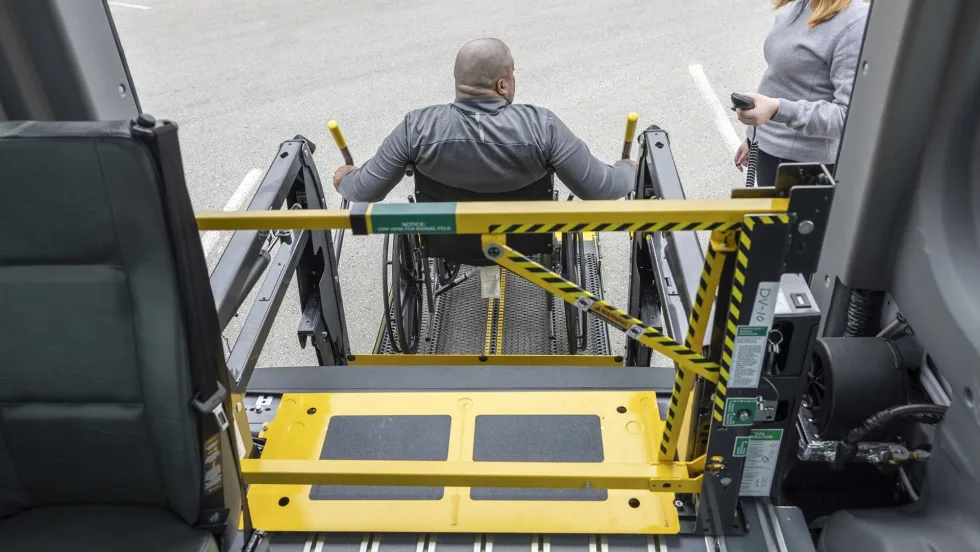
BraunAbility Introduces New Safety Barrier for Wheelchair Lifts
LiftSentinel is designed to add another layer of protection during wheelchair loading and unloading and can be retrofitted to many existing commercial lift installations.
Read More →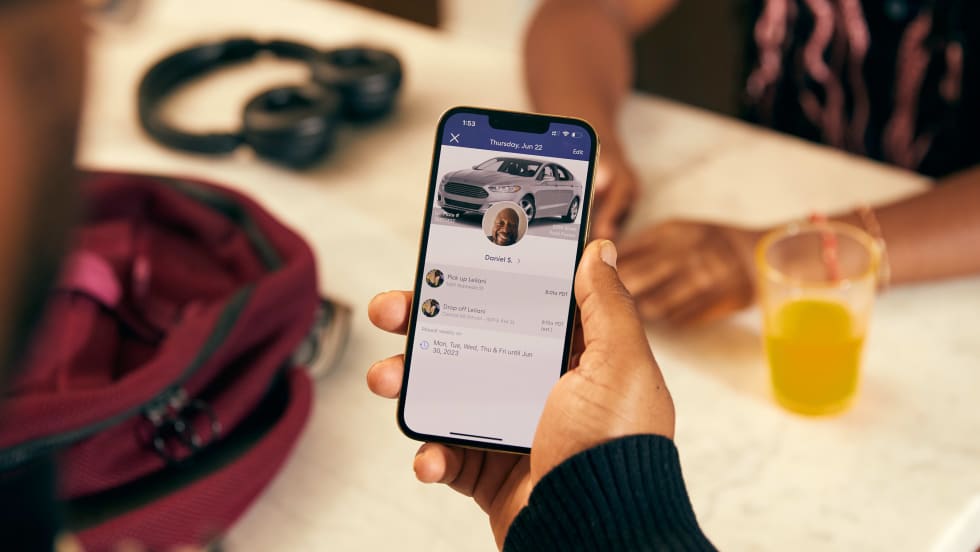
HopSkipDrive Launches New Safety, Driver Consistency Features for 2026-27 School Year
The company’s free ride recording, live ride tracking, and consistent driver assignments aim to improve safety and continuity for diverse student transportation needs.
Read More →
The Most Common Wheelchair Securement Mistakes on School Buses (and How to Fix Them)
Small missteps in wheelchair securement can have serious consequences. Here are 32 tips from experts to reduce risk and increase student safety on the bus.
Read More →
Inside AMF Bruns’ New Showroom: School Bus Securement Solutions Explained
Go inside AMF Bruns America’s new Ohio showroom with Maritza Valentin to see its FutureSafe technology, driver training tools, securement systems, and seating innovations.
Read More →
What AMF Bruns’ New Facility Means for Customers [Video]
Inside AMF Bruns’ new Stow, Ohio, operations: See how expanded space and innovation will enhance customer support and operations.
Read More →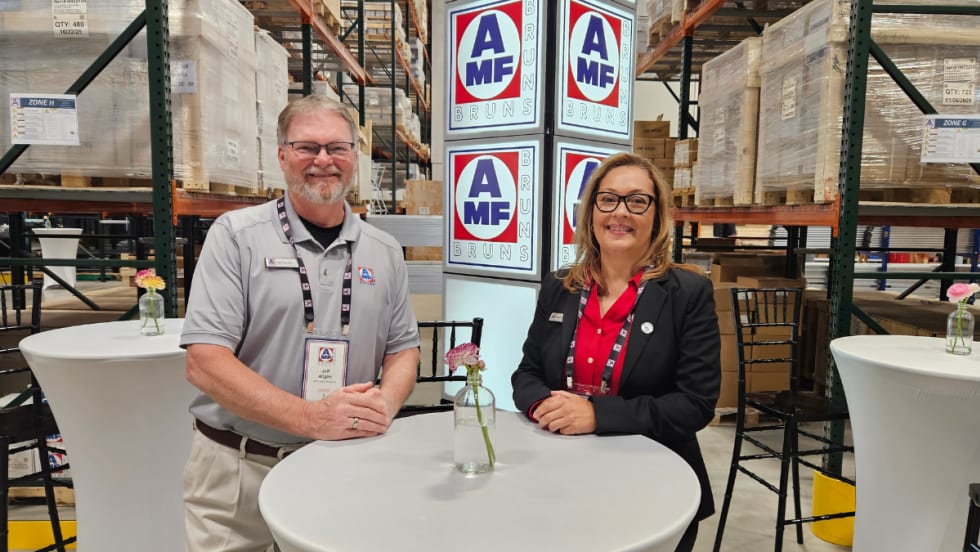
AMF Bruns Expands in Ohio, Investing in Growth and Community
With expanded production space, local investment, and a growing workforce, AMF Bruns is scaling its U.S. presence. Here’s an exclusive first look inside the new Stow, Ohio, HQ.
Read More →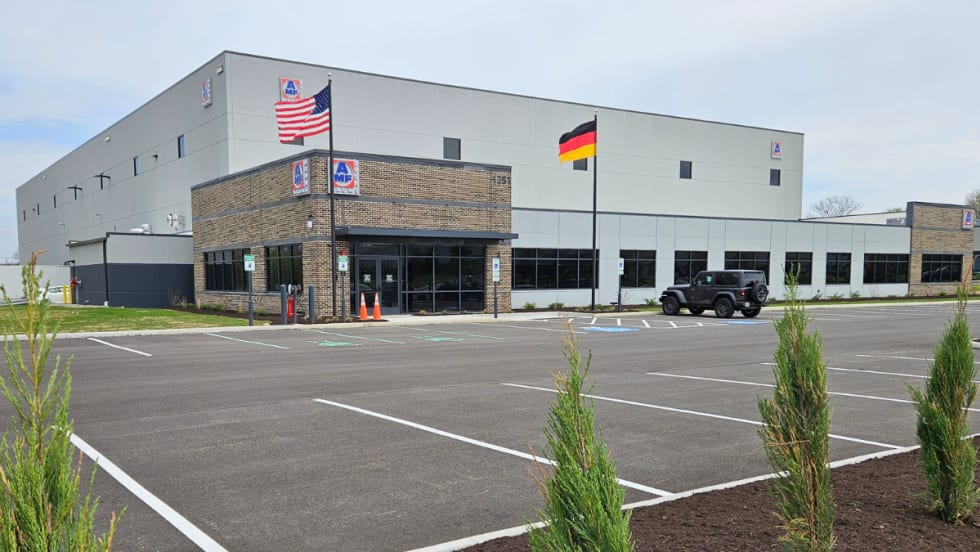
Inside AMF Bruns of America’s New Ohio Manufacturing Facility [Photos]
Take a behind-the-scenes look at AMF Bruns of America’s new 41,000-square-foot Stow, Ohio, headquarters, featuring advanced manufacturing, expanded space, and future-ready mobility solutions.
Read More →
First Student Boosts Student Support in Wichita & Texas
First Student and Wichita Public Schools are using behavioral support strategies to improve student ride experiences, while a separate initiative expands access to after-school programs through a bus donation.
Read More →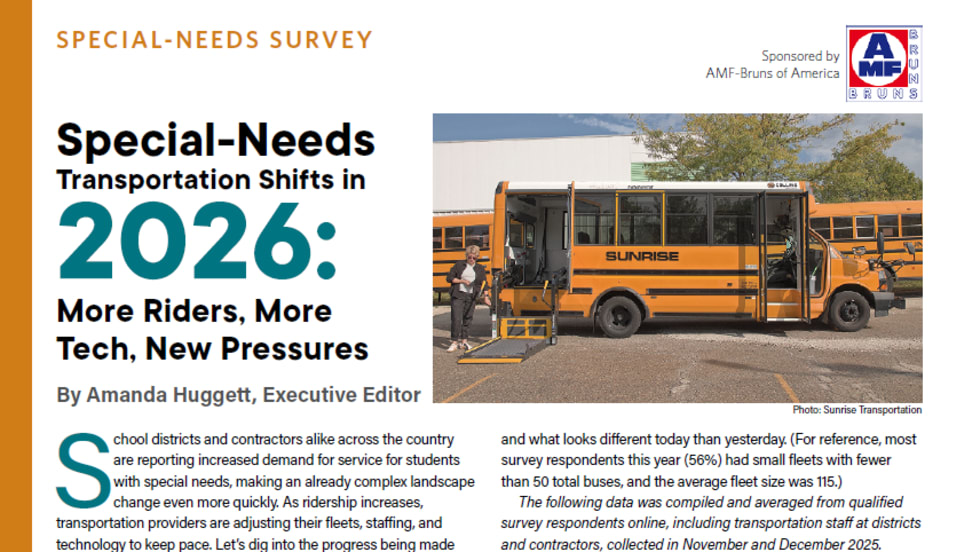
2026 Special-Needs Transportation Survey
What’s changing in special-needs transportation? This year, student transportation operators report a rising need, easing driver shortages, growing tech adoption, and evolving challenges. Sponsored by AMF Bruns of America.
Read More →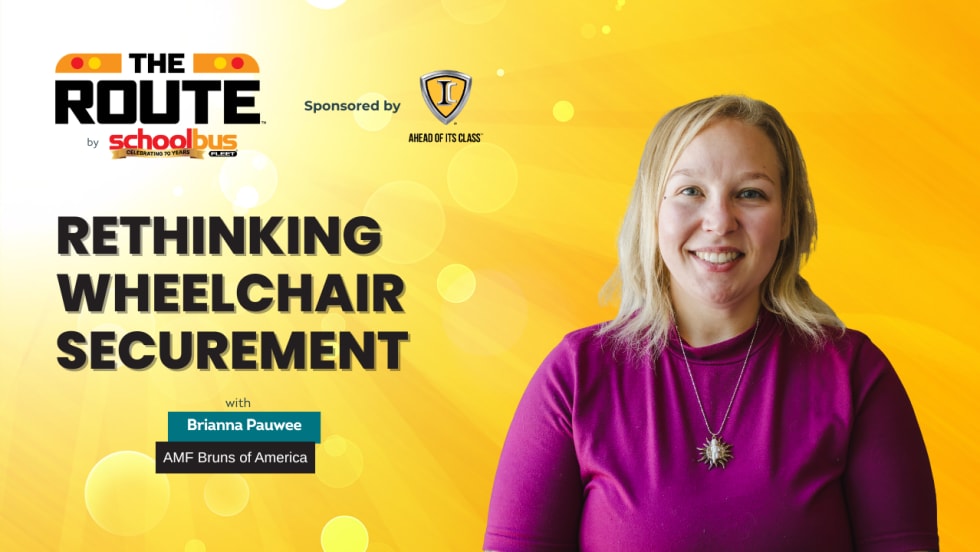
The Lived-Experience Gap in Mobility Tech: An Expert Take on Safe Student Transportation
Brianna Pauwee, a product application specialist at AMF Bruns of America and a wheelchair user, drops in to The Route to share practical securement and training insights, plus the story behind the new “Beyond Mobility” podcast. The Route is sponsored by IC Bus.
Read More →