




The benefits of mainstreaming
Industry professionals say that having special-needs students ride regular-education routes can be cost effective and help the students learn self-advocacy.

Of the surveys that SBF publishes, one that's particularly interesting to me is the Special-Needs Survey (to view it, visit the research section on our website).
On average over the past five years, respondents reported that 36.7 percent of their special-needs students are mainstreamed (i.e., ride regular-ed routes), with this year having the lowest figure (30 percent).
I have a disability (cerebral palsy), but I have not been given special treatment throughout my life and I've appreciated that. In my opinion, when you have a disability, it boosts your self-esteem to be treated as "normally" as possible.
It seems, then, that it would benefit special-needs students for operations to practice mainstreaming whenever possible. I realize that there are many factors that can affect whether a special-needs student rides a bus with his or her general-education peers. For instance, perhaps that student's disability is so severe that it's safest for him or her to ride on a special-needs route.
Launi Schmutz, director of transportation at Washington County School District in St. George, Utah, says that parents also play a large role in this, and often want to help in making transportation decisions.
"What's best for the student needs to be looked at in the IEP. Sometimes that's putting them with their [special-needs] peers, sometimes it isn't. It's definitely more costeffective to transport them on a regular-ed bus," Schmutz adds.
Cost-effective service
Schmutz estimates that the cost to transport students at her operation on regular routes is about $248 per student, whereas the cost for transporting students on special-needs routes is about $974 per student.
Although what's best for the student should be the priority in determining whether he or she can be mainstreamed, Schmutz says cost should be considered, especially in today's economic climate.
Schmutz attends IEP meetings and asks how special-needs students behave during lunch, recess and in between classes (which she considers similar to the environment on a school bus), and how they interact with others to help establish whether they could be mainstreamed.
However, she emphasizes, "Every decision is made individually with consideration of each student's safety and welfare." Schmutz also maintains an open line of communication with the individuals who discuss with parents the transportation options for their children.
"You have to have buy-in," she says. "Patience is key." (Schmutz says it once took a year for the parents of a student with a mild disability to allow him to ride on a regular-ed route.)
Students learn self-advocacy
Mainstreaming can also aid in students' development. Jean Zimmerman, supervisor of occupational and physical therapy for the Palm Beach County School District in West Palm Beach, Fla., says it will help special-education children learn how to respond in the "real world."
"It will be a prelude to learning to ride a public city bus later in life," she says. "They're going to learn self-advocacy."
She adds that a "buddy system" - wherein a regular-ed student sits and talks with a special-needs student - could help the student adjust to riding a regular route.
"I also think that prior to the special-education student riding the bus, it would be beneficial to inform the other kids that he or she may be a little different, but should be welcomed by everyone," she says.
More Special Needs Transportation
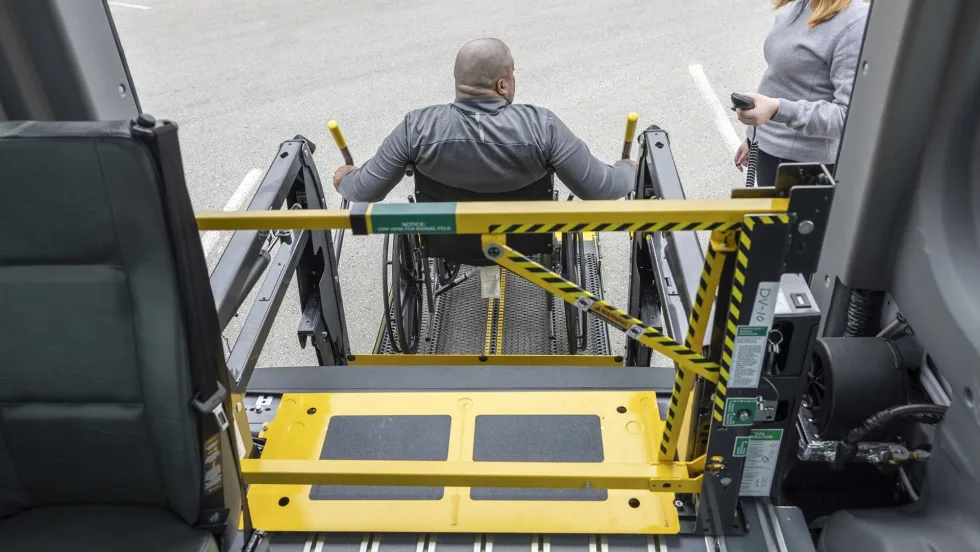
BraunAbility Introduces New Safety Barrier for Wheelchair Lifts
LiftSentinel is designed to add another layer of protection during wheelchair loading and unloading and can be retrofitted to many existing commercial lift installations.
Read More →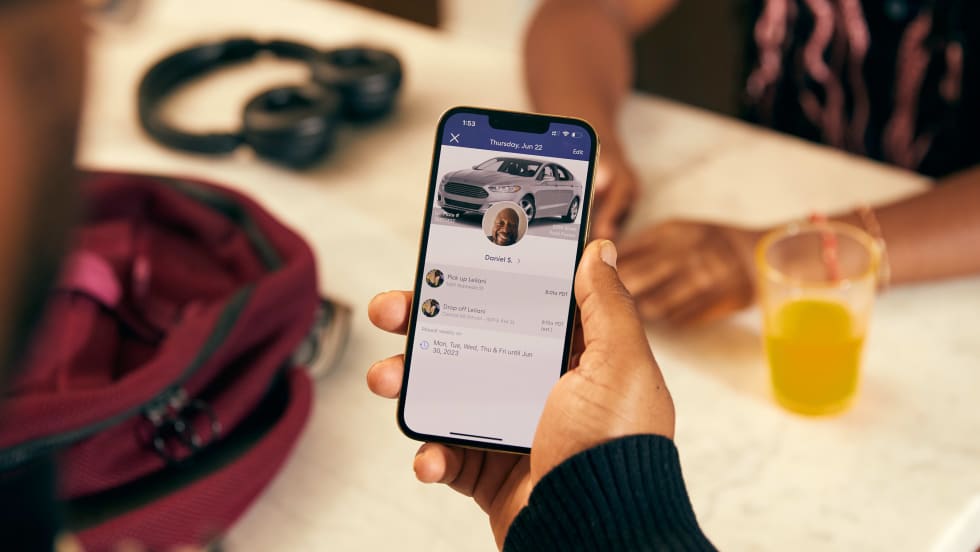
HopSkipDrive Launches New Safety, Driver Consistency Features for 2026-27 School Year
The company’s free ride recording, live ride tracking, and consistent driver assignments aim to improve safety and continuity for diverse student transportation needs.
Read More →
The Most Common Wheelchair Securement Mistakes on School Buses (and How to Fix Them)
Small missteps in wheelchair securement can have serious consequences. Here are 32 tips from experts to reduce risk and increase student safety on the bus.
Read More →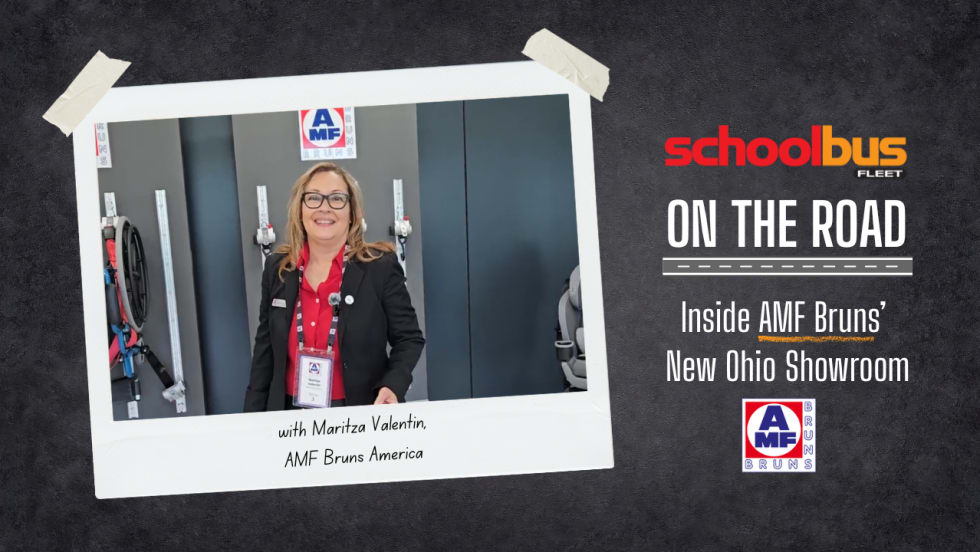
Inside AMF Bruns’ New Showroom: School Bus Securement Solutions Explained
Go inside AMF Bruns America’s new Ohio showroom with Maritza Valentin to see its FutureSafe technology, driver training tools, securement systems, and seating innovations.
Read More →
What AMF Bruns’ New Facility Means for Customers [Video]
Inside AMF Bruns’ new Stow, Ohio, operations: See how expanded space and innovation will enhance customer support and operations.
Read More →
AMF Bruns Expands in Ohio, Investing in Growth and Community
With expanded production space, local investment, and a growing workforce, AMF Bruns is scaling its U.S. presence. Here’s an exclusive first look inside the new Stow, Ohio, HQ.
Read More →
Inside AMF Bruns of America’s New Ohio Manufacturing Facility [Photos]
Take a behind-the-scenes look at AMF Bruns of America’s new 41,000-square-foot Stow, Ohio, headquarters, featuring advanced manufacturing, expanded space, and future-ready mobility solutions.
Read More →
First Student Boosts Student Support in Wichita & Texas
First Student and Wichita Public Schools are using behavioral support strategies to improve student ride experiences, while a separate initiative expands access to after-school programs through a bus donation.
Read More →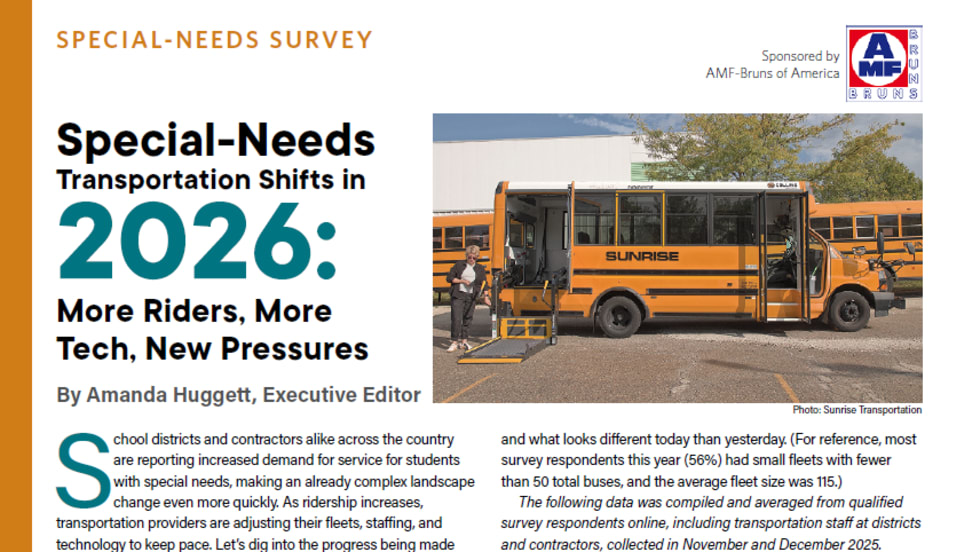
2026 Special-Needs Transportation Survey
What’s changing in special-needs transportation? This year, student transportation operators report a rising need, easing driver shortages, growing tech adoption, and evolving challenges. Sponsored by AMF Bruns of America.
Read More →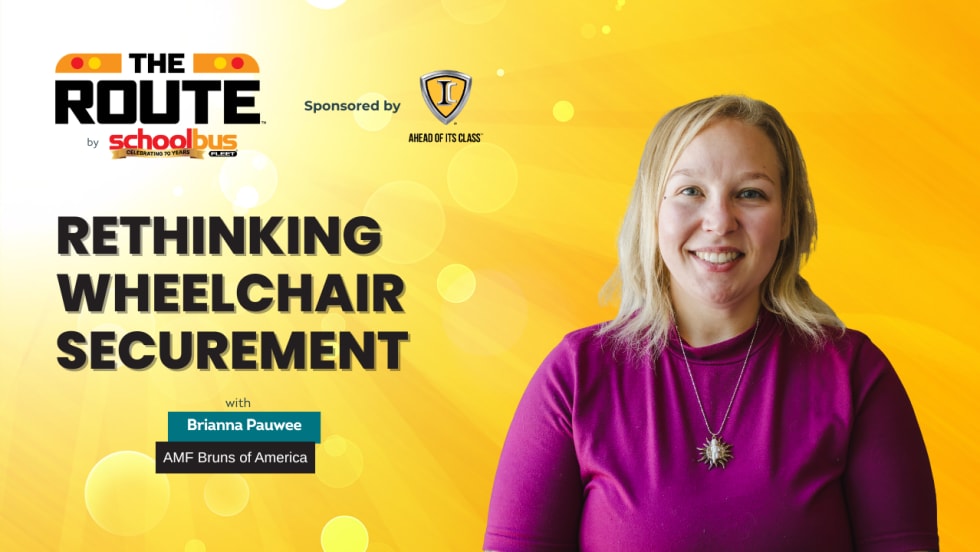
The Lived-Experience Gap in Mobility Tech: An Expert Take on Safe Student Transportation
Brianna Pauwee, a product application specialist at AMF Bruns of America and a wheelchair user, drops in to The Route to share practical securement and training insights, plus the story behind the new “Beyond Mobility” podcast. The Route is sponsored by IC Bus.
Read More →