




Extreme Weather, Refinery Shutdowns Boost Average Diesel, Gasoline Prices
Costs are up compared to last week, but still below where we were this time in 2022. The increase is attributed to reduced refinery capacity due to recent cold weather.

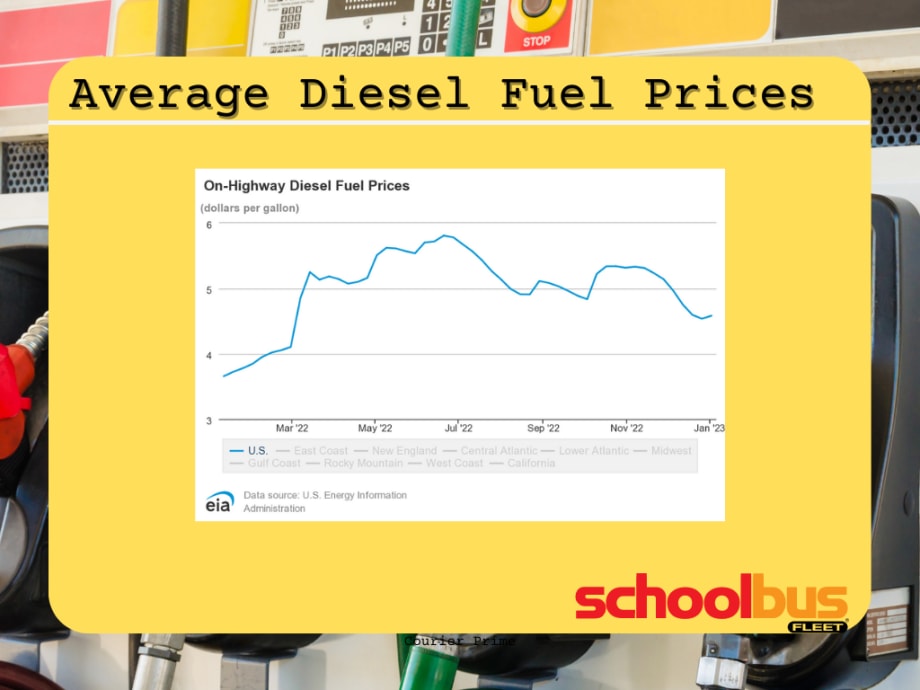
National average retail diesel fuel prices were $4.58 per gallon as of Jan. 2, 2023.
Image: School Bus Fleet/EIA
Diesel and regular gasoline prices in the United States are up compared to last week, making it more expensive to fuel school bus fleets across the country, but down when measured against costs at the pump this time in 2022.
The average cost for regular gasoline in the United States this week, according to the U.S. Energy Information Administration, is $3.22. That’s up 13 cents from a week earlier and down nearly 6 cents compared to a year ago.
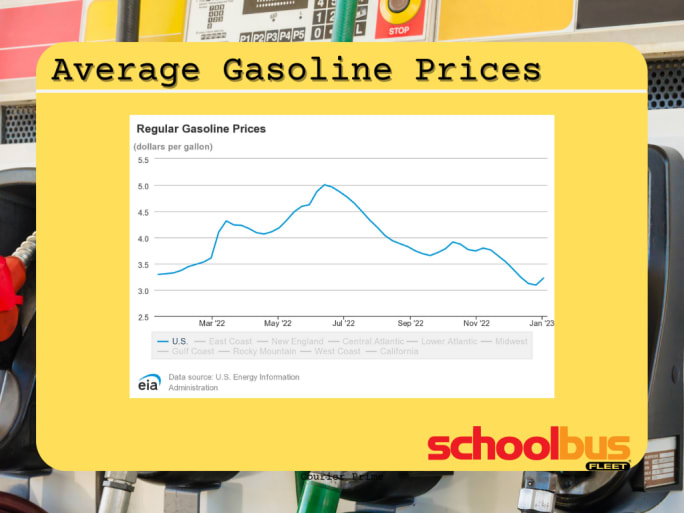
National average gasoline prices were $3.22 per gallon as of Jan. 2, 2023.
Image: School Bus Fleet/EIA
The average cost for retail diesel is $4.58, up about 5 cents from last week and up 97 cents compared to last year.
Regular gasoline peaked around $5 per gallon on June 13, 2022. A week later, on June 20, retail diesel prices peaked at $5.81 per gallon.
Overall, regions saw gasoline prices rise week to week, but down compared to last year except for the Midwest, which was up about 2 cents. In the East Coast region, New England, and the Central Atlantic saw decreases in diesel prices of 3 and 5 cents respectively, while the Lower Atlantic area was up 8.5 cents. The Rocky Mountain region fell 1.5 cents.
Current average fuel prices by region (gasoline/diesel):
East Coast: $3.21/$4.85
Midwest: $3.05/$4.42
Gulf Coast: $2.89/$4.27
Rocky Mountain: $3.04/$4.73
West Coast: $3.94/$5.09
According to a GasBuddy report, recent extremely cold weather resulted in refinery shutdowns that cut more than a million barrels of refining capacity, boosting wholesale prices.
“In addition,” said Patrick De Haan, head of petroleum analysis at GasBuddy, “China’s reopening plans gave markets inspiration that global oil demand will start to recover, as China’s nearly three-year COVID-zero policies appear to be coming to an end. While the jump at the pump will likely be temporary as most refiners get back online after cold-weather related issues, some regions like the Rockies may see more price increases than others as cold-weather shutdowns hit the region fairly hard, with one refinery likely remaining down through the first quarter of 2023. Most areas have seen the bulk of the rise already hit, but should oil continue to rally, more increases could be on the way.”
Got news for School Bus Fleet? Send your information to info@schoolbusfleet.com.
More Maintenance
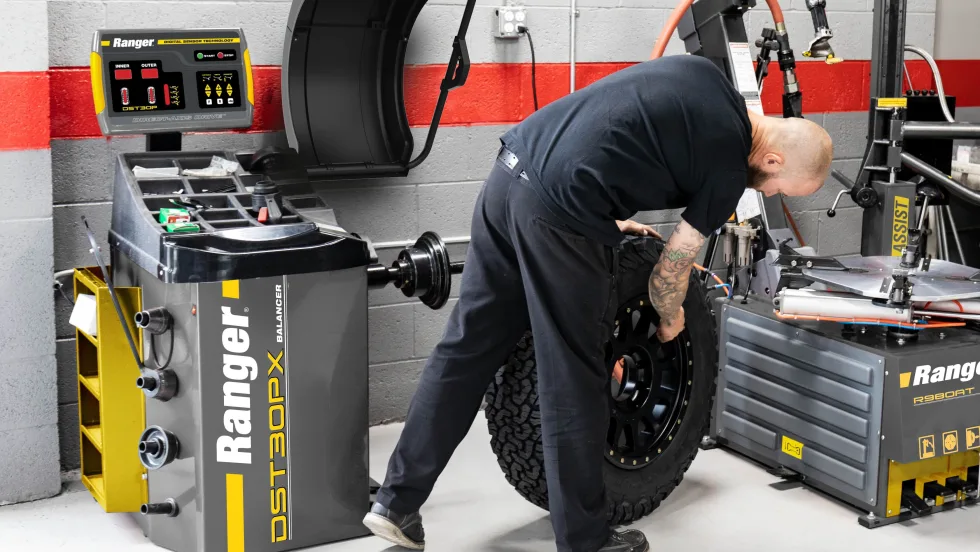
BendPak Launches Ranger DST30PX Wheel Balancer
BendPak's new wheel balancer handles tires up to 43 inches in diameter, with a reinforced design, precise weight placement, and faster service cycles.
Read More →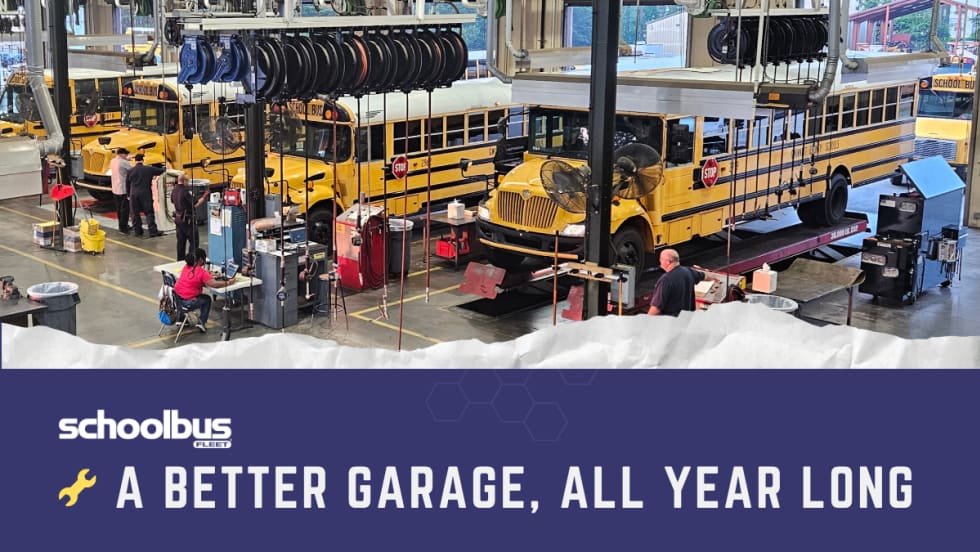
Tips for Ensuring School Bus Garages Are Safe and Warm Year-Round
Cold maintenance bays and rising heating costs? Learn how school bus garages can improve comfort with targeted heating, better airflow, and winter preparation.
Read More →
ASE Highlights School Bus Technician Certification Requirements
ASE is encouraging school bus maintenance professionals to maintain their certifications, highlighting seven specialized tests and five-year renewal requirements.
Read More →
International Adds E-Commerce Capabilities to Fleetrite.com
IC Bus customers can now browse, buy, and track shipments for more than 400,000 aftermarket parts online.
Read More →
The Most Expensive Thing You Do Before Selling a School Bus: Wait
When should you sell an aging school bus? Learn how maintenance, mileage, corrosion, specifications, and timing can affect resale value long before the auction.
Read More →
The Evolution of DEF Header Technology: What School Bus Operations Should Know at Replacement Time
See what school bus fleets should consider when replacing DEF headers to improve reliability, reduce repeat repairs, and control maintenance costs.
Read More →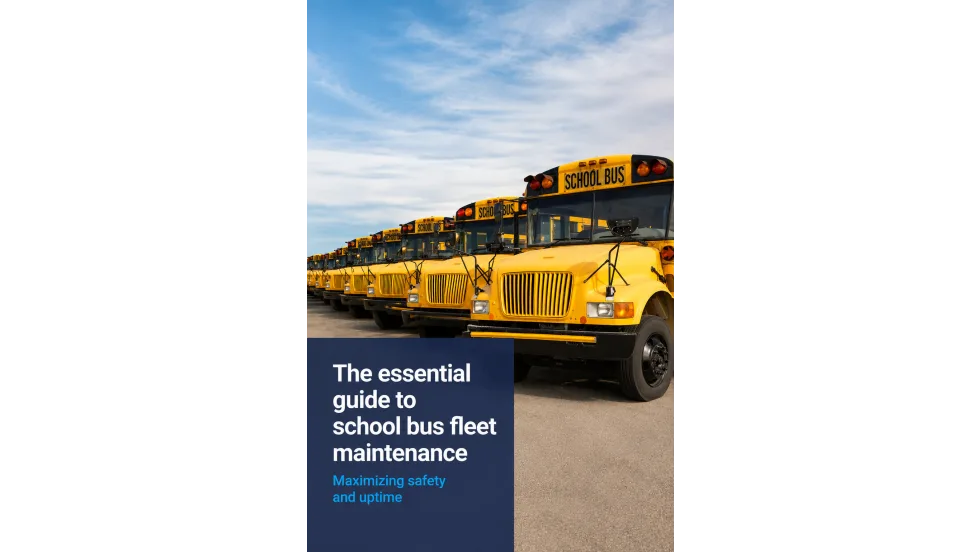
The Essential Guide to School Bus Maintenance and Student Safety
Your district's buses carry students to school every day. This guide shows how predictive maintenance powered by fleet data helps keep buses reliable, drivers accountable and students safer from the first bell to the last stop.
Read More →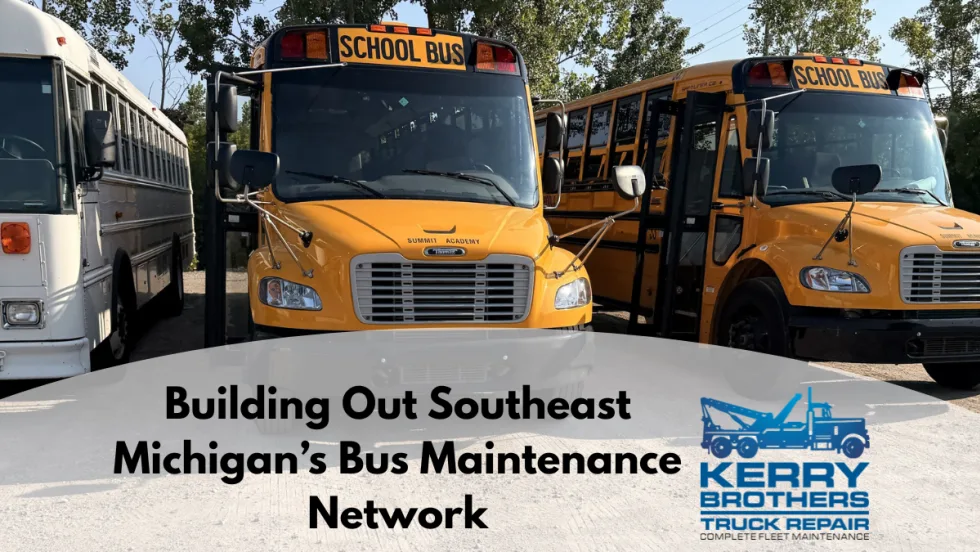
Kerry Brothers Grows Michigan School Bus Repair Network
The acquisition of Downriver Truck and Bus expands Kerry Brothers’ school bus maintenance footprint across southeast Michigan, adding repair capacity, diagnostic resources, and state inspection support.
Read More →
Noregon Introduces CAN Bus Diagnostic Tool, Expands JPRO Features
CAN Mentor and the latest JPRO update aim to simplify vehicle network diagnostics and improve repair efficiency for technicians of all experience levels.
Read More →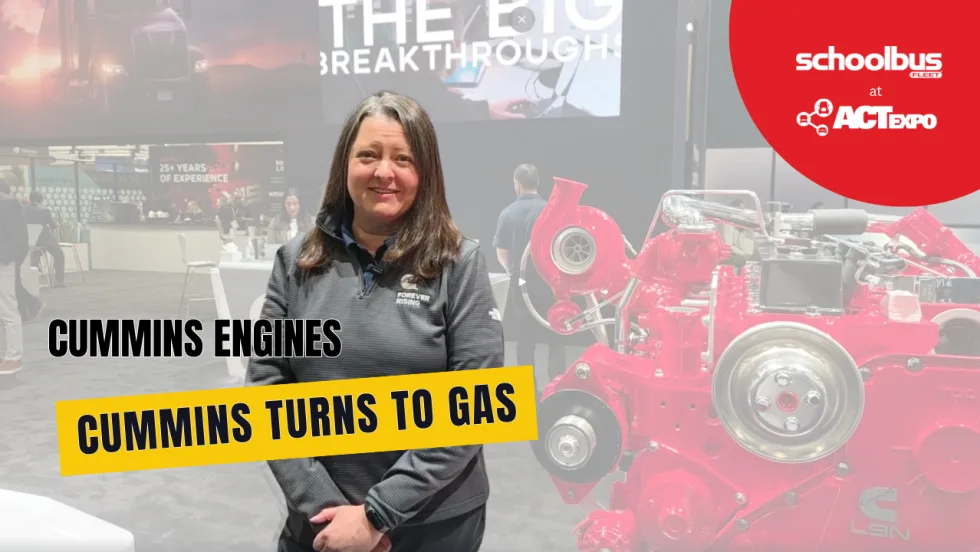
Cummins on Smarter, Simpler Engine Innovation
Cummins discusses its first-ever gasoline engine for school buses, EPA 2027, and why bus fleets still want durable, simpler internal combustion options.
Read More →