




DOT tightens rules on medical examiners
A new federal rule requires healthcare professionals who perform medical examinations for interstate truck and bus drivers to be trained, tested and certified on the specific physical qualifications that affect a driver’s ability to safely operate the vehicle.

WASHINGTON, D.C. — A new federal rule requires healthcare professionals who perform medical examinations for interstate truck and bus drivers to be trained, tested and certified on the specific physical qualifications that affect a driver’s ability to safely operate the vehicle.
The final rule, which U.S. Transportation Secretary Ray LaHood announced on Wednesday, also creates a national online database of medical examiners who have completed the Federal Motor Carrier Safety Administration’s (FMCSA) certification process.
“Safety is our top priority and requires cooperation from everyone involved, including our medical examiners,” LaHood said. “This new rule will ensure that healthcare professionals conducting exams keep in mind all of the demands required to operate large trucks and passenger buses safely.”
Officials said that FMCSA developed the National Registry of Certified Medical Examiners final rule as part of the agency’s commitment to enhancing the medical oversight of interstate drivers, and preventing commercial vehicle-related crashes, injuries and fatalities.
The rule addresses four National Transportation Safety Board recommendations on comprehensive training for medical examiners and tracking of driver medical certificates.
In about 30 days, FMCSA will post its uniform training and testing standards for medical examiners at http://nrcme.fmcsa.dot.gov. Then, healthcare professionals, drivers, employers, law enforcement officers and the public can review the training standards and sign up to receive updates on the implementation of the rule.
By May 21, 2014, all certified medical examiners must be on the National Registry database, and drivers must obtain a medical examination from a certified examiner. Medical examiners who fail to maintain federal standards will be removed from the registry, officials said.
“Truck and bus drivers deserve highly trained medical examiners that think safety first,” FMCSA Administrator Anne Ferro said. “By holding medical examiners accountable to high standards of practice, we raise the bar for safety and save lives through increased commercial driver and vehicle safety.”
For more information, go to http://nrcme.fmcsa.dot.gov.
More Safety

Recent School Bus Accidents Leave 2 Dead, 2 Injured
Four school bus crashes in Florida, Illinois, and Georgia highlight risks in transportation lots, at bus stops, and during student loading and unloading.
Read More →
When Every Second Matters, Clarity Keeps Routes Moving
From routine delays to urgent incidents, strong communication practices help drivers, dispatchers, schools, and families respond with confidence.
Read More →
What Happens When a School Bus Catches Fire — and What Can Help
School bus fires are rare but can be devastating. Learn how advances in fire suppression and asset protection help fleets detect fires earlier, reduce damage, and improve safety.
Read More →

Geotab Launches Tool to Help Fleets Investigate Road Incidents
Geotab Investigations combines telematics data, video, documents, and other evidence to help fleets reconstruct incidents, resolve claims, and determine what happened.
Read More →
Texas Sixth Grader Wins 2026 National School Bus Safety Poster Contest
Sai Darshana Yekolu of Moseley Middle School in Prosper, Texas, was named the newest winner for her artwork, bringing the theme of “Safe Rides, Everyday Heroes” to life.
Read More →
Doing More With Less: How Transportation Directors Can Prioritize Safety Amid Budget Uncertainty
With diesel prices soaring and nearly one-third of transportation directors expecting budget cuts, maintaining student safety has never been more challenging. Download this guide to learn how leading districts are prioritizing risk, funding critical safety technology, and building stronger budget cases with data.
Read More →
Walton County Schools Adds Gatekeeper Stop-Arm Enforcement System
The Florida district will deploy Gatekeeper’s updated Student Protector technology, which now incorporates AI to improve video evidence.
Read More →
How To Build a More Secure School Bus Yard During and After Hours
As thefts and overnight security threats continue, school transportation leaders are combining stronger operational practices with AI-enabled surveillance to better protect buses, facilities, and staff.
Read More →
FMCSA Names New Chief Safety Officer: What School Bus Operators Should Know
Steve Dowling is set to lead the federal agency's efforts to advance commercial motor vehicle safety and reduce crashes, fatalities, and injuries on the nation's roadways.
Read More →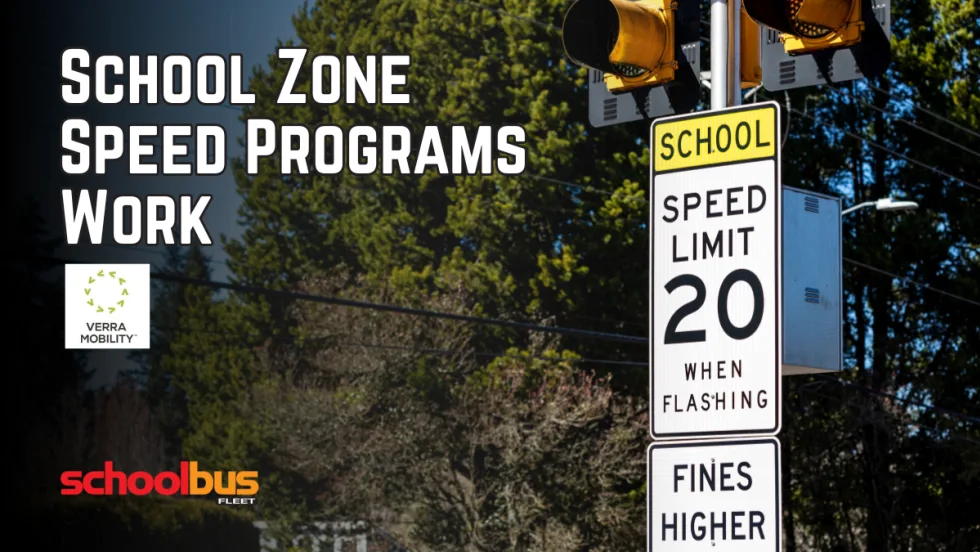
New Study Finds School Zone Speed Safety Cameras Cut Speeding Violations 97%
A Florida university's research demonstrates that Verra Mobility's automated enforcement changes driver behavior and significantly improves school zone safety.
Read More →