



District reduces parent drop-offs with Trip Tracker
With this initiative, Boulder Valley School District students earn “dollars” based on the number of times they walk, bike, carpool or ride the bus to school, and those dollars can be spent at local businesses. Peter Hurst, who developed the initiative, tells SBF that Trip Tracker has helped decrease by 117,000 miles the distance that parents drive their children to and from school.
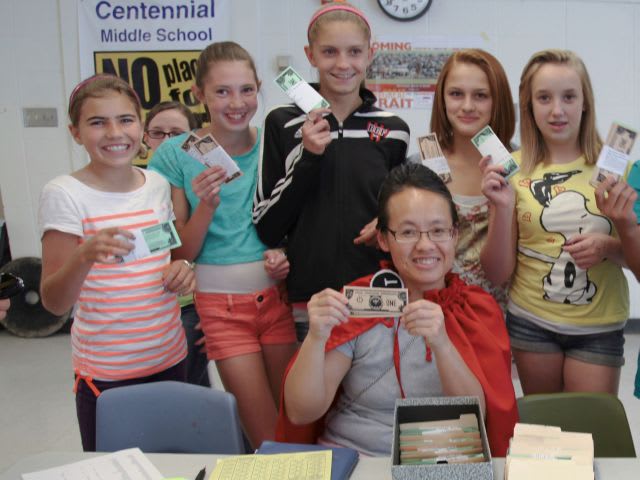
School bus driver Mao Lee (seated) oversees the Trip Tracker initiative at Boulder Valley School District’s Centennial Middle School in Boulder, Colo. These students have earned Trip Tracker dollars for walking, biking, carpooling or riding a bus to school.
BOULDER, Colo. — Boulder Valley School District is reducing the number of parents who transport their children to and from school, and it is increasing bus ridership through an initiative called Trip Tracker.
Trip Tracker is part of a larger program, TO (Transportation Options) School. Peter Hurst, one of two school transportation coordinators for Boulder Valley School District, told SBF in an interview that the TO School program encourages all alternatives to parents driving their students to school (unless they carpool), such as riding the school bus, walking or biking.
With Trip Tracker, students earn Trip Tracker “dollars” based on the number of times they walk, bike, carpool or ride the bus to school. Those dollars can be spent at local businesses.
According to Hurst, the overall goal of the initiative, which was implemented a year and a half ago, was to reduce the number of parents dropping off and picking up kids in single-occupant vehicles, “particularly with the amount of open enrollment that we have, which is around 35%, and the average distance to school is pretty significant,” he said.
Hurst added that while he doesn’t currently have estimates on increases in individual transportation modes as a result of Trip Tracker, it has provided an incentive for some students who were being transported to and from school by their parents to start riding the school bus.
In addition, Trip Tracker has helped the district to achieve its goal of reducing parent drop-offs and pickups.
“We did a survey of parents asking them how effective Trip Tracker has been in reducing their driving at the schools I’m running [the program] at, and it came to 117,000 miles for this year for those three schools,” Hurst said.
Parents register their kids for Trip Tracker, and each month, Hurst sends them a calendar where students can keep track of their trips.
“I send the parents an e-mail at the end of the month asking them to tell me how many trips their kids had,” he explained. “I have a spreadsheet to calculate how many Trip Tracker dollars the students will get, and each month I go to the cafeteria and the kids come and I give them their dollars. I have a list of seven or eight locations where they can spend them like real money.”
Hurst said that students earn one Trip Tracker dollar for every four trips they take. To determine what businesses to reach out to, he talked to students and asked them where they would spend the money if he gave it to them.
For those businesses that participate, Hurst gives them 50 cents on the dollar to establish an equal partnership.
“I’m not asking for a freebie because it wouldn’t be sustainable since it [Trip Tracker] runs all year,” he said. “The businesses really love it. I started it a year and a half ago and all of the businesses are still participating.”
All efforts under the TO School program, including Trip Tracker, are grant-funded. Hurst was awarded $18,000 for Trip Tracker from the city of Boulder’s Climate Action Plan for the coming school year. He plans to use the money to expand Trip Tracker from the current three schools where it is in place to at least 10, including elementary, middle and high schools.
More Management
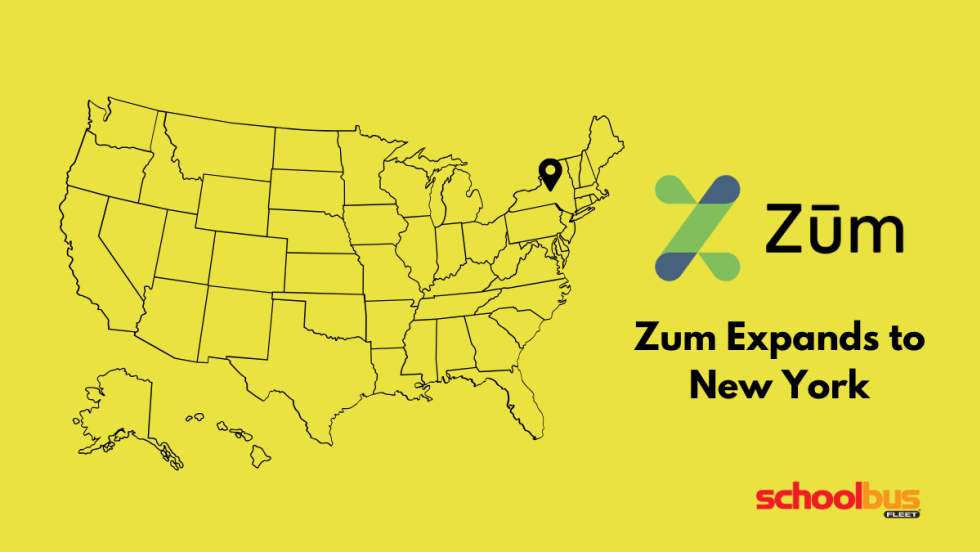
Zum Reaches 19 States With New York Expansion
The addition of the Empire State to the student transportation company's roster marks a growing expansion in the Northeast as it scales its tech and school bus services.
Read More →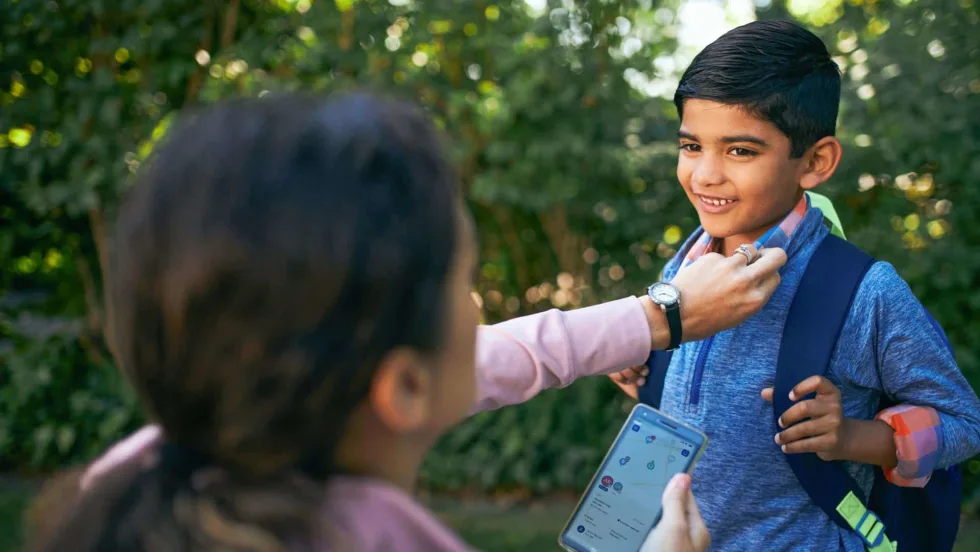
First Student Updates Its Parent App
First View connects both yellow bus and alternative transportation, giving families one platform to track student trips for the new school year, with 15 languages supported.
Read More →
The Back-to-School Checklist Every Director Should Complete Before the First Bell
Help your transportation team start the school year strong with these tips for contingency planning, communication, fleet visibility, technology, and trip management.
Read More →
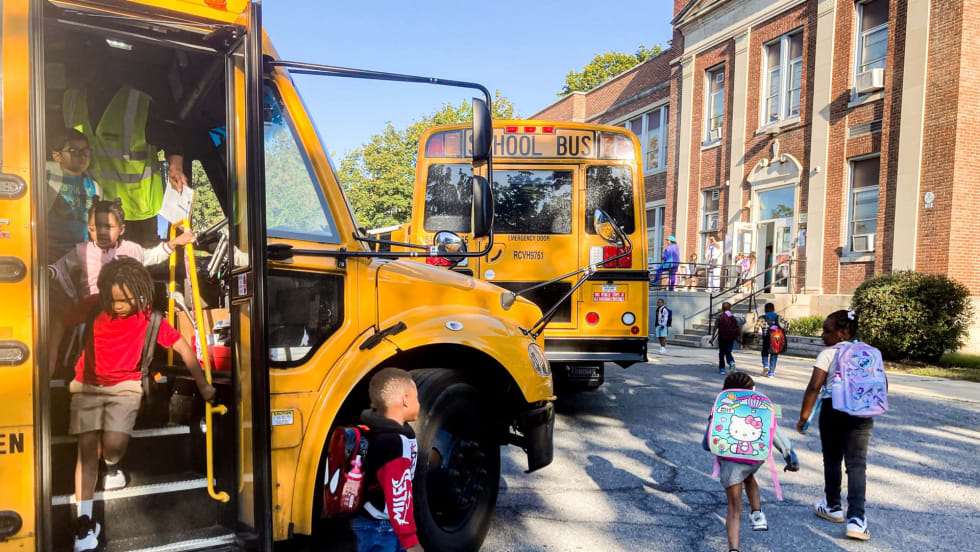
How a New York District Cut Nearly $1M in Transportation Costs While Expanding Bus Access
A data-driven overhaul with BusRight reduced Poughkeepsie City School District's planned routes from 26 to 17 while extending school bus service to about 1,200 additional students.
Read More →
Budgets Down, Enrollment Shifting: What the Data Says Districts Should Watch
School transportation departments face two converging challenges this year: tightening budgets and shifting enrollment. Most districts still address these issues separately, but the assumption that either trend will simplify operations is proving incorrect.
Read More →
These 8 School Transportation Companies Made the 2026 Inc. 5000 List
Find out which school transportation contractors, technology providers, and suppliers ranked among America’s fastest-growing private companies.
Read More →
The Link Between Emotional Intelligence and School Bus Safety
How can emotional intelligence help transportation pros navigate stress, manage change, and build stronger relationships? Listen to find out.
Read More →
What Emotional Intelligence Has to Do With School Bus Safety
In this video, discover how emotional intelligence can help transportation leaders and drivers navigate stress, manage change, and build stronger relationships. The Route is sponsored by IC Bus.
Read More →
Beyond Two-Way Radios: School Bus Communications Evolve With Push-to-Talk Over Cellular
PRYME Radio and PositionPTT join forces to advance hands-free radio use and reduce distracted driving. See how PoC compares with traditional radios on range, cost, safety, and connectivity.
Read More →
Have School Districts Adapted to Bus Driver Shortages or Simply Accepted Less Service?
According to a recent report from HopSkipDrive, many districts appear to have recalibrated what "normal" transportation service looks like.
Read More →