





Don't Miss: 9 Things Would-Be School Bus Drivers Should Know About CDLs
Could FMCSA Proposal Make CDL Process More Flexible?
Among other things, the proposed rulemaking would allow a permit holder who passes the skills test to operate on public roads without a qualified CDL driver in a passenger seat. The FMCSA is accepting comments until April.
February 7, 2024
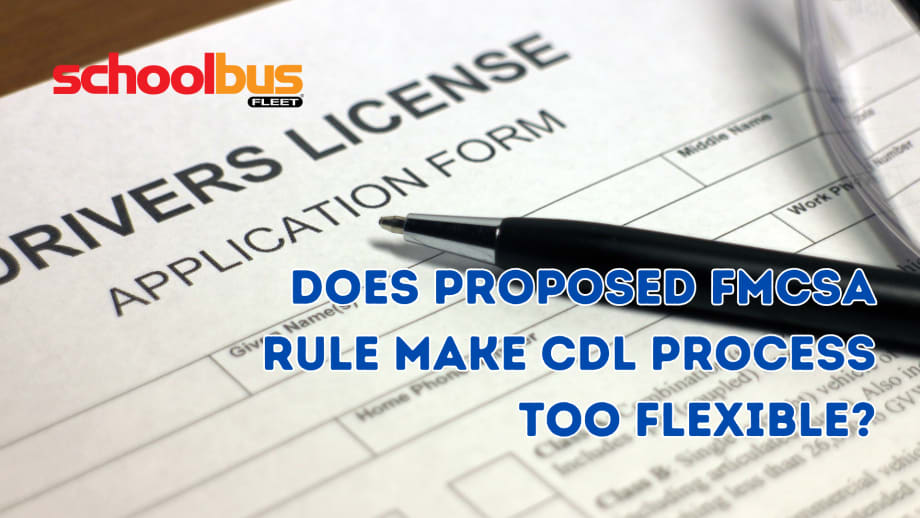
The FMCSA is accepting comments about this proposed rulemaking until April 2.
Image: Canva
2 min to read
A proposed rulemaking under consideration by the Federal Motor Carrier Safety Administration aims to increase commercial driver’s licensing flexibility.
What the New CDL Rule Would Do
If approved, this rulemaking would:
Expand a CDL applicant’s ability to take a skills test in a state other than their state of domicile.
Allow a commercial learner’s permit holder who has passed the skills test to operate a commercial motor vehicle (such as a school bus) on public roads without having a qualified CDL holder as a passenger.
Eliminate the requirement that an applicant wait at least 14 days to take the skills test after initial issuance of the CLP.
Remove the requirement that CMV drivers have a passenger endorsement if they’re transporting a school bus in a driveaway-towaway operation without passengers.
Require third-party knowledge examiners be subject to training, certification, and record check standards currently applicable to state knowledge examiners.
How Is the Proposal Being Received?
The proposed rulemaking has yielded more than 100 comments so far.
“Ever since the ELDT rule came out, I have not had a single applicant be willing to ‘start over’ with the CDL process just for the P endorsement,” wrote Jason Cupp.
“Existing CDL A or B holders should not be made to take the entire ELDT course simply to add a P endorsement to their license,” stated the comment from Hampton Jitney, Inc. “As a passenger-carrying operator, this requirement would severely reduce our ability to find new drivers as many come to us with an A or B license without the P endorsement. Passenger-carrying operators are already facing an extreme shortage of drivers and this would serve to increase that shortage.”
Molli Coleman disagreed with the plan to eliminate the 14-day waiting period because that time could be effectively used to let new drivers to work with experienced drivers that are riding with them.
Wrote Dawn Wheeler: “For an agency that is supposed to be all about SAFETY, I cannot understand the logic in this proposal. By not requiring a CDL holder to be present when a permitted driver is behind the wheel is the height of foolishness. The ONLY way to learn actual safe driving is behind the wheel WITH an experienced CDL driver.”
The FMCSA is accepting comments about the proposal until April 2.
More Safety

How to Build a Better School Bus Driver Training Program
Is it time to strengthen your driver training? Here’s how to pick the right talent and improve recruitment, retention, and safety. This video is brought to you by IC Bus.
Read More →
Recent School Bus Accidents Leave 2 Dead, 2 Injured
Four school bus crashes in Florida, Illinois, and Georgia highlight risks in transportation lots, at bus stops, and during student loading and unloading.
Read More →
Sponsored•September 8, 2026
When Every Second Matters, Clarity Keeps Routes Moving
From routine delays to urgent incidents, strong communication practices help drivers, dispatchers, schools, and families respond with confidence.
Read More →

What Happens When a School Bus Catches Fire — and What Can Help
School bus fires are rare but can be devastating. Learn how advances in fire suppression and asset protection help fleets detect fires earlier, reduce damage, and improve safety.
Read More →
Geotab Launches Tool to Help Fleets Investigate Road Incidents
Geotab Investigations combines telematics data, video, documents, and other evidence to help fleets reconstruct incidents, resolve claims, and determine what happened.
Read More →
Texas Sixth Grader Wins 2026 National School Bus Safety Poster Contest
Sai Darshana Yekolu of Moseley Middle School in Prosper, Texas, was named the newest winner for her artwork, bringing the theme of “Safe Rides, Everyday Heroes” to life.
Read More →
Sponsored•August 27, 2026
Doing More With Less: How Transportation Directors Can Prioritize Safety Amid Budget Uncertainty
With diesel prices soaring and nearly one-third of transportation directors expecting budget cuts, maintaining student safety has never been more challenging. Download this guide to learn how leading districts are prioritizing risk, funding critical safety technology, and building stronger budget cases with data.
Read More →
Walton County Schools Adds Gatekeeper Stop-Arm Enforcement System
The Florida district will deploy Gatekeeper’s updated Student Protector technology, which now incorporates AI to improve video evidence.
Read More →
How To Build a More Secure School Bus Yard During and After Hours
As thefts and overnight security threats continue, school transportation leaders are combining stronger operational practices with AI-enabled surveillance to better protect buses, facilities, and staff.
Read More →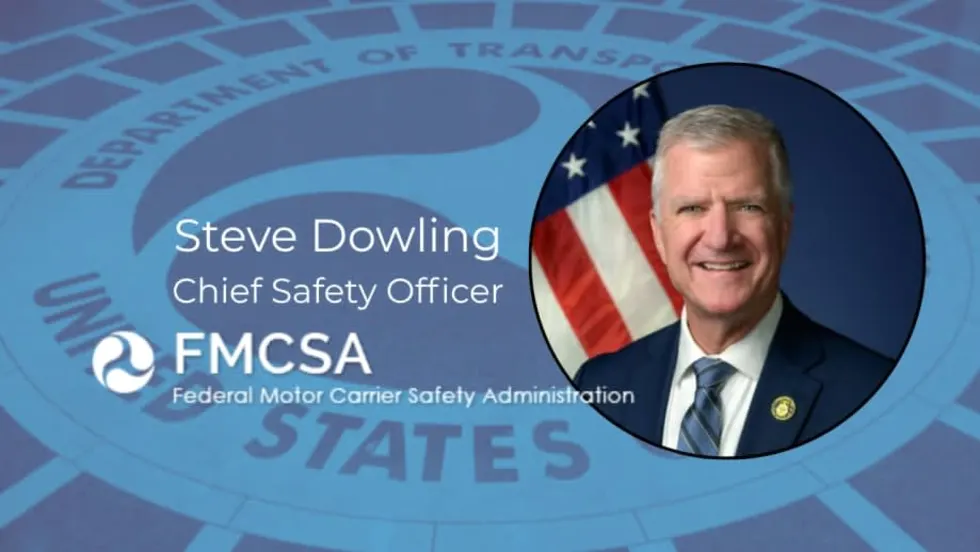
FMCSA Names New Chief Safety Officer: What School Bus Operators Should Know
Steve Dowling is set to lead the federal agency's efforts to advance commercial motor vehicle safety and reduce crashes, fatalities, and injuries on the nation's roadways.
Read More →