





Related: PHOTOS - NASDPTS in D.C.
Colorado State Director Honored for Security Training Efforts
Susan Miller is recognized by Child Safety Network for her work with that organization and the Transportation Security Administration to bring security training to all the state’s districts.
November 3, 2019
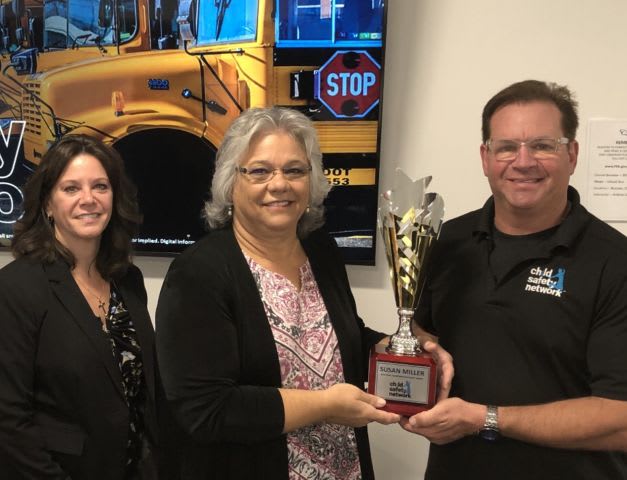
Susan Miller, Colorado's head of pupil transportation (center), receives an award for her school bus security training efforts from Ward Leber, the founder of Child Safety Network. Also shown is Andrea Di Spirito, a TSA trainer. Photo courtesy Child Safety Network
2 min to read
Susan Miller, Colorado's head of pupil transportation (center), receives an award for her school bus security training efforts from Ward Leber, the founder of Child Safety Network. Also shown is Andrea Di Spirito, a TSA trainer. Photo courtesy Child Safety Network
BOULDER, Colo. — The state’s head of pupil transportation was recognized recently for her efforts to bolster security training at all of its school districts.
Child Safety Network (CSN) awarded Susan Miller, the transportation supervisor at the Colorado Department of Education (DOE), with its highest state honor for excellence in school bus safety and security.
Susan Miller, who represents Colorado as state director in the National Association of State Directors of Pupil Transportation Services (NASDPTS), collaborated with CSN, the Transportation Security Administration (TSA), and the Colorado DOE to begin training school districts in ways to make school buses more difficult to target.
On Oct. 23, leaders from across the state spent the day at the Boulder Valley School District transportation department to learn how to train other industry professionals to identify suspicious activities and resolve threats quickly and safely.
“CSN requested that the TSA send trainers from Washington, D.C., to sites in Boulder and Colorado Springs,” said Ward Leber, CSN’s founder. “CSN invited [the state’s] 171 school districts to volunteer to learn and become a force multiplier, by becoming trainers themselves. Susan Miller organized the events and deserves this award for her critical role in protecting students, and for her many years of service dedicated to Colorado’s pupil transportation system.”
“Thank you from the bottom of my heart for this award,” Miller said. “Working at the Colorado Department of Education and with all the amazing people in the school transportation community in Colorado is truly my honor and privilege. I believe this training is extremely important for the safety of the approximately 365,000 students we transport daily, as well as for all of the dedicated school transportation staff that work so diligently to provide safe transportation for our students.”
CSN’s mission is to develop, execute, and administer programs that result in safer school buses and students.
“Upon the creation of the First Observer Program (Plus), I learned very early that pupil transportation professionals are some of the hardest working and most dedicated individuals I have ever had the pleasure to work with,” said Bill Arrington, CSN’s senior advisor on school bus security and former TSA manager for surface transportation nationwide. “I applaud Susan Miller of the Colorado DOE, and Ward Leber of CSN, for continuing to partner with the TSA to train our pupil transportation professionals to be better prepared to protect children. I would also like to thank David Cooper and Andrea DiSpirito of TSA for continuing my legacy, and their dedication to keeping our children safe and secure.”
More Safety

How to Build a Better School Bus Driver Training Program
Is it time to strengthen your driver training? Here’s how to pick the right talent and improve recruitment, retention, and safety. This video is brought to you by IC Bus.
Read More →
Recent School Bus Accidents Leave 2 Dead, 2 Injured
Four school bus crashes in Florida, Illinois, and Georgia highlight risks in transportation lots, at bus stops, and during student loading and unloading.
Read More →
Sponsored•September 8, 2026
When Every Second Matters, Clarity Keeps Routes Moving
From routine delays to urgent incidents, strong communication practices help drivers, dispatchers, schools, and families respond with confidence.
Read More →

What Happens When a School Bus Catches Fire — and What Can Help
School bus fires are rare but can be devastating. Learn how advances in fire suppression and asset protection help fleets detect fires earlier, reduce damage, and improve safety.
Read More →
Geotab Launches Tool to Help Fleets Investigate Road Incidents
Geotab Investigations combines telematics data, video, documents, and other evidence to help fleets reconstruct incidents, resolve claims, and determine what happened.
Read More →
Texas Sixth Grader Wins 2026 National School Bus Safety Poster Contest
Sai Darshana Yekolu of Moseley Middle School in Prosper, Texas, was named the newest winner for her artwork, bringing the theme of “Safe Rides, Everyday Heroes” to life.
Read More →
Sponsored•August 27, 2026
Doing More With Less: How Transportation Directors Can Prioritize Safety Amid Budget Uncertainty
With diesel prices soaring and nearly one-third of transportation directors expecting budget cuts, maintaining student safety has never been more challenging. Download this guide to learn how leading districts are prioritizing risk, funding critical safety technology, and building stronger budget cases with data.
Read More →
Walton County Schools Adds Gatekeeper Stop-Arm Enforcement System
The Florida district will deploy Gatekeeper’s updated Student Protector technology, which now incorporates AI to improve video evidence.
Read More →
How To Build a More Secure School Bus Yard During and After Hours
As thefts and overnight security threats continue, school transportation leaders are combining stronger operational practices with AI-enabled surveillance to better protect buses, facilities, and staff.
Read More →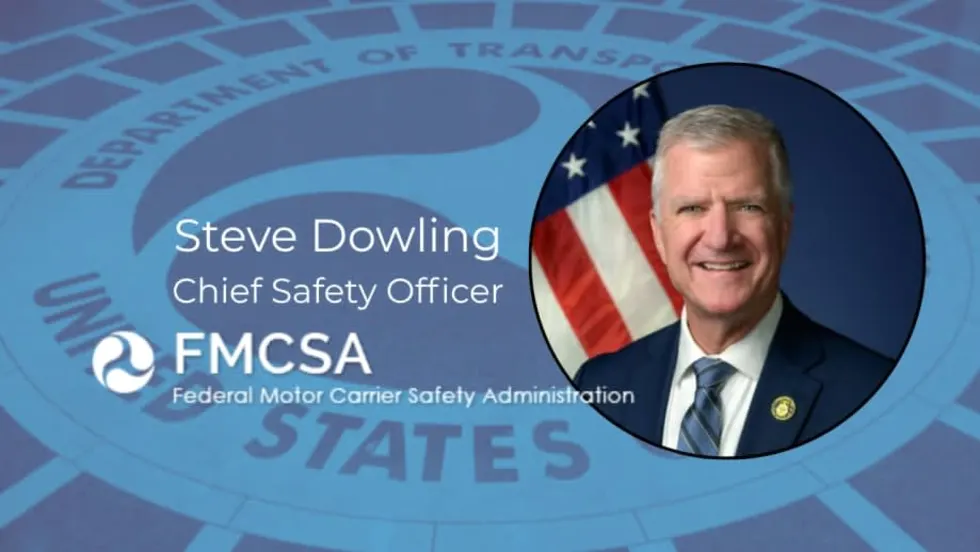
FMCSA Names New Chief Safety Officer: What School Bus Operators Should Know
Steve Dowling is set to lead the federal agency's efforts to advance commercial motor vehicle safety and reduce crashes, fatalities, and injuries on the nation's roadways.
Read More →