




CARB Passes Smog Check Regulation for Trucks, Buses
California’s Heavy-Duty Inspection and Maintenance program will require vehicles with a gross vehicle weight rating greater than 14,000 pounds operating in California to perform periodic testing.


The Heavy-Duty Inspection and Maintenance program will roll out a statewide network of roadside emission monitors to screen for high emitting trucks.
Photo: CARB
The California Air Resources Board approved a regulation that would require some medium- and heavy-duty trucks and bus owners to inspect their vehicles’ emissions control systems twice a year.
The Heavy-Duty Inspection and Maintenance program will roll out a statewide network of roadside emission monitors to screen for high emitting trucks, starting with the San Joaquin Valley and South Coast and expanding over time. It will also require vehicles with a gross vehicle weight rating greater than 14,000 pounds operating in California to perform periodic testing and submit the data to CARB.
As with passenger cars and light-duty trucks, California registration of these heavier vehicles will require passing an emissions control system inspection. Unlike light-duty smog checks, however, there is no requirement to go to a ‘brick and mortar’ heavy-duty smog check station.
Heavy-duty vehicle owners will be able to complete the required test and deliver the information remotely without having to travel to designated testing locations. For telematics users, an onboard diagnostics inspection that draws emissions control performance data from the vehicle’s internal computer, an inspection can be completed automatically without taking the vehicle out of operation. OBD systems have been required by CARB on heavy-duty vehicles since 2013. Older heavy-duty vehicles without on-board diagnostic systems would continue the current opacity testing requirements with an added visual testing component, twice each year.
The Heavy-Duty Vehicle Inspection Program will continue to augment the new testing requirements with inspections and testing randomly carried out at border crossings, California Highway Patrol weigh stations, fleet facilities and randomly selected roadside locations.
The regulation expects to cover roughly 1 million heavy-duty trucks and buses operating in California. While these vehicles comprise 3% of all vehicles on California roads, they are responsible for more than 50% of nitrogen oxides and fine particle diesel pollution from all mobile sources in the state, CARB officials said in a press release.
By 2037, the program is estimated to deliver reductions of 82 tons per day of NOx and fine particle diesel pollution. CARB also directed a four-times per year testing frequency for trucks with on-board diagnostics to be phased in over time.
The program is estimated to cost $4 billion. CARB officials say the program is expected to yield $75 billion in health benefits, prevent 7,500 air-quality related deaths and 6,000 hospitalizations and emergency room visits from 2023 to 2050.
The new program implements SB 210, which was authored by California Senator and ex-officio CARB member Connie Leyva in 2019. It will also include independent owner/operators who were exempt from the current program of periodic smoke inspections.
Originally posted on Heavy Duty Trucking
More Management

Changing Lanes: BusWhere, EverDriven, InterMotive, Summit School Services, Switzer-Carty & Thomas Built Buses
Check out who's been hired, promoted, and appointed to leadership positions at various school transportation suppliers, contractors, and manufacturers.
Read More →
The Most Expensive Thing You Do Before Selling a School Bus: Wait
When should you sell an aging school bus? Learn how maintenance, mileage, corrosion, specifications, and timing can affect resale value long before the auction.
Read More →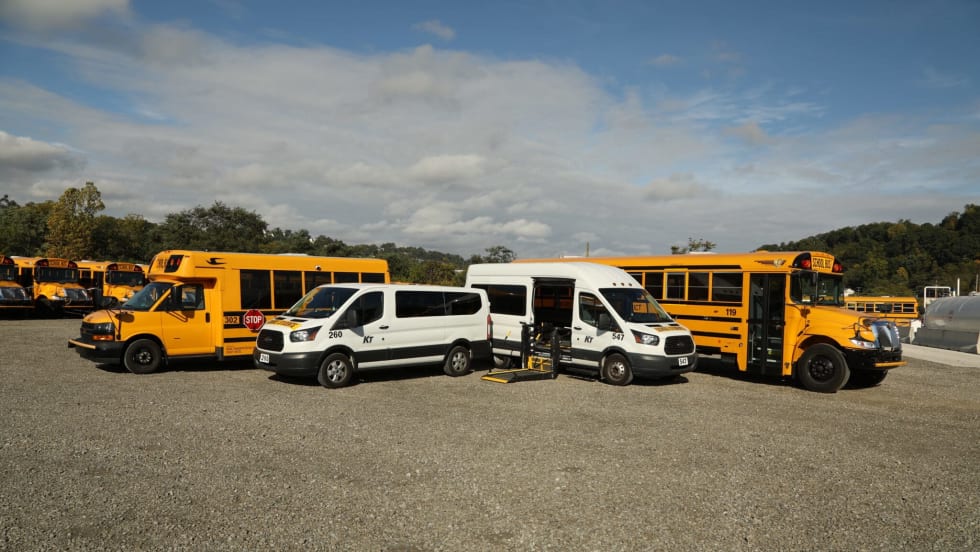
American Student Transportation Partners Acquires AJ Myers and Sons
A new deal brings a 75-year Pennsylvania student transportation provider into one of the nation’s largest private school bus contracting groups.
Read More →
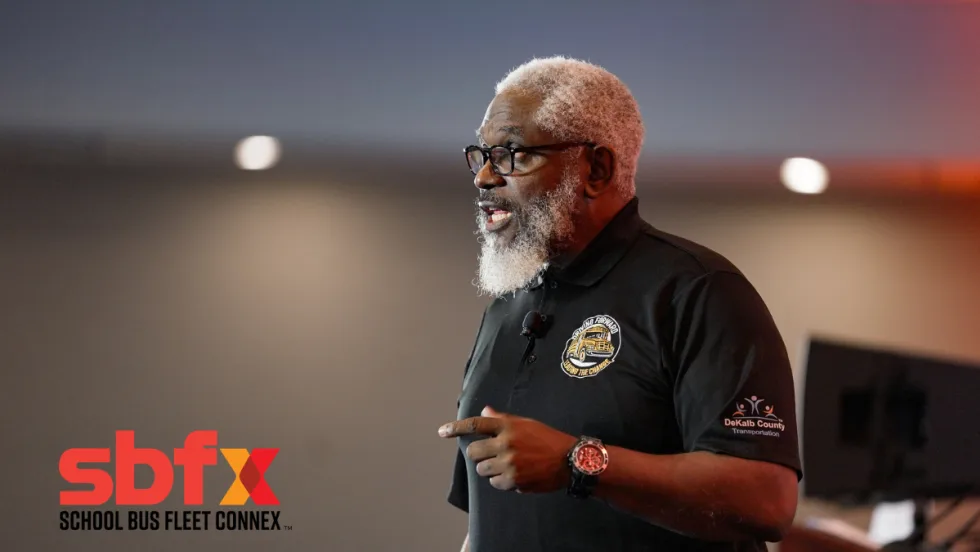
What I Brought Home From SBFX: Relationships, Leadership, and Preparing What's Next
Who could lead your transportation operation tomorrow if you couldn't? Bernando Brown explores succession planning, mentorship, and preparing emerging leaders to step up.
Read More →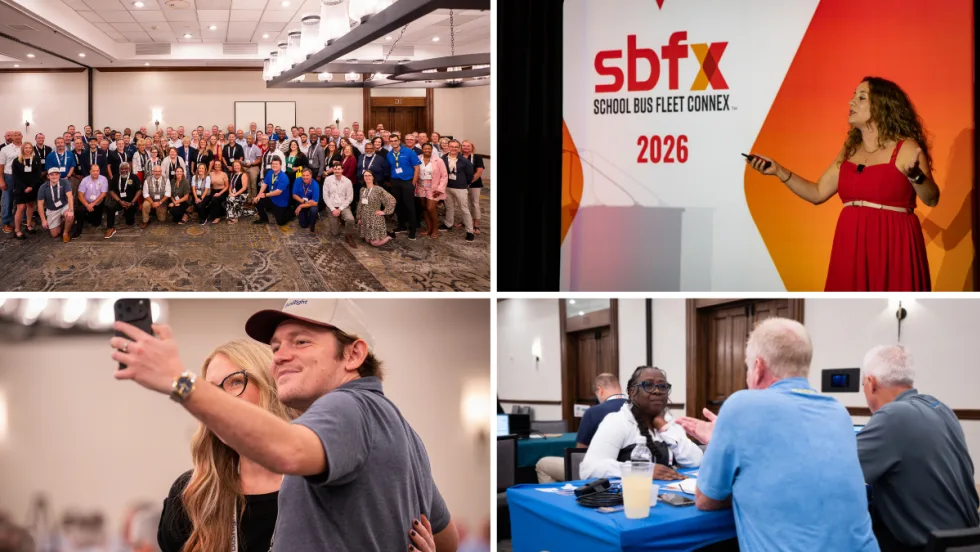
Inside School Bus Fleet ConneX 2026: Industry Leaders Connect in Scottsdale [Photos]
See highlights from SBFX 2026 in Arizona, where school bus operators and suppliers gathered for meetings, education, networking, awards, and more.
Read More →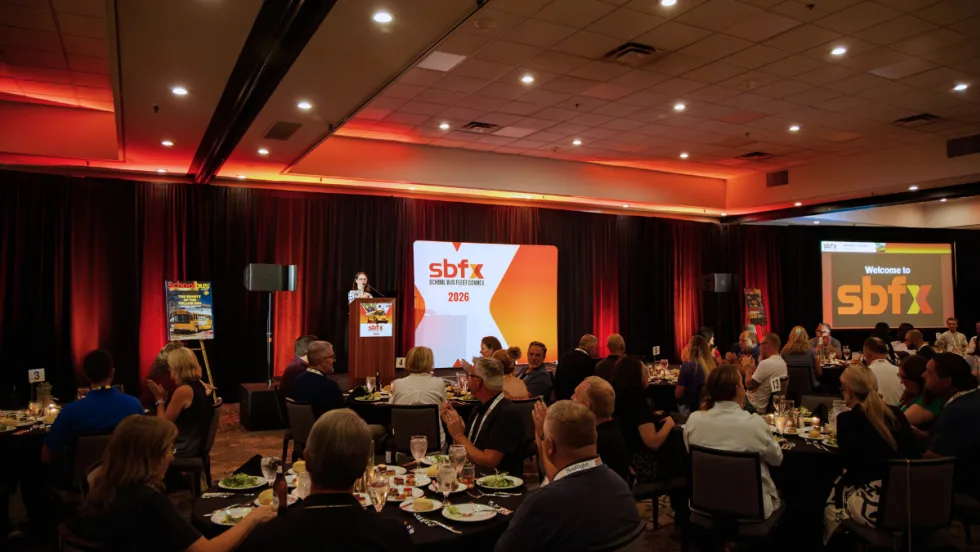
School Transportation’s Biggest Pressures and Opportunities: SBFX Attendees Weigh In
School bus operators point to rising costs, staffing, and vehicle prices as immediate pressures while identifying technology, training, and routing as opportunities for growth.
Read More →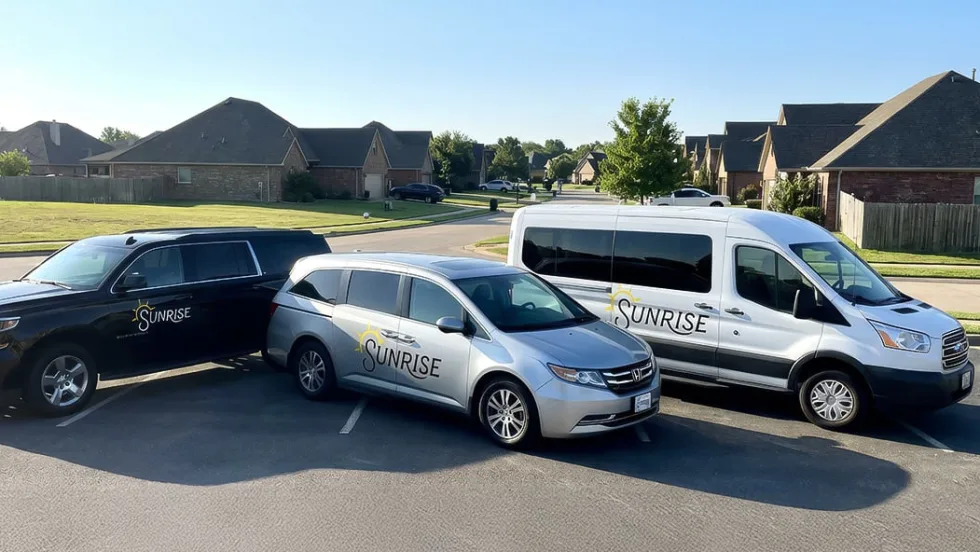
STA Acquires Sunrise Transportation
Student Transportation of America expands in Illinois and Connecticut through Sunrise's fleet of nearly 1,000 vehicles.
Read More →
EPA Opens $180M DERA Funding Round for Diesel Upgrades
The 2026 Diesel Emissions Reduction Act program seeks applications from eligible organizations to accelerate the retirement of legacy diesel vehicles.
Read More →
HopSkipDrive’s CareEngine Targets the ‘Exceptions’ in Student Transportation
The new platform works alongside districts’ existing transportation management systems to coordinate specialized rides, automate last-minute changes, and turn ride data into operational improvements.
Read More →
The Right Ride for Every Student: Navigating the New Student Transportation Ecosystem
How should districts blend school buses with small-vehicle transportation and other options? EverDriven CEO Mitch Bowling discusses safety, costs, partnerships, and strategy.
Read More →