





More on Emissions: Where to Now for Diesels?
EPA Seeks Small-Business Input on Phase 3 GHG Rules for Trucks, Buses
The U.S. Environmental Protection Agency is inviting small businesses to give it feedback on the agency's proposed Phase 3 greenhouse gas emissions rules.
August 18, 2022

EPA says zero-emissions vehicles will be an important part of its Phase 3 greenhouse gas regulations.
Photo: GNA/ACT Expo
2 min to read
The U.S. Environmental Protection Agency is inviting small businesses to give it feedback on the agency's proposed Phase 3 greenhouse gas emissions rules.
EPA is looking for "Small Entity Representatives" to participate on a Small Business Advocacy Review Panel. This panel will focus on the agency’s development of a rule that proposes to set a new phase of greenhouse gas requirements for heavy-duty engines and trucks that would apply beginning in model year 2030.
EPA first adopted GHG requirements for heavy-duty vehicles in 2011. The Phase 1 rule created a new certification and compliance program based on the computer simulation of vehicle carbon dioxide emissions and fuel efficiency rather than emissions and fuel efficiency testing, set performance-based standards, and adopted interim provisions to address impacts on small businesses. The Phase 1 standards began to apply in model-year 2014 for heavy-duty vehicles.
In 2016, EPA adopted a Phase 2 rule that set more stringent CO2 standards, as well as limits for hydrofluorocarbon, methane, and nitrous oxide (three other greenhouse gases.) The Phase 2 standards began to apply in model-year 2021. The Phase 2 rule also updated the prescribed emission simulation model to account for additional and new fuel-saving technologies and included flexibilities for small businesses that were identified by an SBAR Panel for that rulemaking.
This Phase 3 proposal would revise the GHG emission limits for heavy-duty vehicles while relying on the same basic certification and compliance structure already in place. The Phase 3 proposed rulemaking changes are expected to include more stringent vehicle emission standards to apply beginning in model-year 2030, based on revised projections of GHG-emission-reduction technologies used by engine and vehicle manufacturers, including future technology development. In developing the new standards, EPA will consider what it calls “the important role of zero-emission vehicle (ZEV) technologies to significantly reduce air pollution from the heavy-duty vehicle sector.”
The proposal also would include “limited and targeted flexibilities for small businesses,” thus the desire for small-business input.
The panel will include federal representatives from the Small Business Administration, the White House Office of Management and Budget, and EPA. The panel members ask a selected group of “Small Entity Representatives” to provide advice and recommendations on behalf of their company, government, or organization to inform panel members about the potential impacts of the proposed rule on small businesses.
EPA is looking for self-nominations directly from small businesses that may be subject to the rule requirements. Other representatives, such as trade associations that exclusively or at least primarily represent potentially regulated small entities, may also serve as SERs.
Self-nominations must be received by Aug. 29.
Originally posted on Heavy Duty Trucking
More Maintenance

The Evolution of DEF Header Technology: What School Bus Operations Should Know at Replacement Time
See what school bus fleets should consider when replacing DEF headers to improve reliability, reduce repeat repairs, and control maintenance costs.
Read More →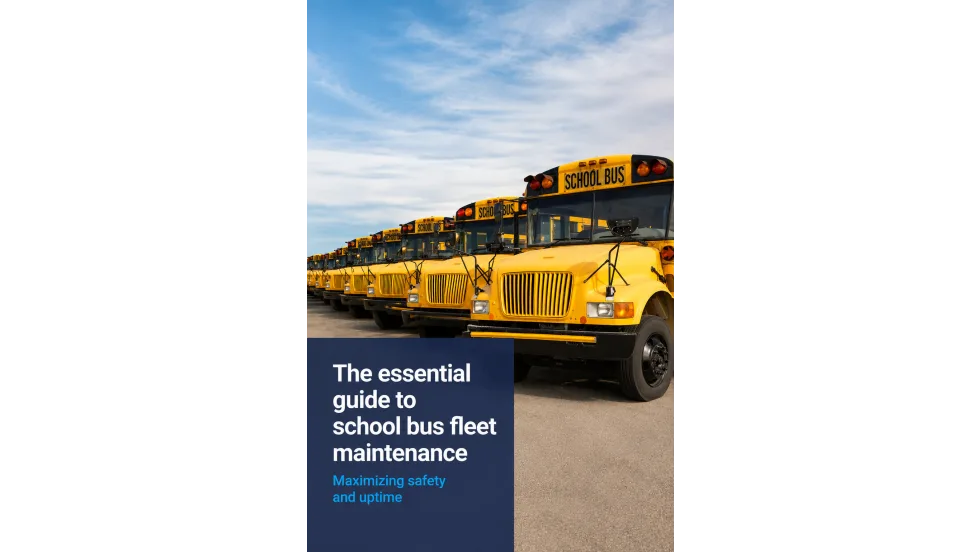
Sponsored•September 8, 2026
The Essential Guide to School Bus Maintenance and Student Safety
Your district's buses carry students to school every day. This guide shows how predictive maintenance powered by fleet data helps keep buses reliable, drivers accountable and students safer from the first bell to the last stop.
Read More →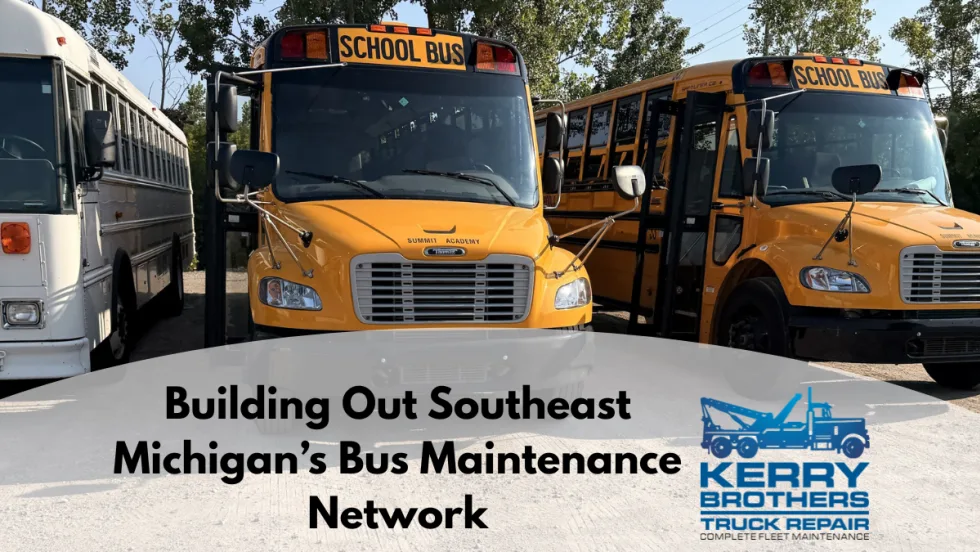
Kerry Brothers Grows Michigan School Bus Repair Network
The acquisition of Downriver Truck and Bus expands Kerry Brothers’ school bus maintenance footprint across southeast Michigan, adding repair capacity, diagnostic resources, and state inspection support.
Read More →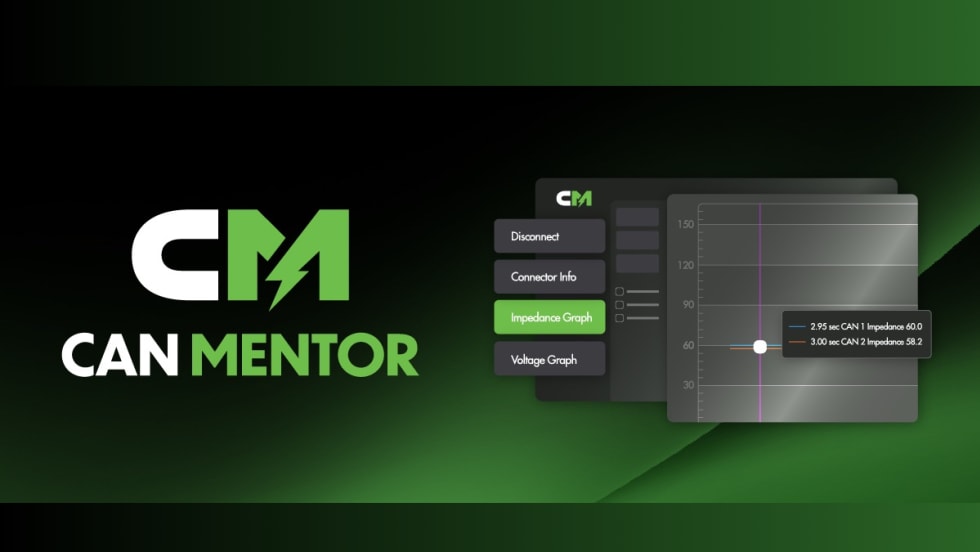
Noregon Introduces CAN Bus Diagnostic Tool, Expands JPRO Features
CAN Mentor and the latest JPRO update aim to simplify vehicle network diagnostics and improve repair efficiency for technicians of all experience levels.
Read More →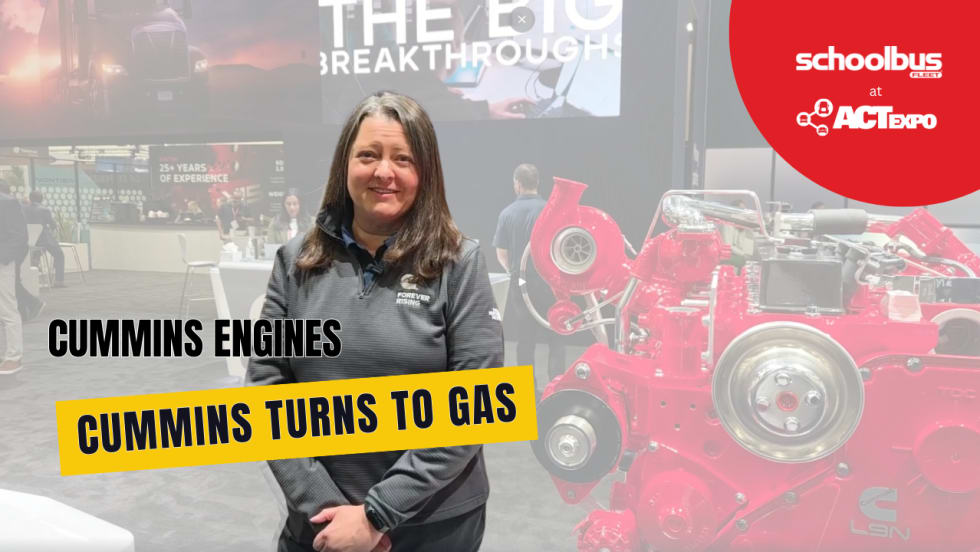
Cummins on Smarter, Simpler Engine Innovation
Cummins discusses its first-ever gasoline engine for school buses, EPA 2027, and why bus fleets still want durable, simpler internal combustion options.
Read More →
Report: 72% of Diesel School Buses Now Use Advanced Low-Emission Engines
New data shows advanced low-emission diesel technology continues expanding across school bus fleets, even as electric bus adoption gains momentum.
Read More →
Vampire Tools' CAIMAN 7.5-Inch Multi-Purpose Screw Extractor Long-Nose Pliers with Crimper
Vampire Tools introduced the VAMPLIERS Caiman 7.5-inch multi-purpose pliers, combining screw extraction, cutting, crimping, and gripping functions into a single tool designed for fleet maintenance professionals.
Read More →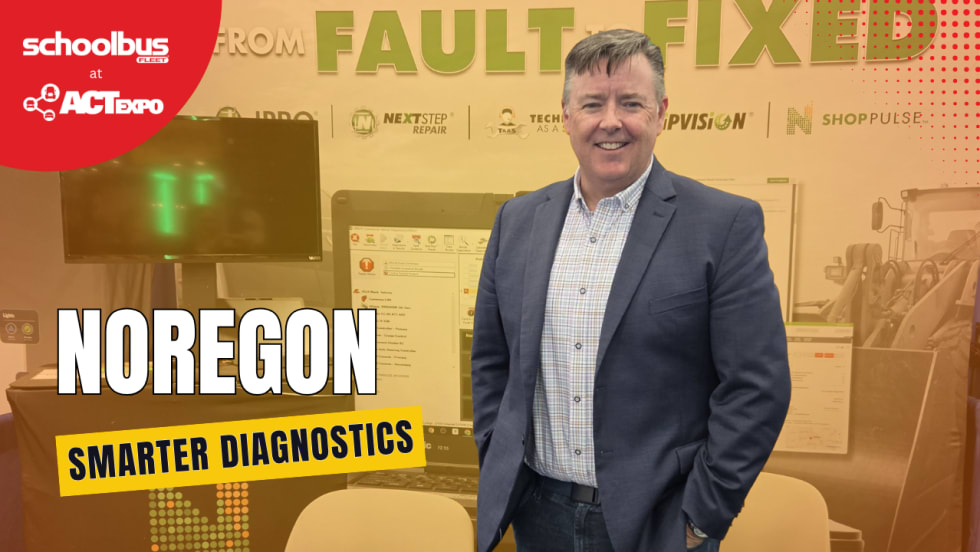
How Advanced Diagnostics Helps Bus Fleets Stay Ahead of Repairs
Chat with Noregon’s Kevin Smallhorn at ACT Expo about bus diagnostic tools, telematics integration, CNG maintenance support, and strategies to help reduce downtime and improve uptime.
Read More →
How School Bus Fleets are Getting Ahead of Breakdowns
Don’t let bus downtime wear you down. Here’s how bus operators are shifting from manual processes to AI-powered, data-driven maintenance systems for improved reliability and safety.
Read More →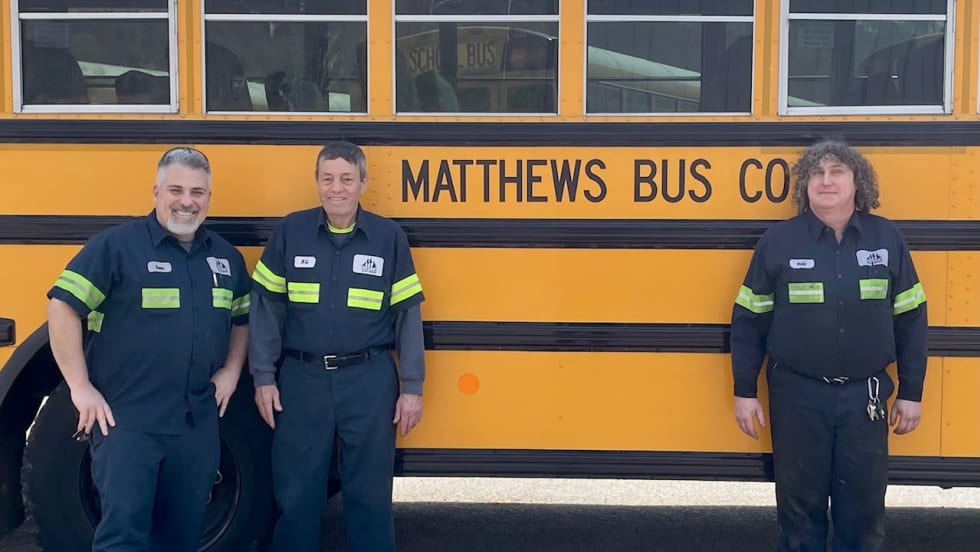
Pennsylvania School Bus Maintenance Team Praised for Dedication to Safety
Matthews Bus Company’s West Jefferson received a letter of commendation from the Pennsylvania State Police for their fleet inspections.
Read More →