




Bus camera is compact, vibration resistant
Moxa Americas Inc.’s VPort P06-1MP-M12 IP surveillance cameras feature an operating temperature of minus 40 to 75 degrees C, vibration-resistant M12 connectors and a vandal-resistant housing.


BREA, Calif. — Moxa Americas Inc.’s rugged VPort P06-1MP-M12 IP surveillance cameras are easy to install, and are well-suited for the school bus environment, according to the company.
The rugged VPort P06-1MP-M12 features an operating temperature of minus 40 to 75 degrees C, vibration-resistant M12 connectors, EN 62262 IK8 vandal-resistant design, audio input, PoE power input, and IP66 rain and dust protection.
The Moxa VPort P06-1MP-M12 series is certified EN50155 for long-term reliability of onboard electronic equipment subjected to constant EMC, shock, vibration, temperature variation and humidity. Moxa’s surveillance IP camera model VPort P06-1MP-M12 series meets these stringent requirements and includes a five-year manufacturer’s warranty.
Mounting devices on school buses is sometimes a challenge for operators, and to answer this challenge, Moxa officials said that the VPort 06-1MP-M12 series, with a height of 47 mm, is especially well suited for vehicle applications with limited installation space. The camera supports Power-over-Ethernet to make installation quick and easy.
To provide top video performance, the VPort P06-1MP-M12 supports Moxa's Dynastream™ technology with dynamic bandwidth management to optimize mobile network performance.
In addition, Moxa's CBR Pro technology is built in to provide a constant bit rate for better video image transmission with limited bandwidth. Both H.264 and MJPEG video streaming are supported to optimize bandwidth efficiency and image quality based on the compression level, frame rate and video resolution. The IP camera supports up to 30 frames per second at 720P HD (1280x800) resolution.
Other recent stories on bus cameras:
More Maintenance

Noregon Introduces CAN Bus Diagnostic Tool, Expands JPRO Features
CAN Mentor and the latest JPRO update aim to simplify vehicle network diagnostics and improve repair efficiency for technicians of all experience levels.
Read More →
Cummins on Smarter, Simpler Engine Innovation
Cummins discusses its first-ever gasoline engine for school buses, EPA 2027, and why bus fleets still want durable, simpler internal combustion options.
Read More →
Report: 72% of Diesel School Buses Now Use Advanced Low-Emission Engines
New data shows advanced low-emission diesel technology continues expanding across school bus fleets, even as electric bus adoption gains momentum.
Read More →
Vampire Tools' CAIMAN 7.5-Inch Multi-Purpose Screw Extractor Long-Nose Pliers with Crimper
Vampire Tools introduced the VAMPLIERS Caiman 7.5-inch multi-purpose pliers, combining screw extraction, cutting, crimping, and gripping functions into a single tool designed for fleet maintenance professionals.
Read More →
How Advanced Diagnostics Helps Bus Fleets Stay Ahead of Repairs
Chat with Noregon’s Kevin Smallhorn at ACT Expo about bus diagnostic tools, telematics integration, CNG maintenance support, and strategies to help reduce downtime and improve uptime.
Read More →
How School Bus Fleets are Getting Ahead of Breakdowns
Don’t let bus downtime wear you down. Here’s how bus operators are shifting from manual processes to AI-powered, data-driven maintenance systems for improved reliability and safety.
Read More →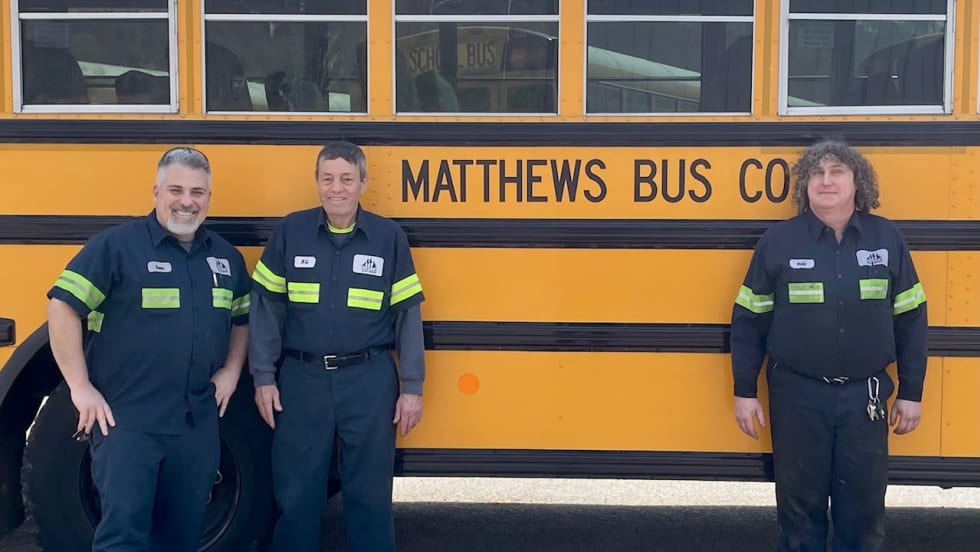
Pennsylvania School Bus Maintenance Team Praised for Dedication to Safety
Matthews Bus Company’s West Jefferson received a letter of commendation from the Pennsylvania State Police for their fleet inspections.
Read More →
From Chaos to Clarity: How School Districts Are Running Leaner Transportation Operations
Covering 38 routes on a Friday afternoon. Buses idling while routes overlap. Parents calling nonstop about late arrivals. Sound familiar? This whitepaper explores how district transportation leaders solved these exact problems — and what measurable results followed.
Read More →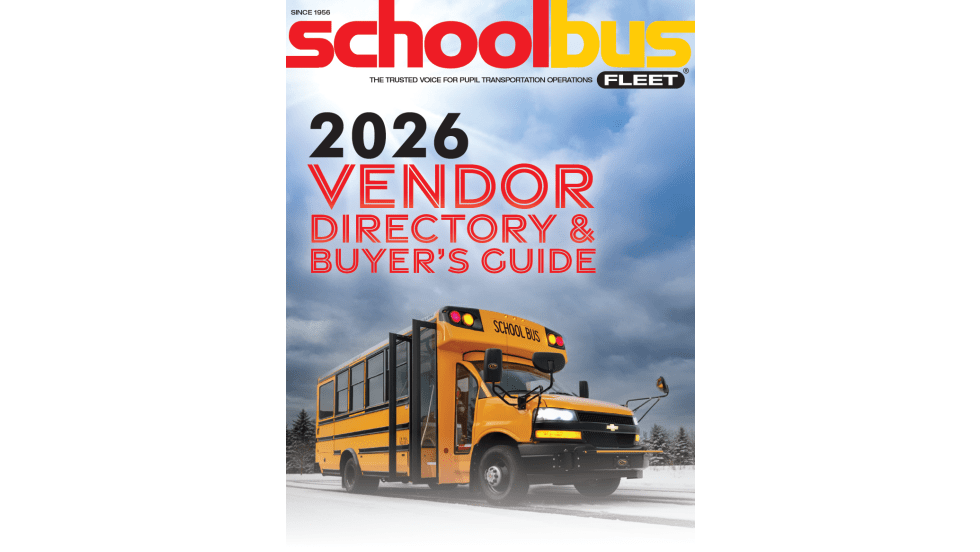
2026 School Bus Fleet Vendor Directory & Buyer's Guide
Searching for the right equipment, technology, or services for your school transportation program? This industry guide brings together manufacturers and suppliers across the entire school bus market, all in one place. Download it to find the partners who can help move your operation forward.
Read More →
2026 School Bus Maintenance Survey
What top challenges are school bus maintenance teams facing in 2026? Explore new trends from School Bus Fleet’s annual maintenance survey covering fleet composition and age, fuel types, used vs. new purchasing patterns, technician pay and certifications, and the impact of the driver shortage. Survey sponsor: Dayton Parts.
Read More →