




ASBC Urges Parents to Choose the School Bus
The American School Bus Council cites the safety record and other benefits of yellow bus transportation.

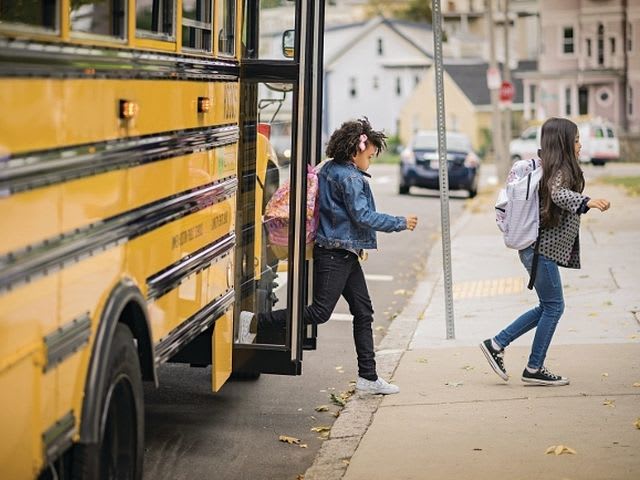
In a message to parents, the American School Bus Council cites the safety record and other benefits of yellow buses. Photo courtesy Propane Education and Research Council
In a message to parents, the American School Bus Council cites the safety record and other benefits of yellow buses. Photo courtesy Propane Education and Research Council
The American School Bus Council (ASBC) is encouraging parents to choose the yellow bus for their children’s school transportation this year.
ASBC — a coalition of public and private transportation providers, school bus manufacturers, and state directors of pupil transportation — issued a press release citing the safety record and other benefits of school bus transportation.
The council noted that school buses make up the largest system of mass transportation in the country, shuttling nearly 25 million students to and from school daily — more passengers than planes, trains, and subways combined.
The National Highway Traffic Safety Administration (NHTSA) has affirmed that school buses are the safest form of transportation to and from school. In its message to parents, ASBC cited NHTSA’s assertion that students are 70 times more likely to arrive at school alive if they take the school bus versus driving themselves or riding with friends.
"The statistics are startling," said Diana Hollander, president of the National Association of State Directors of Pupil Transportation Services. "We all want to protect children as they go back to school this school year, and one of the ways to do that is to use the school bus as the primary form of school transportation. Riding the school bus literally may save your child's life."
School buses meet more federal motor vehicle safety standards than any other vehicle on the road — 42 altogether — according to NHTSA. ASBC also noted that there are a number of emerging technologies on the market today to make school buses even safer, including interior video cameras, stop-arm cameras, student and vehicle tracking technology, lane departure warnings, and collision mitigation systems, among others. Some school buses across the country also have seat belts, either two-point lap belts or, more recently, three-point lap-shoulder belts.
"We are seeing a growing number of school systems and their private sector service providers incorporate lap-shoulder belts on their school buses," Hollander said. "But even without seat belts, school buses are the safest form of transportation to school because of a unique form of 'automatic' passenger protection called compartmentalization — meaning high-backed, closely spaced, well-padded, energy-absorbing seating specifically designed to protect children."
ASBC also pointed to the school bus drivers as an integral safety component. All school bus drivers must have a Class B or C commercial driver's license with P (passenger) and S (school bus) endorsements. They are subject to random testing for drug or alcohol misuse, and they commonly undergo a driving record check and a criminal history check.
Most school bus drivers must complete a pre-service training course, including classroom instruction and behind-the-wheel training.
"School bus drivers today must undergo extensive training to drive safely, as well as to monitor and protect the students on board," said Keith Henry, president of the National Association for Pupil Transportation.
In its message to parents, ASBC also highlighted the environmental benefits of the school bus. According to the council, every school bus replaces up to 36 passenger cars that would otherwise be on the road each morning and afternoon transporting students. Also, ASBC noted, school buses are increasingly being powered by alternative fuels.
"School buses are not just a safe, environmentally friendly, and convenient way to get to school, but a vital instrument in keeping our children in the classroom and improving our education system," said Todd Monteferrario, president of the National School Transportation Association. "For many students, the school bus is the only way that they can get to and from school safely. We encourage parents to remember that the big yellow bus is the safest and smartest choice when available."
More Management
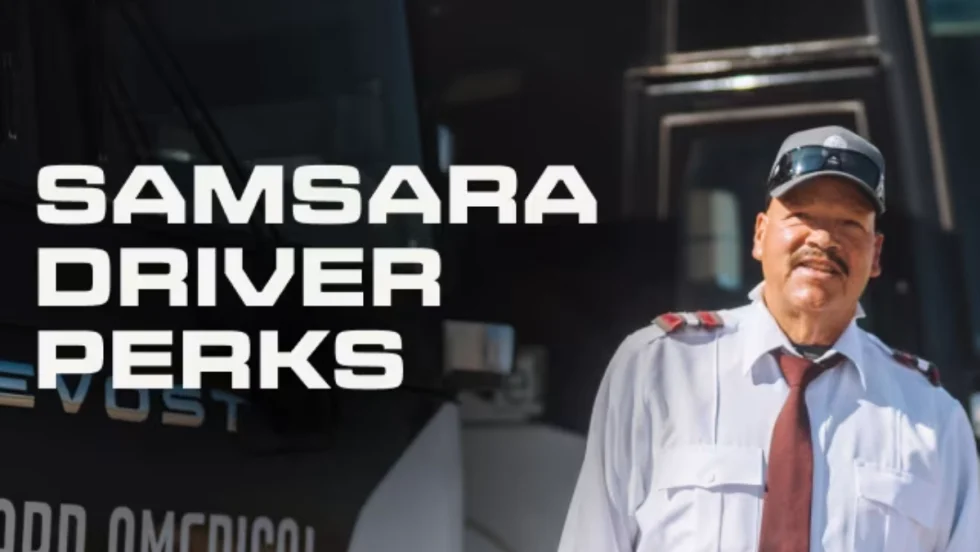
Samsara Launches Free Driver Rewards Program
The new Driver Perks program gives eligible professional drivers access to discounts and offers without adding a cost for participating fleets.
Read More →
How Tax-Exempt Municipal Leases Can Help Finance School Buses
Let’s explore school bus financing options, including municipal leases, vendor payable accounts, and balloon payments, and how they can help stretch fleet budgets.
Read More →
Nominate Rising School Transportation Pros Under 40!
We’re searching for the next generation of leaders making an impact across the K-12 student transportation industry to recognize as SBF’s 2027 Trailblazers. Nominations are open now!
Read More →

Changing Lanes: BusWhere, EverDriven, InterMotive, Summit School Services, Switzer-Carty & Thomas Built Buses
Check out who's been hired, promoted, and appointed to leadership positions at various school transportation suppliers, contractors, and manufacturers.
Read More →
The Most Expensive Thing You Do Before Selling a School Bus: Wait
When should you sell an aging school bus? Learn how maintenance, mileage, corrosion, specifications, and timing can affect resale value long before the auction.
Read More →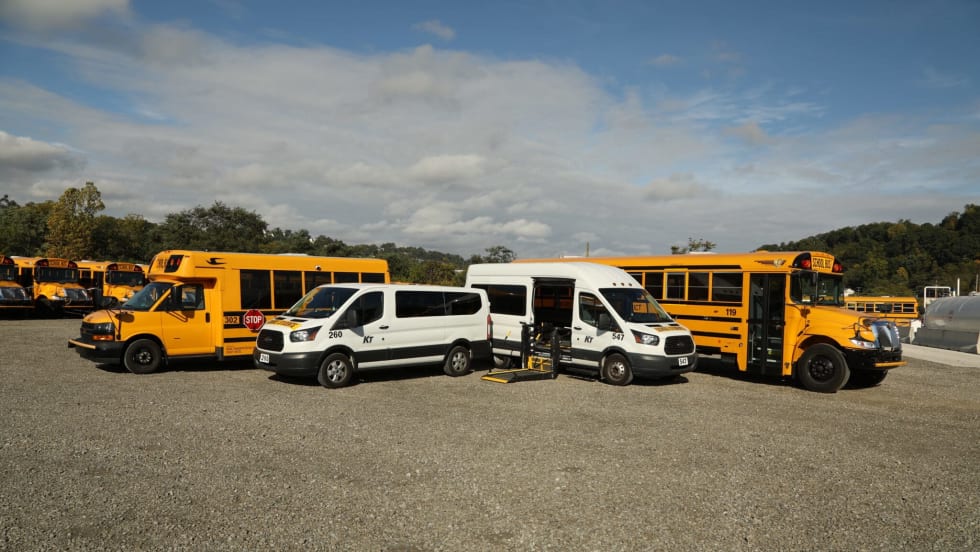
American Student Transportation Partners Acquires AJ Myers and Sons
A new deal brings a 75-year Pennsylvania student transportation provider into one of the nation’s largest private school bus contracting groups.
Read More →
What I Brought Home From SBFX: Relationships, Leadership, and Preparing What's Next
Who could lead your transportation operation tomorrow if you couldn't? Bernando Brown explores succession planning, mentorship, and preparing emerging leaders to step up.
Read More →
Inside School Bus Fleet ConneX 2026: Industry Leaders Connect in Scottsdale [Photos]
See highlights from SBFX 2026 in Arizona, where school bus operators and suppliers gathered for meetings, education, networking, awards, and more.
Read More →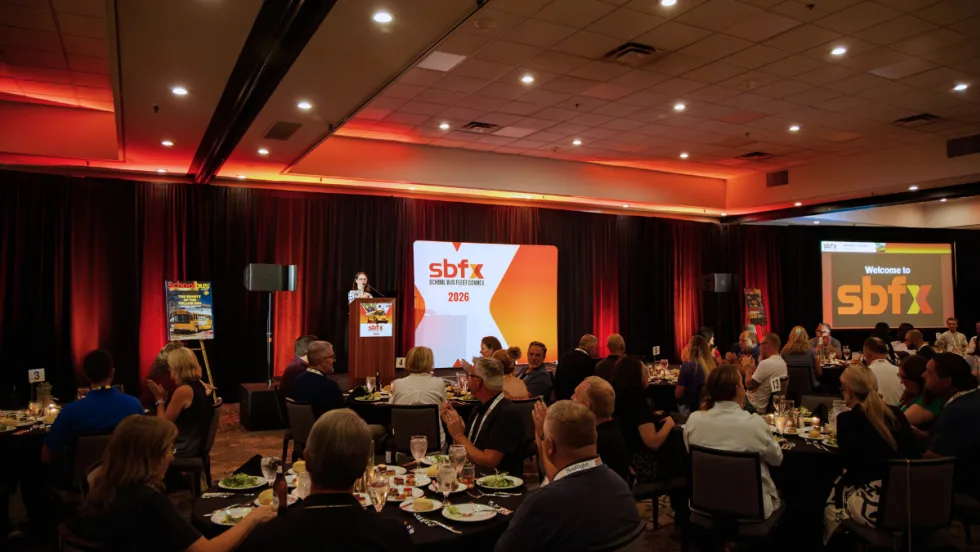
School Transportation’s Biggest Pressures and Opportunities: SBFX Attendees Weigh In
School bus operators point to rising costs, staffing, and vehicle prices as immediate pressures while identifying technology, training, and routing as opportunities for growth.
Read More →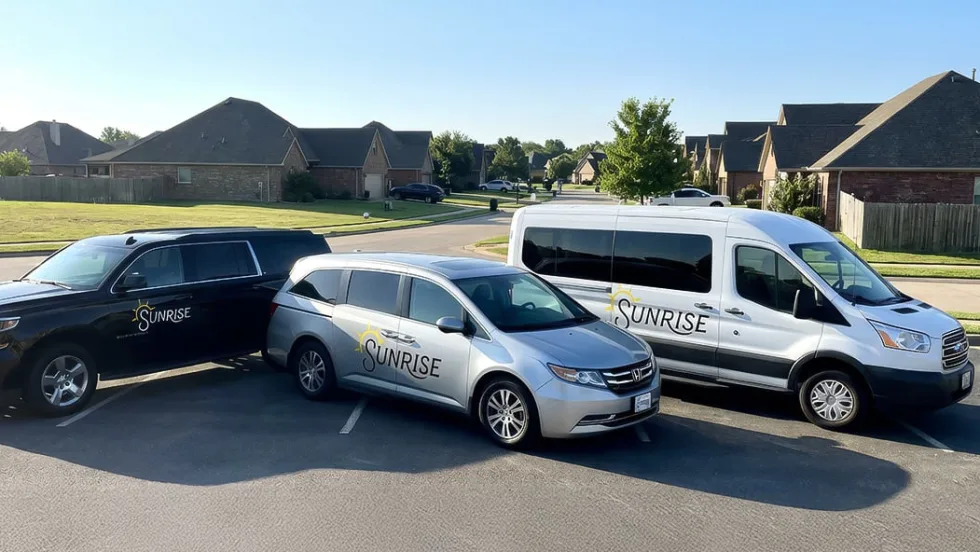
STA Acquires Sunrise Transportation
Student Transportation of America expands in Illinois and Connecticut through Sunrise's fleet of nearly 1,000 vehicles.
Read More →