




Allison's New Fuel Economy Technology Offered on Blue Bird Buses
The school bus manufacturer is now offering Allison Transmission's FuelSense 2.0 for new buses with Allison transmissions ordered on or after May 1.


Blue Bird is offering Allison Transmission's FuelSense 2.0 for new buses with Allison transmissions ordered on or after May 1.

Blue Bird is offering Allison Transmission's FuelSense 2.0 for new buses with Allison transmissions ordered on or after May 1.
FORT VALLEY, Ga. — Blue Bird Corp. is now offering an upgraded version of fuel economy software for its new buses that are equipped with Allison transmissions.
Blue Bird Corp. is offering Allison Transmission's FuelSense 2.0, featuring DynActive Shifting, for new buses ordered on or after May 1. This is a software update to Allison’s previous FuelSense offering, which is designed to help fleets optimize fuel economy and performance to their specific needs.
“We are excited to see Allison’s response to our customers’ needs by offering them ways to help increase fuel economy,” said Mark Terry, chief commercial officer at Blue Bird Corp. “We look forward to seeing the savings districts experience with this calibration offering.”
FuelSense 2.0 has packages tailored to different driving conditions that Blue Bird school buses undergo each day. The new FuelSense 2.0 technology uses DynActive Shifting to provide a variable combination of shift points, and uses a learning algorithm to continuously find the ideal balance of fuel economy and performance, according to Allison. The technology was created to provide maximum value for applications with heavy start-stop needs, such as school buses.
“We have tested FuelSense 2.0 with customers in a variety of duty cycles, accumulating more than 3 million miles,” said Randy Kirk, senior vice president of product engineering and product teams at Allison. “There were fuel economy gains of up to 6 percent. This improvement resulted in a potential vehicle savings of $300 to $900 annually based on the application, annual mileage, and fuel price.”
There are three available packages — FuelSense 2.0, FuelSense 2.0 Plus, and FuelSense 2.0 Max — which all include DynActive Shifting. FuelSense 2.0 Plus and Max include the enhanced feature Neutral at Stop, and FuelSense 2.0 Max includes the enhanced feature Acceleration Rate Management.
The improved Neutral at Stop feature is designed to lower fuel consumption and emissions by reducing or eliminating the load on the engine when the vehicle is stopped. Two versions are available: Standard, which provides partial (first-level) Neutral at Stop, and Premium, which provides full Neutral at Stop and a new, low-speed coasting capability. Both versions feature a locked output at stop to prevent rollback.
The enhanced Acceleration Rate Management feature mitigates aggressive driving by automatically controlling engine torque. Newly updated, in addition to five levels of control currently available, it provides more precision by limiting vehicle acceleration to a customized rate.
“Allison is constantly working towards improved fuel economy, and this latest technology further reduces fuel consumption in all segments of a bus’ duty cycle,” said Heidi Schutte, Allison Transmission's vice president of marketing and sales for the Americas. “FuelSense 2.0 offers increased specification flexibility and delivers the best economic value to our customers.”
To learn more about FuelSense 2.0, visit allisontransmission.com/fuelsense.
More Maintenance
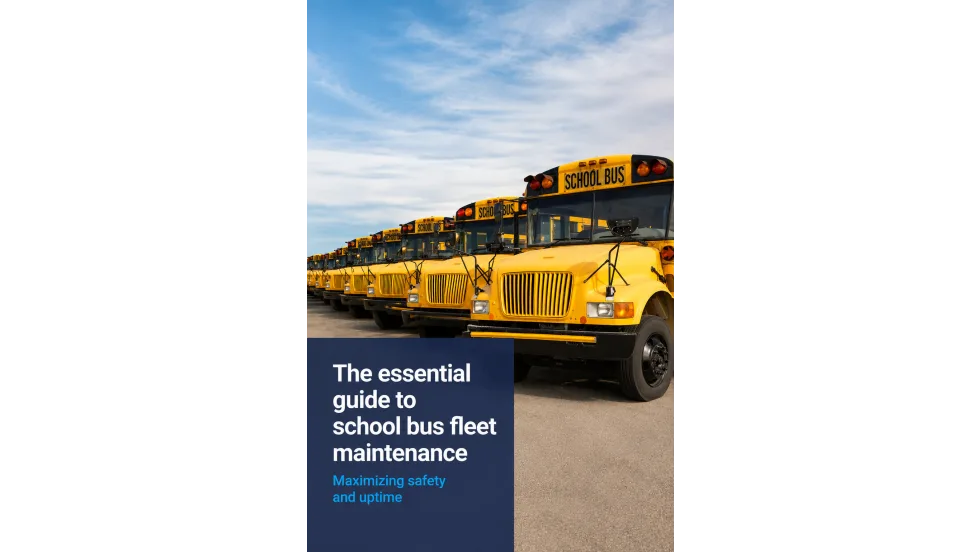
The Essential Guide to School Bus Maintenance and Student Safety
Your district's buses carry students to school every day. This guide shows how predictive maintenance powered by fleet data helps keep buses reliable, drivers accountable and students safer from the first bell to the last stop.
Read More →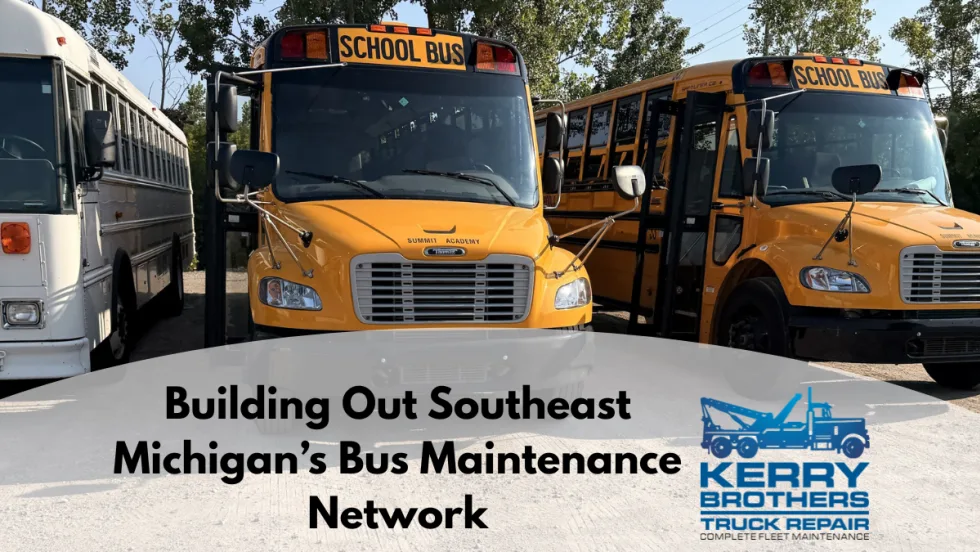
Kerry Brothers Grows Michigan School Bus Repair Network
The acquisition of Downriver Truck and Bus expands Kerry Brothers’ school bus maintenance footprint across southeast Michigan, adding repair capacity, diagnostic resources, and state inspection support.
Read More →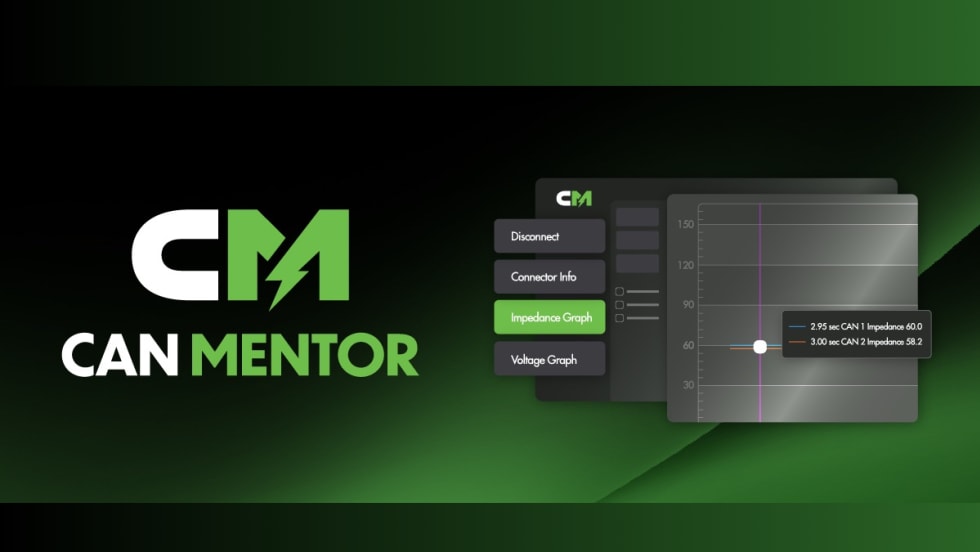
Noregon Introduces CAN Bus Diagnostic Tool, Expands JPRO Features
CAN Mentor and the latest JPRO update aim to simplify vehicle network diagnostics and improve repair efficiency for technicians of all experience levels.
Read More →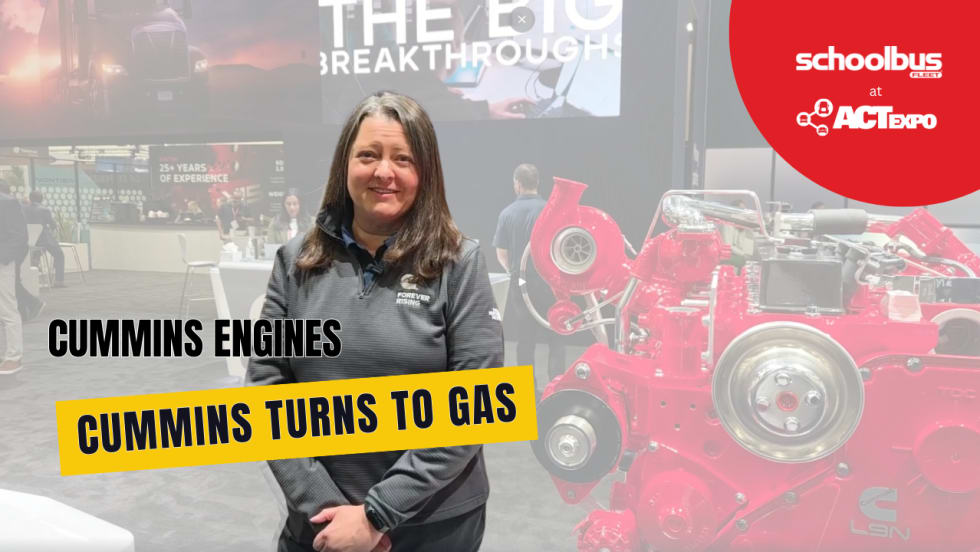
Cummins on Smarter, Simpler Engine Innovation
Cummins discusses its first-ever gasoline engine for school buses, EPA 2027, and why bus fleets still want durable, simpler internal combustion options.
Read More →
Report: 72% of Diesel School Buses Now Use Advanced Low-Emission Engines
New data shows advanced low-emission diesel technology continues expanding across school bus fleets, even as electric bus adoption gains momentum.
Read More →
Vampire Tools' CAIMAN 7.5-Inch Multi-Purpose Screw Extractor Long-Nose Pliers with Crimper
Vampire Tools introduced the VAMPLIERS Caiman 7.5-inch multi-purpose pliers, combining screw extraction, cutting, crimping, and gripping functions into a single tool designed for fleet maintenance professionals.
Read More →
How Advanced Diagnostics Helps Bus Fleets Stay Ahead of Repairs
Chat with Noregon’s Kevin Smallhorn at ACT Expo about bus diagnostic tools, telematics integration, CNG maintenance support, and strategies to help reduce downtime and improve uptime.
Read More →
How School Bus Fleets are Getting Ahead of Breakdowns
Don’t let bus downtime wear you down. Here’s how bus operators are shifting from manual processes to AI-powered, data-driven maintenance systems for improved reliability and safety.
Read More →
Pennsylvania School Bus Maintenance Team Praised for Dedication to Safety
Matthews Bus Company’s West Jefferson received a letter of commendation from the Pennsylvania State Police for their fleet inspections.
Read More →
From Chaos to Clarity: How School Districts Are Running Leaner Transportation Operations
Covering 38 routes on a Friday afternoon. Buses idling while routes overlap. Parents calling nonstop about late arrivals. Sound familiar? This whitepaper explores how district transportation leaders solved these exact problems — and what measurable results followed.
Read More →